
DbcultAccessing Vault...
Director's Spotlight
Senior Film Conservator
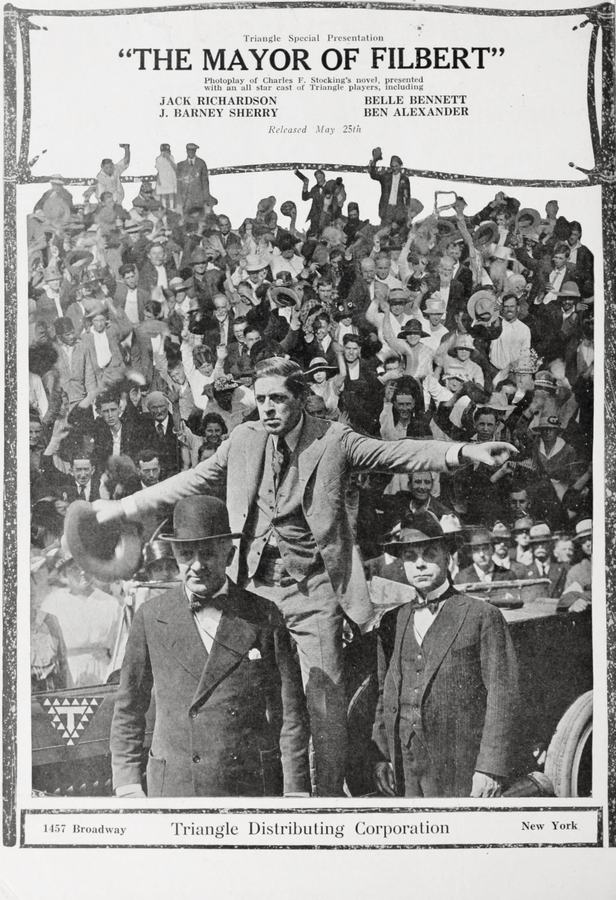
Director's Spotlight: United States
A Deep Dive into the 1919 Vision of Christy Cabanne
In the grand tapestry of cult cinema, The Mayor of Filbert serves as a bridge between the bold experimentation that has become synonymous with Christy Cabanne. Breaking the traditional rules of cult engagement, it highlights the importance of independent voices in United States.
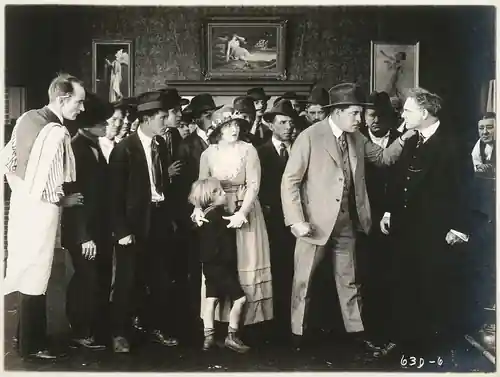
In The Mayor of Filbert, Christy Cabanne pushes the boundaries of conventional narrative. The film's unique approach to its subject matter has sparked endless debates and interpretations among cinephiles and critics alike.
| Cinematography | Static |
| Soundtrack | Orchestral |
| Editing | Slow-Burn |
| Art Direction | Brutalist |
Visualizing the convergence of Christy Cabanne's style and the core cult narrative.
The mayor of Filbert, Ohio--a saloonkeeper named Schmidt--is a crook and a grafter. The local Civic Reform Society and the Prohibition Party ask him to a conference, but during it he slips and hits his head on a heater, knocking himself out. They think he's dead, and when they find a drifter who looks just like the crooked Filbert, they get him to assume the man's identity. As it turns out, the real Mayor Schmidt isn't dead. Complications ensue.
Decades after its release, The Mayor of Filbert remains a vital piece of the cinematic puzzle. Its influence can be seen in countless modern works, solidifying Christy Cabanne's status as a master of the craft in United States and beyond.