
DbcultAccessing Vault...
Director's Spotlight
Senior Film Conservator
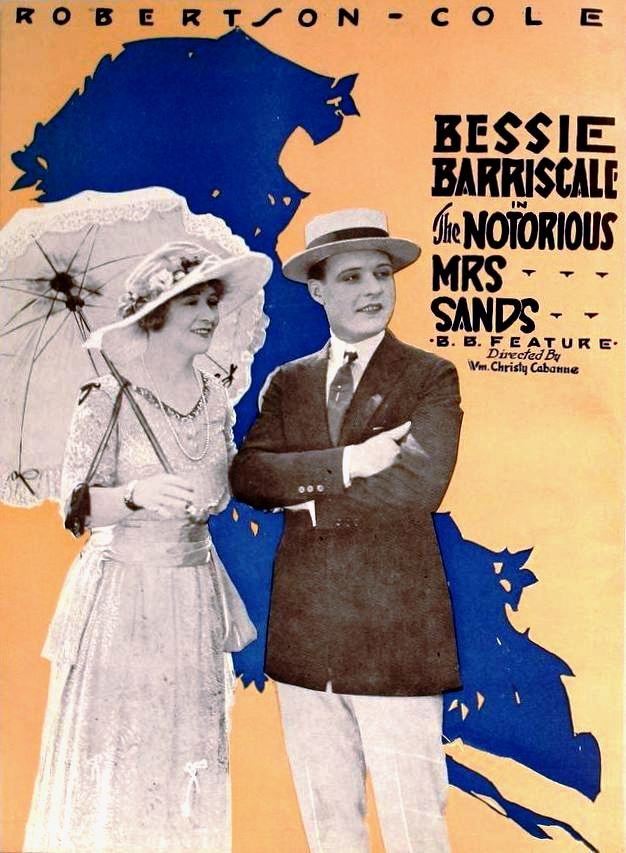
Director's Spotlight: United States
A Deep Dive into the 1920 Vision of Christy Cabanne
Analyzing The Notorious Mrs. Sands (1920) requires a deep dive into the defining moment in Drama history that Christy Cabanne helped create. Defining a new era of United States artistic expression, it transcends regional boundaries to tell a universal story.
In The Notorious Mrs. Sands, Christy Cabanne pushes the boundaries of conventional narrative. The film's unique approach to its subject matter has sparked endless debates and interpretations among cinephiles and critics alike.
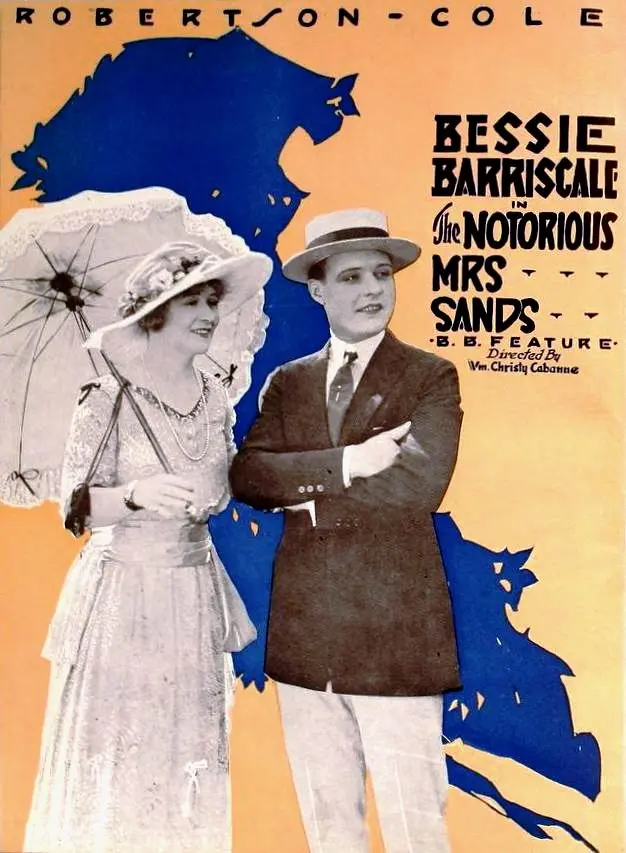
The visual language of The Notorious Mrs. Sands is defined by its use of shadows and framing, a hallmark of Christy Cabanne's style. By utilizing a 1920-era palette, the film creates an immersive experience that perfectly complements its Drama themes.
| Cinematography | Deep Focus |
| Soundtrack | Orchestral |
| Editing | Invisible |
| Art Direction | Kitsch |
Visualizing the convergence of Christy Cabanne's style and the core Drama narrative.
Member of a socially prominent but impoverished family, Mary Ware, is in love with the equally poor Ronald Cliffe, but Mary's mother convinces her to save the family from debt by marrying the wealthy Grey Sands. Ronald is sent to work in the oil fields out West, and Mary, married to a man she doesn't love, is cold to her husband, who then vows revenge. Soon, Ronald returns from the oil fields and when Grey's attempts to choke his wife into submission fail, he decides to frame her sweetheart for robbery. Ronald is arrested and brought to trial for the crime, but is acquitted by Mary's alibi that he had spent the night of the crime with her. Ronald is freed and leaves to seek his fortune, while Mary, whose reputation has been ruined by her testimony, becomes a social outcast. Despairing after losing her job, Mary is at a low point in her life when Ronald returns and the lovers are finally united.
Decades after its release, The Notorious Mrs. Sands remains a vital piece of the cinematic puzzle. Its influence can be seen in countless modern works, solidifying Christy Cabanne's status as a master of the craft in United States and beyond.