
DbcultAccessing Vault...
Director's Spotlight
Senior Film Conservator
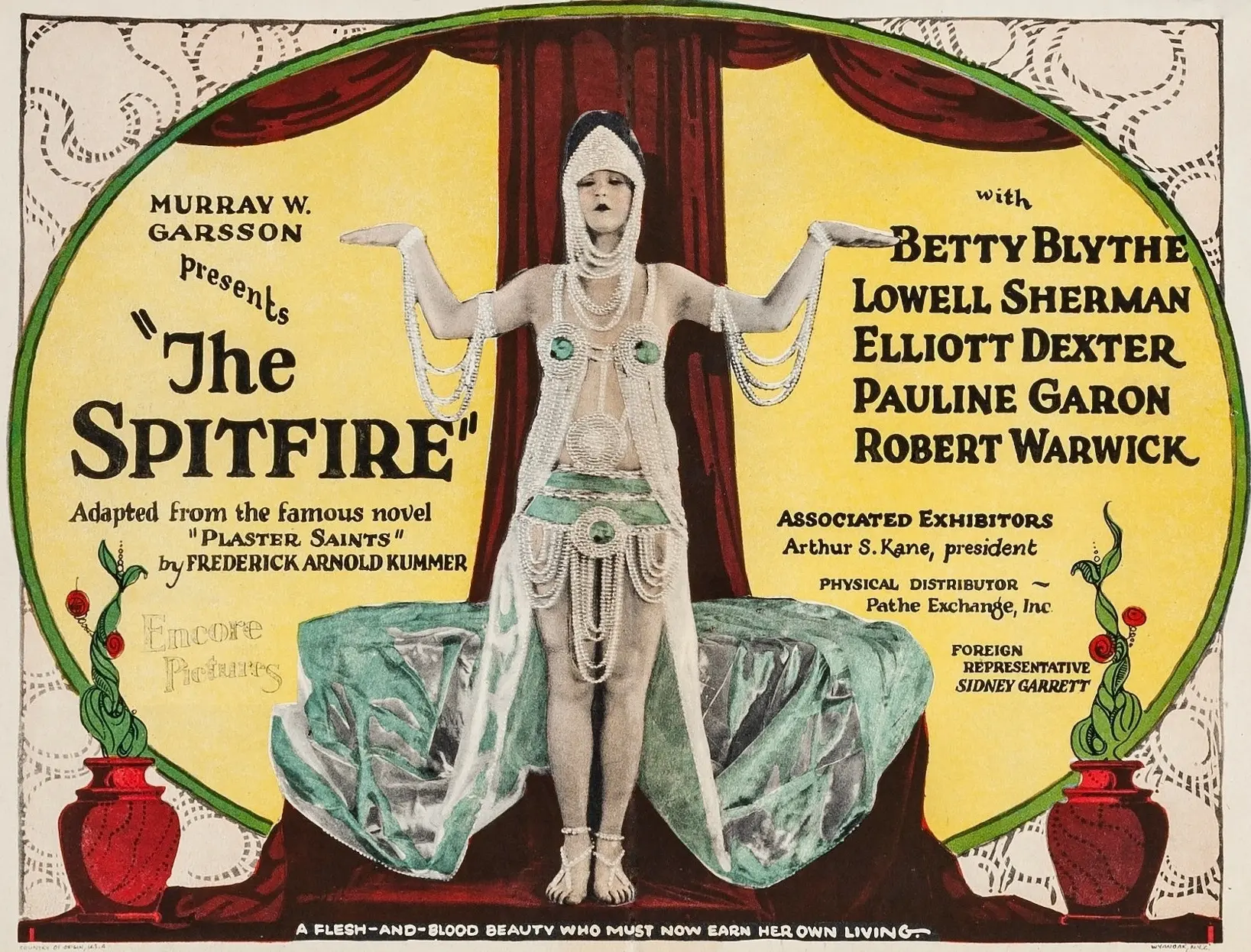
Director's Spotlight: United States
A Deep Dive into the 1924 Vision of Christy Cabanne
Analyzing The Spitfire (1924) requires a deep dive into the defining moment in Drama history that Christy Cabanne helped create. Defining a new era of United States artistic expression, it transcends regional boundaries to tell a universal story.
In The Spitfire, Christy Cabanne pushes the boundaries of conventional narrative. The film's unique approach to its subject matter has sparked endless debates and interpretations among cinephiles and critics alike.
| Cinematography | Noir-Inspired |
| Soundtrack | Minimalist |
| Editing | Disjunctive |
| Art Direction | Baroque |
Visualizing the convergence of Christy Cabanne's style and the core Drama narrative.
Following a scandalous poker party, Douglas Kenyon acts as escort to Marcia Walsh, a showgirl whom he "wins" in a game. When it is discovered that she has spent the night in his apartment, though innocently, he is discharged from the bank where he works. He then is separated from his sweetheart, Jean Bronson, who becomes an actress when he plans to prosecute her grandfather. After many complications, including the heroine's rescue from an unscrupulous theatrical producer, the lovers are reunited.
Decades after its release, The Spitfire remains a vital piece of the cinematic puzzle. Its influence can be seen in countless modern works, solidifying Christy Cabanne's status as a master of the craft in United States and beyond.