
Cult Cinema
Cinema's Secret Language: Decoding the Enduring Power of Films That Speak to the Soul

“Cult cinema operates on a frequency often unheard by the mainstream, a secret language spoken between maverick filmmakers and devoted audiences. This article delves into the enduring mystique of these unconventional films, exploring what transforms an overlooked curiosity into an object of profound,…”
In the vast, ever-expanding universe of cinema, some films shine brightly under the marquee lights, celebrated by critics and embraced by millions. Yet, there exists a parallel galaxy, a cinematic underground where different stars burn with an intense, captivating glow. These are the cult films – works often misunderstood, ignored, or even reviled upon their initial release, only to be resurrected, cherished, and endlessly dissected by a passionate, almost evangelical following. What is this enduring allure? What secret language do these films speak that resonates so deeply with their chosen few, transforming mere viewers into ardent disciples? It's a phenomenon that transcends genre, budget, and critical consensus, pointing to a profound connection forged in the shadows of the mainstream.

What Defines a Cult Film? Beyond Box Office Numbers
Defining a cult film isn't as straightforward as one might think. It's not simply a commercial failure, nor is it exclusively a genre piece. While many cult films do start as box office disappointments, their cult status is earned through a complex interplay of factors that have little to do with opening weekend grosses. At its core, a cult film is a cinematic work that garners a small, dedicated, and often obsessive following. This audience doesn't just watch the film; they internalize it, celebrate it, and often participate in its ongoing narrative through repeated viewings, fan theories, and communal rituals.

These maverick films often possess a unique vision, an idiosyncratic style, or a narrative that defies conventional storytelling. They might be transgressive, pushing societal boundaries and exploring taboo subjects that mainstream cinema shies away from. They might be experimental, playing with form and structure in ways that challenge audience expectations. Or, they might simply be so utterly singular that they refuse easy categorization, becoming cinematic anomalies that demand a different kind of appreciation. The journey from obscurity to obsession is rarely linear, often involving a slow burn of word-of-mouth, midnight screenings, and a gradual realization by a discerning few that they've stumbled upon something truly special.

The Genesis of Obsession: Early Cinematic Seeds
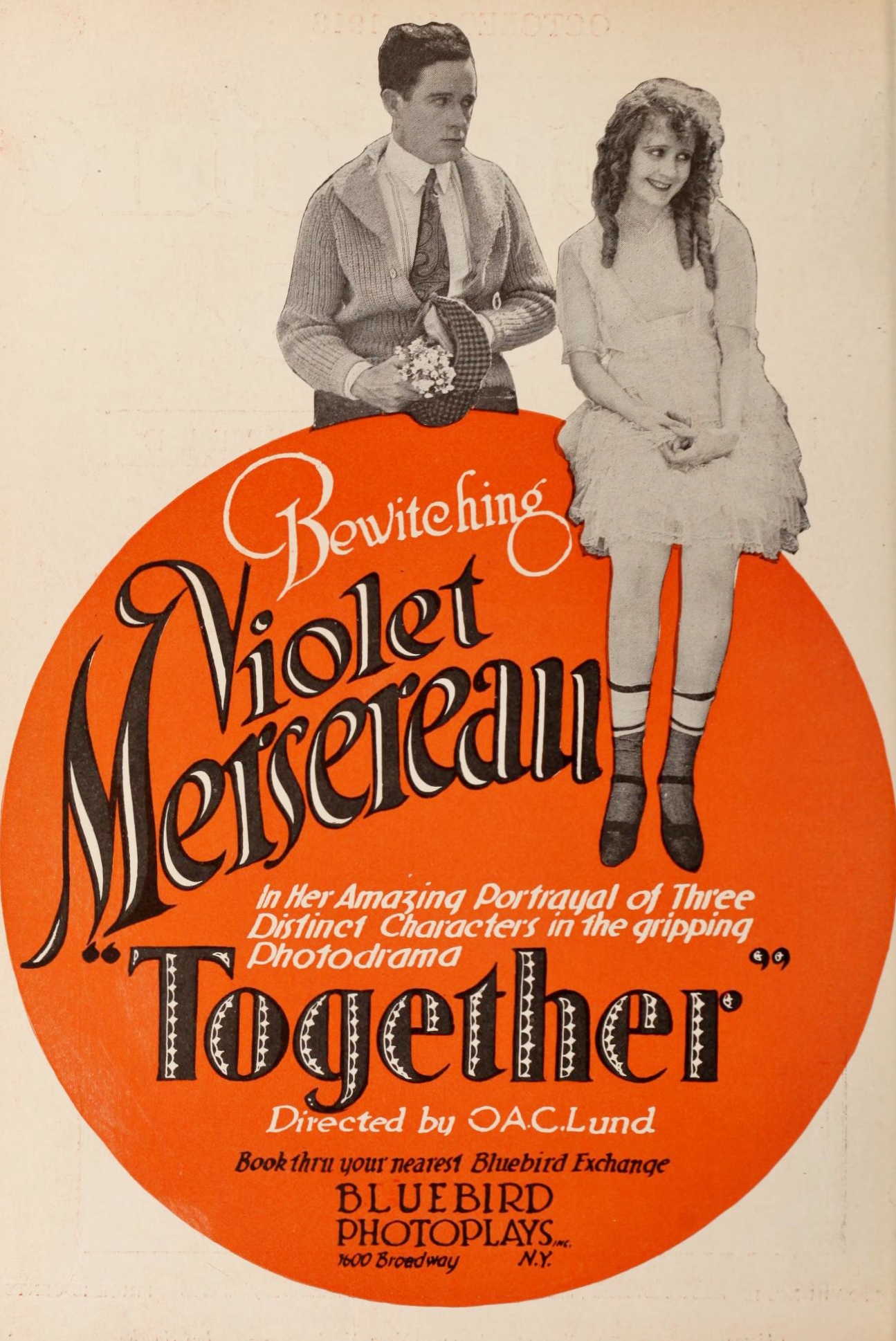
While the term 'cult film' gained prominence in the latter half of the 20th century, the seeds of this phenomenon were sown much earlier, even in the nascent days of cinema. From the silent era through the Golden Age, certain films, by their very nature, were destined to appeal to niche audiences, sparking early forms of fervent devotion. These were often narratives that, perhaps inadvertently, spoke a secret language to segments of the audience looking for something beyond the typical fare.

Social Commentary and Rebellion
Even in an era of strict censorship and nascent storytelling, some films dared to explore themes of social injustice, class struggle, or personal rebellion against societal norms. Dramas depicting the harsh realities of industrial life, the plight of the working class, or the moral dilemmas faced by individuals caught in unforgiving circumstances, could resonate deeply with viewers seeking reflections of their own struggles. These unconventional narratives, perhaps veiled in melodrama, offered a critique that mainstream audiences might have overlooked, but which a more attuned viewership would embrace as profound. A film exploring the severe consequences of social expectations on women, or the systemic injustices faced by the impoverished, could become an unlikely touchstone for those feeling marginalized.

Genre Innovation and Subversion
Early cinema, though often formulaic, also saw flashes of genre mutation. Westerns, for instance, might have introduced morally ambiguous heroes or complex villains, challenging the clear-cut good-versus-evil paradigms. Comedies, instead of simple slapstick, sometimes ventured into the absurd or featured characters whose eccentricities bordered on the surreal, delighting those with a taste for the bizarre. Even early adventure stories, while ostensibly thrillers, might have contained philosophical undertones or visual flourishes that elevated them beyond mere escapism. These subtle subversions laid the groundwork for future cult classics, demonstrating that deviation from the norm could create a powerful, albeit niche, appeal.

Melodrama and Emotional Intensity
Melodrama, a staple of early film, often pushed emotional boundaries, depicting heightened passions, tragic romances, and operatic conflicts. Films centered on forbidden love, scandalous affairs, or characters making profound sacrifices for their convictions could evoke an intense emotional response. While some might dismiss these as overwrought, for a segment of the audience, the sheer emotionality and dramatic stakes were intoxicating. These films, often grand in scope or deeply personal in their focus on human frailty, offered a catharsis and a unique vision of the human condition that transcended their perceived limitations, fostering a loyal following.

Mystery and The Unexplained
The nascent mystery and suspense genres also contributed to the cult canon. Films featuring intricate plots, enigmatic characters, or supernatural elements invited viewers to engage actively, piecing together clues and debating interpretations. A story about a disappearing person, a complex web of deceit, or a sinister plot unfolding in the shadows could become a subject of intense discussion and repeated viewing, as audiences sought to unlock its secrets. This interactive quality, inherent in puzzling narratives, fostered a sense of shared discovery and intellectual engagement, precursors to modern cult fandoms.
The Pillars of Cult Fandom: Why We Keep Coming Back
The continued fascination with cult cinema isn't accidental; it's built upon several foundational pillars that foster a profound and lasting connection between film and viewer.

Community and Identity
Perhaps the most potent aspect of cult cinema is its ability to forge unbreakable bonds among its fans. Discovering a cult film often feels like finding a secret club, a shared understanding with others who 'get it.' This sense of belonging is paramount. Whether through midnight screenings where audiences dress up and recite lines, or online forums dissecting every frame, the communal experience transforms passive viewing into an active, participatory ritual. For many, these films become a part of their identity, a badge of honor that sets them apart from the mainstream.

Rebellion Against the Mainstream
Cult films often represent a deliberate rejection of popular taste and commercialism. They are the antithesis of the blockbuster, the antidote to the predictable. Embracing a cult film is, in a way, an act of rebellion, a statement that one values artistic integrity, transgressive themes, or sheer weirdness over mass appeal. This counter-cultural stance appeals to those who feel alienated by mainstream media, offering a cinematic sanctuary where unconventional ideas and narratives are not only tolerated but celebrated.
Artistic Merit and Vision
While some cult films are celebrated for their 'so bad it's good' quality, many are genuine artistic achievements, ahead of their time or simply too idiosyncratic for broader acceptance. Directors with distinctive directorial voices, who refuse to compromise their vision, often find their work eventually embraced by a cult following. These films challenge cinematic conventions, pushing boundaries in storytelling, visual style, or thematic depth, rewarding those patient enough to delve into their complexities. The initial critical dismissal often gives way to a profound reappraisal, as the true genius of these unorthodox gems is slowly recognized.
Emotional Resonance and Catharsis
Beyond intellectual appreciation, cult films often tap into deep emotional reservoirs. They might explore anxieties, fears, or desires that are rarely acknowledged in more conventional cinema. Whether it's the raw emotion of a historical epic, the unsettling dread of a psychological mystery, or the liberating absurdity of a surreal comedy, these films create powerful, lasting emotional impacts. They offer a form of catharsis, allowing viewers to confront uncomfortable truths or revel in extreme feelings, creating a bond that goes beyond mere entertainment.
The Evolution of the Cult Phenomenon
The landscape of cult cinema has shifted dramatically over the decades. What began with niche screenings in repertory theaters and university campuses, particularly the famed 'midnight movies' of the 1970s, has expanded exponentially with the advent of home video, DVD, and now, streaming platforms. The ability to pause, rewind, and re-watch at will has amplified the analytical aspect of cult fandom, allowing for deeper dissection of intricate plots, symbolic imagery, and stylistic nuances.
The internet, in particular, has been a game-changer. Online communities, forums, and social media platforms provide unprecedented avenues for fans to connect, share theories, create fan art, and debate interpretations. This digital ecosystem has democratized the process of cult formation, allowing films to find their devoted disciples faster and more widely than ever before. A film that might have languished in obscurity for decades can now be rediscovered and championed by a global audience almost overnight.
Crafting the Cult: Unintentional Masterpieces and Deliberate Visions
It's fascinating to consider how films achieve cult status. Sometimes, it's entirely accidental. A director sets out to make a straightforward genre film – perhaps a Western with a strong hero, a romantic comedy with a quirky premise, or a drama about societal expectations – only for it to be met with indifference or outright scorn. Yet, years later, a new generation finds something profound, funny, or unsettling in its perceived flaws, transforming it into an unintentional masterpiece. The very elements that led to its initial failure – its strange pacing, its bizarre dialogue, its unconventional characters – become the hallmarks of its cult appeal.
Conversely, some filmmakers deliberately aim for the fringes, crafting works designed to provoke, challenge, or simply exist outside the commercial mainstream. These maverick visions, often steeped in surrealism, extreme violence, or profound philosophical questions, are made with the understanding that they won't appeal to everyone. Yet, it's precisely this uncompromising stance that attracts a dedicated audience, eager to engage with cinema that dares to be different. Whether accidental or intentional, the journey to cult status is always a testament to a film's inherent power to resonate beyond its initial reception.
The Enduring Legacy: Why Cult Cinema Matters
The importance of cult cinema extends far beyond the confines of its dedicated fanbases. These films serve as a vital counterpoint to the commercial dictates of Hollywood, reminding us that there's a rich tapestry of storytelling possibilities beyond the multiplex. They often push the boundaries of what is acceptable or imaginable on screen, influencing future generations of filmmakers who draw inspiration from their audacity and originality.
Cult films are also essential for film preservation and critical re-evaluation. They force us to reconsider our initial judgments, to look beyond surface-level flaws and appreciate the deeper artistic intentions or unintended brilliance. They remind us that cinematic history is not just a parade of blockbusters and Oscar winners, but a sprawling, diverse landscape filled with hidden gems waiting to be discovered. From early dramas exploring societal pressures to genre films that twisted expectations, these unconventional treasures continue to enrich our understanding of what cinema can be.
In a world increasingly dominated by algorithms and homogenized entertainment, the search for cult films remains a deeply personal and rewarding quest. It's a journey into the heart of cinema's rebel spirit, a testament to the enduring power of unique visions, and a celebration of the communities forged around shared artistic passion. The secret language of cult cinema continues to whisper, inviting new generations to listen, interpret, and ultimately, fall under its irresistible, enduring spell.
Community
Comments
Log in to comment.
Loading comments…