
Deep Dive
The Petroleum Purgatory: How Silent Cinema’s Mechanical Obsessions Scripted the Modern Cult of the Survivalist Machine
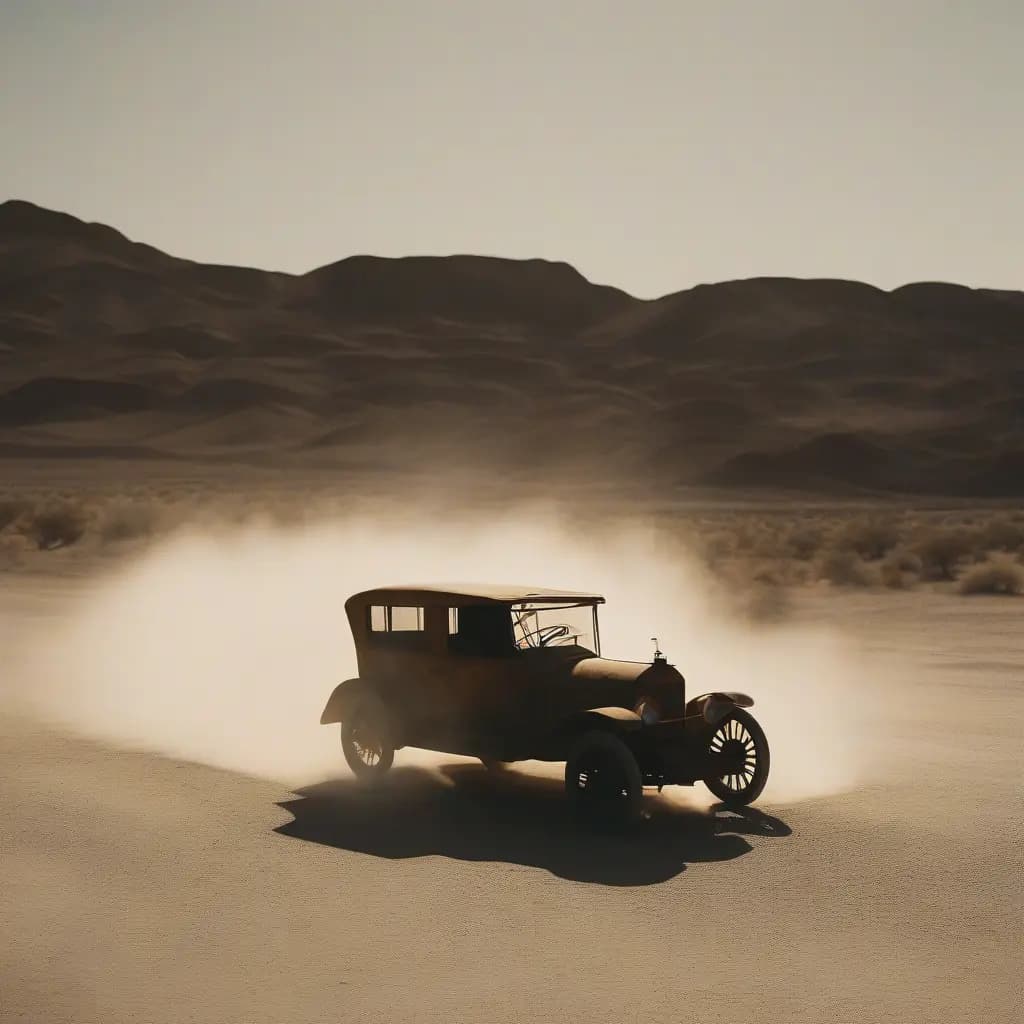
“Explore how the transition from horse to engine in the 1920s birthed a transgressive subgenre of mechanical survivalism that still fuels modern cult cinema.”
There is a specific, sulfurous scent that clings to the history of the early avant-garde—not the smell of rotting nitrate, but the phantom odor of gasoline and scorched rubber. While film historians often obsess over the 'ghostly' nature of the silent screen, they frequently overlook the clattering, oily reality of its machines. Long before George Miller sent a V8 Interceptor screaming across the Australian wasteland, a handful of silent era mavericks were already forging a new theology. They were the architects of the Petroleum Purgatory: a cinematic space where the machine was no longer a tool of progress, but a volatile, almost sentient partner in survival.

To understand the modern survivalist cult film, we must go back to the moment the horse was put out to pasture and the engine was invited into the frame as a primary protagonist. This wasn't just technological documentation; it was a psychological shift. In the early 20th century, the machine represented a terrifying duality—it was the only thing that could save you, and the very thing most likely to kill you. This tension is the bedrock of cult cinema, from the gadget-obsessed paranoia of the 1970s to the 'car-fu' of the modern era.
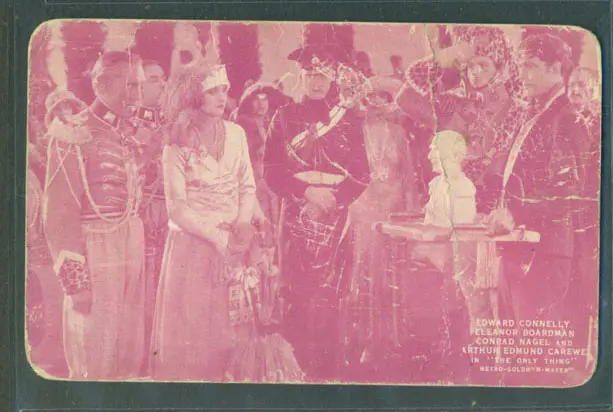
The Maxwell as Messiah: Nell Shipman and the Birth of the Car Cult
If we are looking for the true genesis of the mechanical survivalist cult, we find it in the rugged, dust-choked frames of Something New (1920). While Hollywood was busy polishing its drawing-room melodramas, Nell Shipman was out in the Mexican desert, proving that a woman and a 1919 Maxwell car could conquer terrain that would break a stallion's legs. This film is a seminal text in the cult of the machine. Shipman’s character is kidnapped by bandits and taken to a remote hideout, but the 'rescue' isn't a knight on horseback. It is Bill and his Maxwell.

The car in Something New is filmed with a fetishistic intensity. It leaps over boulders, fords rivers, and grinds through sand with a visceral, mechanical labor that feels shockingly modern. Shipman wasn't just using the car for transport; she was elevating it to the status of a co-star. This is the same DNA found in films like Vanishing Point or Duel. The machine is a vessel for the individual's will, a metal skin that allows the protagonist to transcend the limitations of the natural world. When we watch that Maxwell endure the impossible, we are witnessing the birth of the 'survivalist machine' trope—the idea that in a lawless landscape, your soul is only as good as your engine.
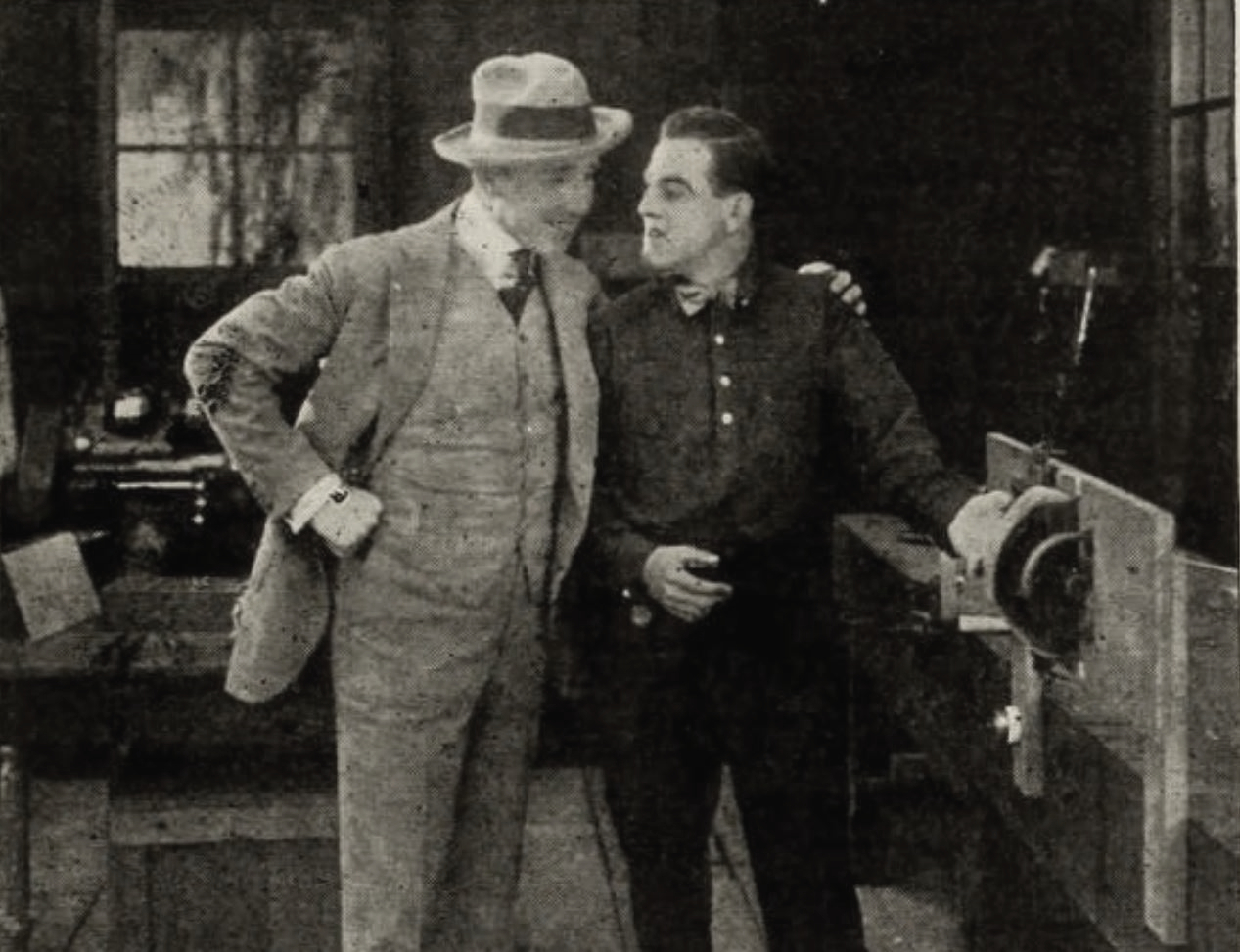
The silence of the era only amplified the perceived roar of the engine. In the absence of synchronized sound, the visual strain of the chassis and the vibration of the mudguards became a symphony of mechanical desperation.
The Steamboat and the Frozen Void: North of Hudson Bay
While Shipman was conquering the desert, John Ford and Tom Mix were exploring the mechanical intrusion of the Arctic in North of Hudson Bay (1923). Here, the steamboat serves as the fragile umbilical cord between civilization and the lethal, frozen periphery. The film centers on Mike Dane’s journey to avenge his brother, but the true tension lies in the contrast between the chugging, rhythmic industrialism of the boat and the silent, indifferent vastness of the Canadian trading posts.

In cult cinema, the 'transportation hub' often acts as a liminal space—a purgatory where the rules of the city no longer apply, but the rules of the wild haven't yet taken hold. North of Hudson Bay uses the steamboat as a floating fortress of mechanical hubris. When the machinery fails or the boat reaches its limit, the protagonist is left naked against the elements. This 'failure of the machine' is a recurring nightmare in the survivalist subgenre. It’s the broken radio in The Thing; it’s the empty gas tank in The Texas Chain Saw Massacre. The silent era understood that the more we rely on the machine, the more terrifying our eventual isolation becomes.

The Malfunctioning God: Paranoia and the Industrial Grotesque
Not all mechanical cults are about grand adventures; some are about the claustrophobia of the everyday. In the short film The Show (1927), we see the flip side of the mechanical coin. The protagonist is a harried propman dealing with malfunctioning wind machines and roosters that spit nitroglycerine. While played for laughs, there is a dark, surrealist undercurrent here that anticipates the 'industrial horror' of David Lynch or the 'body-horror-meets-machine' aesthetic of Shinya Tsukamoto’s Tetsuo: The Iron Man.
The 'nitroglycerine rooster' is a perfect metaphor for the silent era’s anxiety toward the volatile nature of modern life. In the 1920s, technology was exploding—literally and figuratively. Films like The Craving (1918), where a scholar seeks a powerful explosive formula, tapped into a deep-seated fear that our mechanical and chemical advancements were outstripping our moral capacity to control them. This is the 'Mad Scientist' trope stripped of its gothic trappings and rebranded as industrial espionage. The machine isn't just a car or a boat; it's the 'Formula,' the 'Device,' the 'Object' that everyone wants and no one can handle.
The Urban Machine as a Social Cage
For those trapped in the city, the machine was the city itself. In The Hoodlum (1919) and The Small Town Girl (1917), the urban environment is depicted as a grinding, impersonal apparatus. Mary Pickford’s turn in The Hoodlum sees a wealthy girl forced into the slums, where she must learn the 'mechanics' of survival among the alleyways. The city is a machine that processes people, turning the 'civilized' into 'hoodlums' and the 'innocent' into 'survivors.'
- The tenement as a broken engine: Squalid, vibrating with noise, and prone to 'flooding' (as seen in the literal and metaphorical dam-breaks of Floodgates).
- The newsboy as a cog: In Dinty (1920), the protagonist must navigate the 'machinery' of Chinatown drug smugglers to save his mother.
- The hypnotic control: The Stolen Voice (1915) suggests that even the human voice can be 'switched off' by the mechanical-like precision of hypnotism.
The Ritual of the Wrench: Why We Worship the Silent Motor
Why does this matter to the modern cult film enthusiast? Because we are currently living in a digital age that has lost the 'tactile' reality of the silent era. When we watch Something New, we aren't seeing CGI; we are seeing a real car, with real oil leaking onto real Mexican dirt, being driven by a real woman who was her own producer and stunt driver. That authenticity is the 'holy grail' of cult cinema. It’s why we still prefer the practical effects of Mad Max: Fury Road over the pixelated chaos of a standard Marvel outing.
The silent era’s mechanical survivalism was a ritual of the wrench. It taught us that to survive the wasteland—whether it's the Arctic, the desert, or the slums—you must understand the machine. You must be able to fix it, fuel it, and, if necessary, die within it. This is the 'Cult of the Machine' in its purest form. It’s not about the luxury of the automobile; it’s about the salvation of the engine.
The Legacy of the Petroleum Purgatory
As we look back through the fog of a century, the 'petroleum purgatory' of the 1920s feels more relevant than ever. We see its echoes in the 'newsreel' realism of Dziga Vertov’s Kino-Pravda series, which treated the camera itself as a revolutionary machine designed to 'fix' human perception. We see it in the frantic, mechanical comedy of The Show, which warned us that our gadgets might eventually turn on us.
Cult cinema thrives in the cracks of the mainstream, and the 'Mechanical Western' of the silent era was the ultimate crack in the system. It replaced the myth of the frontier with the reality of the radiator. It turned the car into a character and the engine into a god. So, the next time you find yourself mesmerized by a high-speed chase or a survivalist’s struggle against a malfunctioning computer, remember Nell Shipman and her Maxwell. Remember that before there was a 'wasteland,' there was a desert, a woman, and a 1919 engine that refused to quit. That is the true heart of the cult—the belief that even in the silence, the machine still speaks.
Community
Comments
Log in to comment.
Loading comments…