
DbcultAccessing Vault...
Film History
Senior Film Conservator

Forget the predictable roar of the midnight movie crowd, the costumed devotees, or the ritualistic call-and-response. While those are undeniably potent expressions of cult cinema, they represent only one facet of a phenomenon far older and infinitely more fragile. There exists another, more profound cult, one that thrives not on communal spectacle but on individual obsession, on the tantalizing whisper of what once was and what might still be. This is the cult of early cinema’s spectral remains, a devotion born from the very fragility of nitrate film, the relentless march of time, and the tantalizing, often maddening, incompleteness of its surviving artifacts. We are talking about the ghost in the machine, the phantom limb of film history that continues to haunt and captivate, demanding a unique kind of reverence from those dedicated enough to listen.
What makes a film a cult object? Often, it’s a confluence of transgressive themes, idiosyncratic aesthetics, and an initial rejection by mainstream audiences that, over time, fosters a fervent, protective following. But for early cinema, especially the silent era, the very definition of 'cult' takes on an almost existential dimension. Here, rarity isn't merely a characteristic; it's a sacrament. The sheer volume of films produced between cinema’s birth and the advent of sound is staggering, yet an estimated 75% to 90% of American silent films are lost forever, reduced to dust, ash, or the simple oblivion of time. This vast, silent necropolis creates an intrinsic allure for what remains. Each surviving reel, whether a pristine print or a decaying fragment, becomes a relic, imbued with a mystique that transcends its original artistic intent or commercial success.
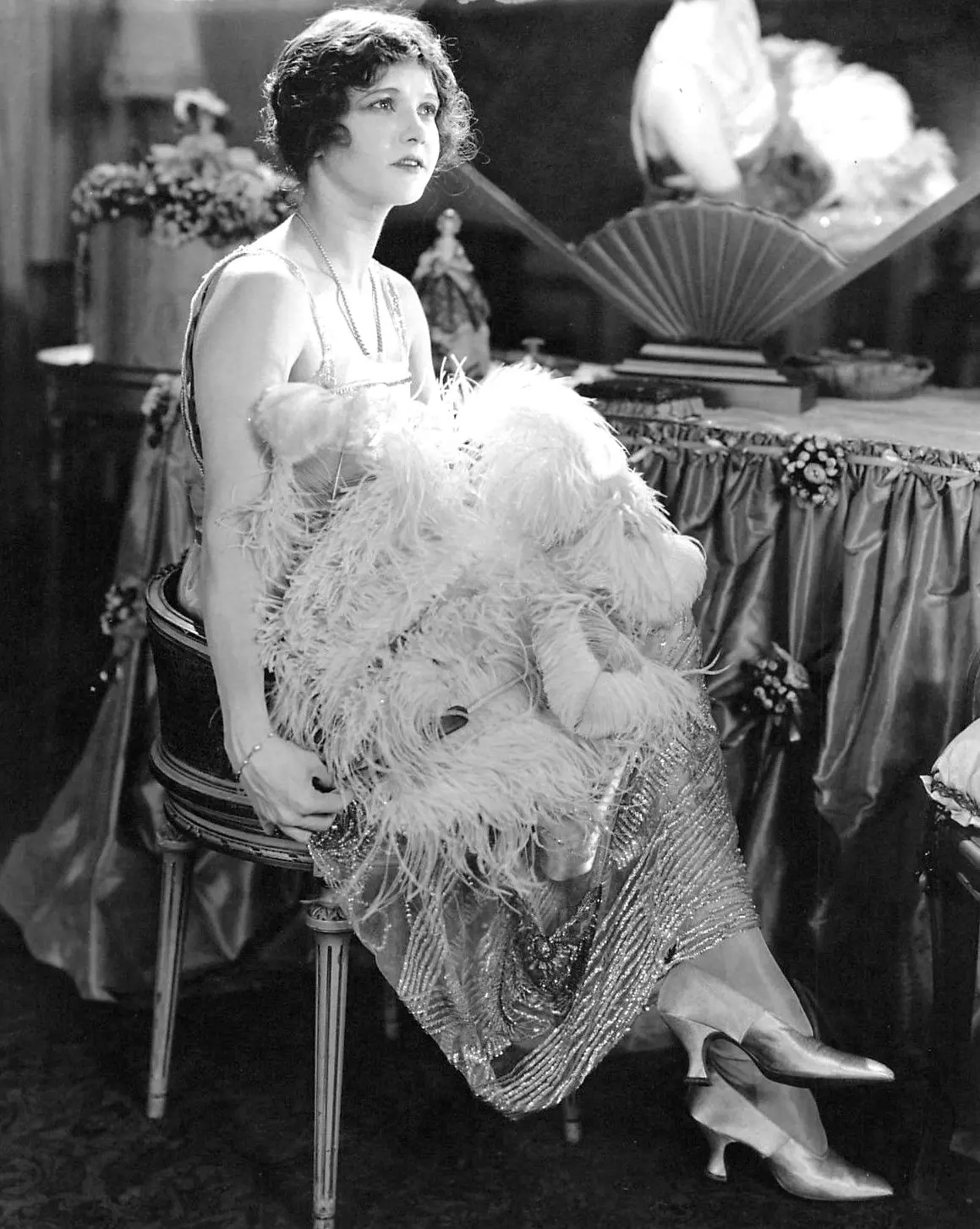
Consider the challenge: to engage with a film like The Mystery of the Black Pearl, where the very title hints at elusive treasures, or the evocative Adventures in the Far North. These aren't just titles; they are invitations to a cinematic séance. The difficulty of access, the painstaking efforts of archivists, and the sheer luck involved in their survival elevate these works beyond mere entertainment. They become objects of profound curiosity, their scarcity generating a devotion as intense as any midnight movie ritual. The act of watching a restored silent film, often accompanied by live music, is a pilgrimage, a collective act of remembrance for a medium that almost vanished. It’s a quiet, intellectual cult, but a cult nonetheless, driven by the profound appreciation for what has been rescued from the brink.
Perhaps nothing better exemplifies the unique 'cult' aspect of early cinema than its fragmented narratives. Many surviving silent films exist not as complete, pristine works, but as tantalizing, frustratingly incomplete puzzles. A reel might be missing, entire sequences lost to decomposition or careless handling. Yet, for the true devotee, this very incompleteness becomes a powerful catalyst for engagement. The audience is no longer a passive recipient; they become an active participant, compelled to fill in the blanks, to imagine the missing scenes, to extrapolate meaning from the surviving fragments. This demands a level of imaginative investment that few modern films, with their meticulously crafted, self-contained narratives, can hope to inspire.

The fragmented film is not a broken narrative; it is an invitation to co-create, to dream alongside the ghosts of its original creators. It’s a testament to cinema’s enduring power that even a sliver of a story can ignite such fervent intellectual and emotional response.
Consider a melodrama like The Price of Happiness or a social drama such as Fires of Rebellion. If these survive in truncated form, their themes of societal pressure, moral choices, and personal struggle become amplified by the very act of deciphering them. The audience becomes a cinematic archaeologist, piecing together clues, constructing possible endings, and debating interpretations with fellow enthusiasts. This shared intellectual labor, this collective act of imaginative reconstruction, forms the bedrock of a deeply engaged, scholarly cult. It’s a cult of textual analysis, of speculative history, and of profound respect for the ephemeral nature of art.
The true high priests and priestesses of this early cinema cult are the archivists and preservationists. These unsung heroes labor tirelessly in temperature-controlled vaults, battling the slow, inexorable decay of nitrate film, the very material upon which cinema was built. Nitrate, volatile and prone to self-combustion, is a beautiful but dangerous medium, and its inherent instability has claimed countless cinematic lives. Every surviving reel, every painstaking frame-by-frame restoration, is a victory against entropy.
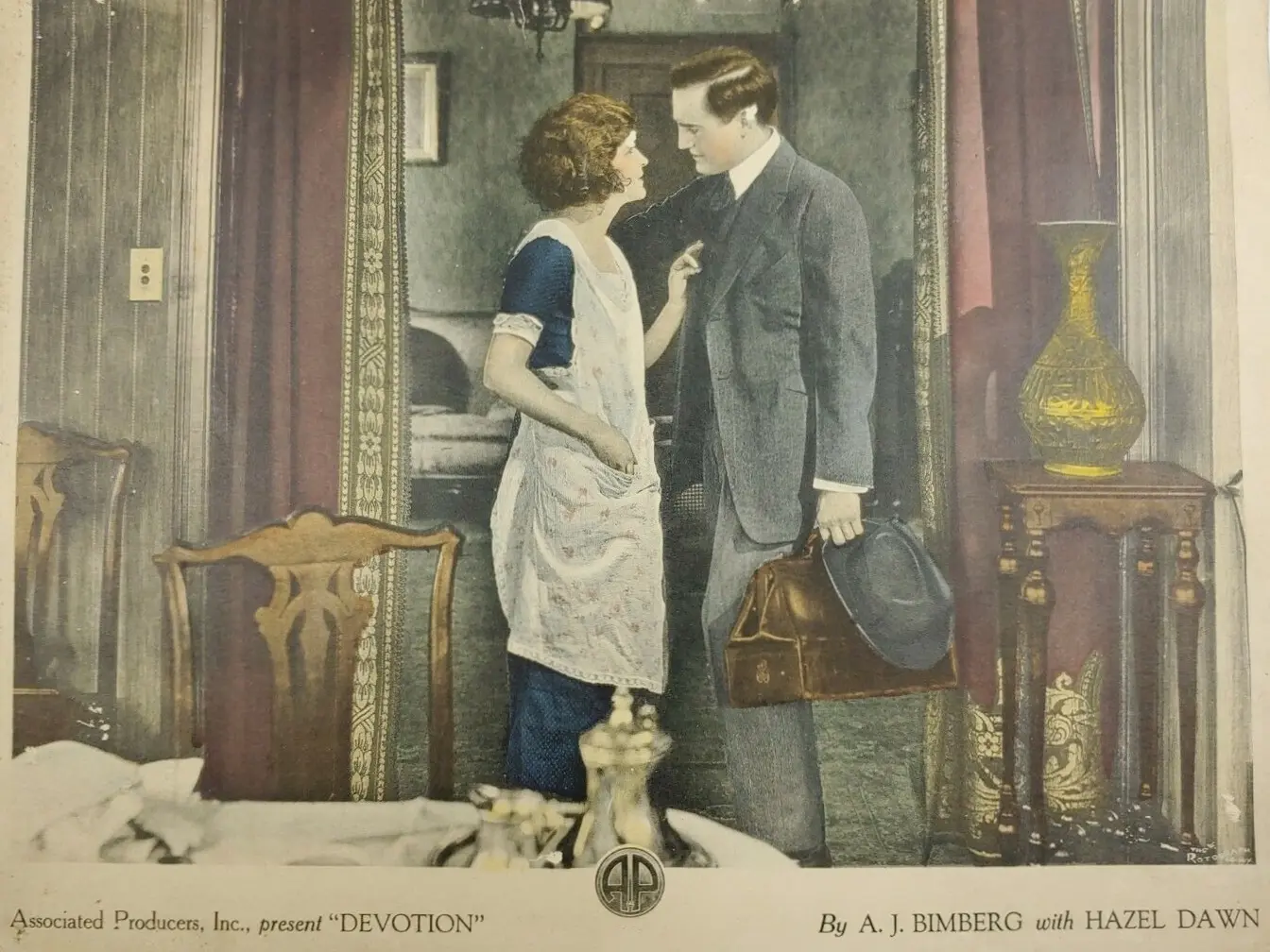
Their work transforms mundane historical artifacts into objects of fervent veneration. Without their dedication, films like the delightful animated short Felix Tries for Treasure or the everyday observational piece The Porters would be nothing more than entries in a dusty catalog. Instead, they are resurrected, offering glimpses into the past that are both alien and strangely familiar. The stories of film recovery – a print found in a remote barn, a forgotten canister in a foreign archive – are the sagas of this cult, tales of miraculous discovery that fuel the collective imagination. Every public screening of a newly restored silent film is a shared celebration, a moment of communion between the living and the cinematic dead.
It's not just the grand epics or the celebrated masterpieces that form this cult; it's also the seemingly insignificant. A short comedy like Hot Dogs or a domestic drama like Day Dreams, when viewed today, offers an unfiltered window into the cultural anxieties, social norms, and everyday absurdities of a bygone era. These are films that, at the time, were disposable entertainment, but through the lens of history and the filter of rarity, they become invaluable. They offer insights into the genesis of narrative forms, the evolution of visual language, and the nascent stirrings of genre conventions.
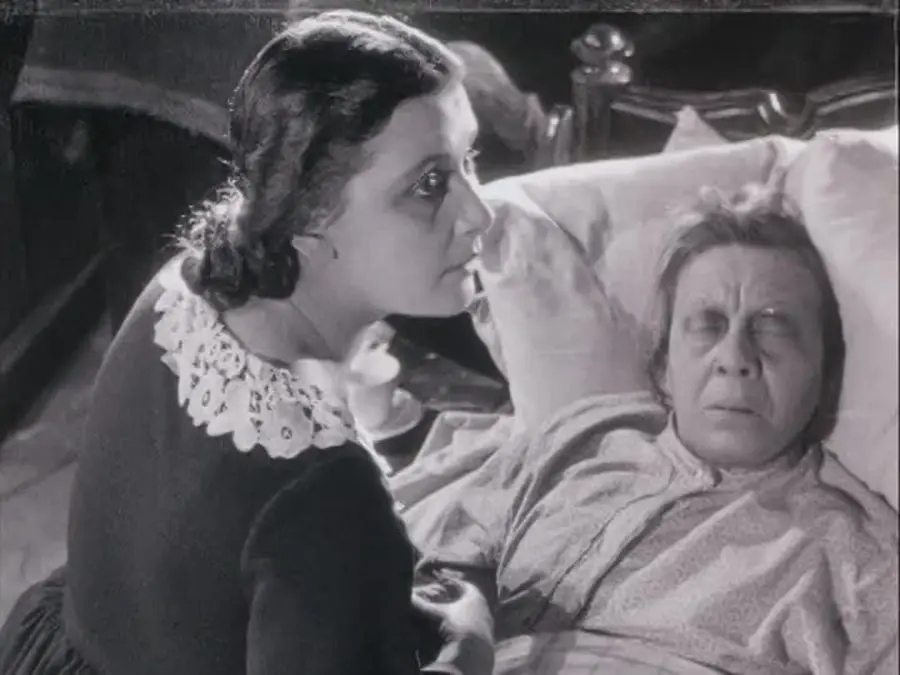
The engagement with early cinema extends far beyond mere viewing. It's a ritual of rediscovery, a continuous process of unearthing, contextualizing, and sharing. Online communities, academic journals, and specialized film festivals devoted to silent and early sound cinema form a global network of acolytes. These platforms become forums for discussion, debate, and the collective veneration of films that might otherwise remain unseen. Whether it's dissecting the moral ambiguities of Without Honor or marveling at the frontier spirit of The Footlight Ranger, the communal aspect of discovery strengthens the bonds of this unique cult.
The act of watching a recently restored film, knowing it was once lost to the ages, creates a profound connection to both the past and the present. It’s a testament to the enduring power of cinema itself – its ability to transcend its material form, even when that form is compromised. The experience is often tinged with melancholy, a bittersweet awareness of the vast cinematic library that has been forever silenced, yet also with triumph, celebrating the tenacity of those who fight for its survival. This emotional complexity is a key ingredient in the enduring appeal of these 'ghosts' on screen.
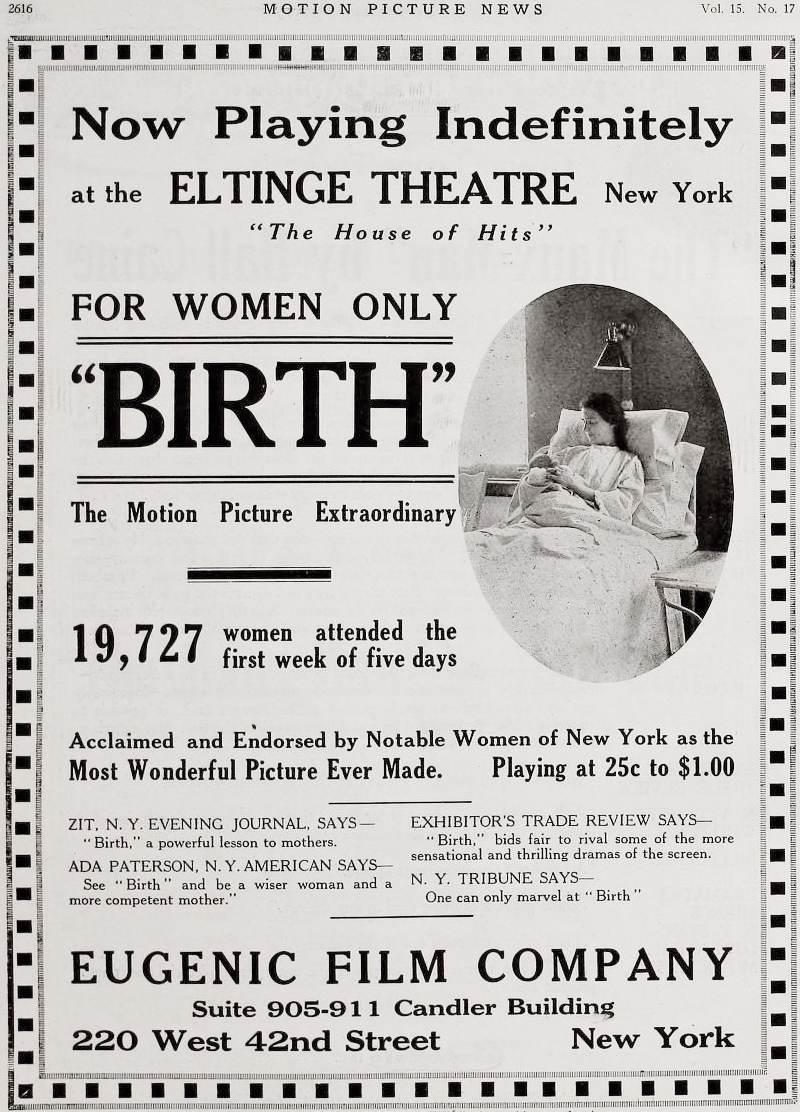
Despite their age and often archaic conventions, the thematic concerns of early cinema resonate with surprising modernity. Before the rigidures of the Hays Code clamped down on American filmmaking, many silent films explored themes with a rawness and moral ambiguity that would be unthinkable just a few years later. Films like West of the Water Tower, with its unflinching look at small-town ostracization and pre-marital pregnancy, or the stark realities hinted at in Die Frau mit dem schlechten Ruf from Germany, often confronted social issues head-on, without the need for neat resolutions or sanitized portrayals.
The early thrillers and serials, such as the French The Vampires: The Terrible Wedding, established narrative tropes and visual grammar that continue to influence filmmakers today. Even the early portrayals of women, as seen in films featuring figures like Mata Hari or the determined protagonist in Rebecca of Sunnybrook Farm, often showcased a nascent independence and resilience that defied simplistic categorization. These films, even in their fragmented states, offer a vital counter-narrative to the common misconception of early cinema as merely primitive or simplistic.
The echoes of these early cinematic experiments are not just historical curiosities; they are foundational texts, revealing the raw, unpolished DNA of storytelling that still pulses through contemporary film. To ignore them is to miss the very genesis of our shared cinematic language.
The visual aesthetics, too, often carry a haunting power. The stark contrasts of German Expressionism, the dramatic lighting of early Hollywood, or the innovative camera work of European masters, all contribute to an experience that feels both ancient and startlingly modern. The ghosts in these machines speak not only through their narratives but through their very visual fabric, creating an immersive, often unsettling, experience that draws us into their long-lost worlds.
Ultimately, the cult of early cinema’s fragmented visions is a testament to the profound human need for connection with the past, for understanding the origins of our cultural forms, and for celebrating the sheer tenacity of art. It’s a cult built not on easy consumption but on dedicated scholarship, painstaking preservation, and a deep, almost spiritual appreciation for what has survived against impossible odds. The ghost in the machine continues to whisper, and those of us who listen are rewarded with an understanding of cinema that is richer, more complex, and infinitely more profound than any blockbuster could ever offer. It’s a reminder that sometimes, the most cherished treasures are those we have to fight the hardest to keep from fading into the silent darkness.