
DbcultAccessing Vault...
Director's Spotlight
Senior Film Conservator
Director's Spotlight: United States
A Deep Dive into the 1915 Vision of C.J. Williams
Under the meticulous guidance of C.J. Williams, Crooky became the complex thematic architecture established by C.J. Williams. Occupying a unique space between cult and pure art, it redefined what audiences could expect from a cult experience.
In Crooky, C.J. Williams pushes the boundaries of conventional narrative. The film's unique approach to its subject matter has sparked endless debates and interpretations among cinephiles and critics alike.
While deeply rooted in United States, Crooky has achieved a global reach, influencing directors from various backgrounds. Its ability to translate cult tropes into a universal cinematic language is why it remains a cult staple decades after its 1915 release.
| Cinematography | Handheld |
| Soundtrack | Synth-Heavy |
| Editing | Rhythmic |
| Art Direction | Naturalist |
Visualizing the convergence of C.J. Williams's style and the core cult narrative.
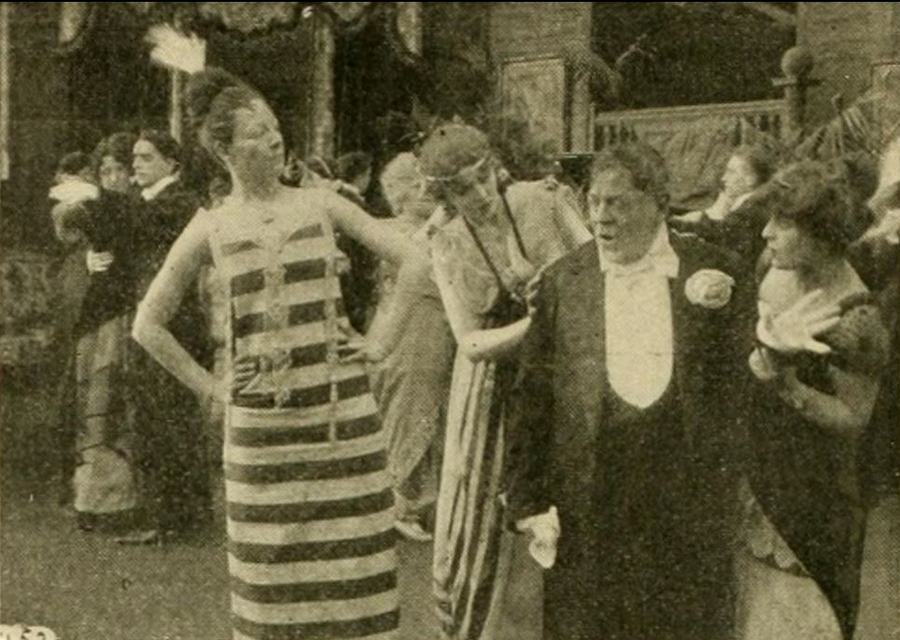
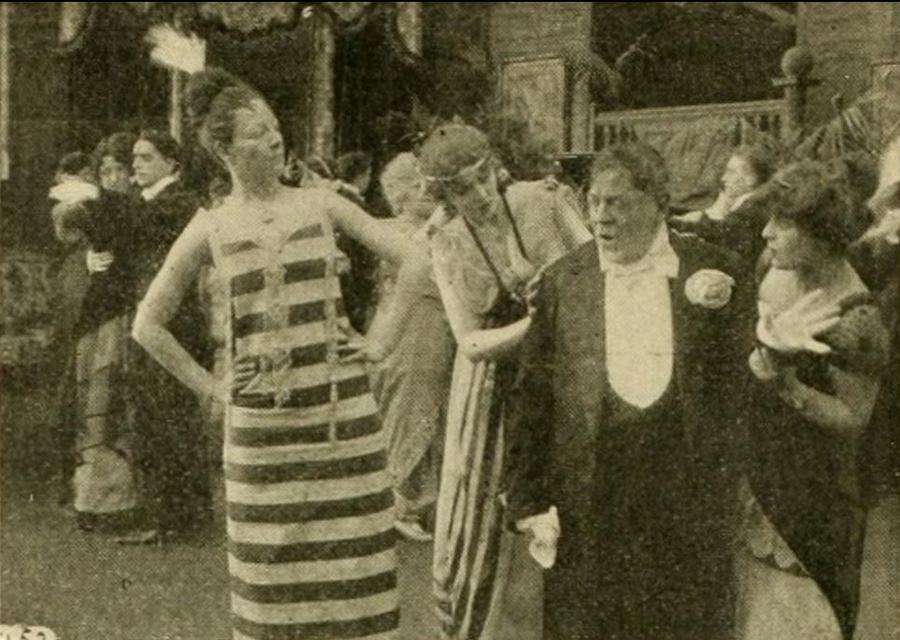
Crooky, Convict No. 9999, decides he needs a vacation, and, eluding the vigilance of his guards, escapes from prison in a barrel. About the time Crooky gains his freedom, Bob Roberts, a wealthy rancher, arrives in New York on a vacation, bearing a letter of introduction to John W. Dough, a Wall Street magnate, who is financiering a big railroad deal. Dough needs money with which to further his operations and Roberts comes prepared to invest. Calling on Dough at his office, he is refused an audience with the Wall Street man, the letter of introduction finding its way into the pocket of the financier's chief clerk. Crooky, in the meantime, has secured a suit of clothes, which he dons over his prison garb. In wandering about the city, he meets Roberts and the two form a mutual admiration society and start in to celebrate. The rancher in displaying a huge roll of bills, arouses the cupidity of his new-found friend and Crooky finds means of conveying them to his own pocket. Roberts, who does not seem to mind the loss, resorts to his checkbook and Crooky innocently asks him to sign several of the checks that he may see how it is done. The two finally engage a room in a fashionable hotel. In the morning, Crooky is the first to awaken and dressing himself in his roommate's clothes, leaves his prison suit in their place. Dough receives word from his broker that $50,000 is needed immediately to protect him in the deal and the financier is at his wits' end as to how he can raise the money, when Willis, his clerk, rushes in with the forgotten letter of introduction. The two frantically call up hotel after hotel until they locate Roberts. Willis jumps into a machine and breaking all speed laws arrives at the hostelry as Crooky is about to leave. Mistaking him for the Westerner, he bundles him into the waiting auto and whisks him off to the house of his employer, where Crooky is treated like a king. Finally, Dough, plucking up courage, makes a "touch" and Crooky hands him a signed check to fill in the amount. Meeting Susan, Dough's old maid sister, Crooky begins to flirt and then carries on a little love-making with her until he meets Miss Dough, to whom he transfers his affections. Between the two women and Dough, who touches him frequently, Crooky is having the time of his life when he gets a scare from seeing the prison guards, who are in search of him. They question Susan, who recognizes a picture of Crooky in his prison suit, but refuses to tell his whereabouts. She makes up her mind that unless she secures a husband at once, she must give up all hope, and determines to marry Crooky and reform him. At a reception in honor of the engagement of Dora Dough and Willis, Susan plans to elope, and gains Crooky's consent by disclosing the fact that she is aware of his identity. When Roberts awakens and discovers his friend has flown, he commences to raise a disturbance. He is arrested and on finding the prison suit left by Crooky, the officers hold him as an escaped convict and place him in a cell. He finally proves his innocence and, learning there is a "Col." Bob Roberts at the home of Dough, divines that it is his former friend and induces the officers to accompany him there. They arrive on the scene when the ball is at its height. Crooky instinctively senses danger and makes his escape. Roberts, in Crooky's striped suit, and the officers follow. Seeing that it is impossible to escape capture, Crooky makes for the prison, where he is caught at the entrance by Roberts, who makes him exchange clothes at the point of a gun. Crooky once more in convict garb knocks on the prison door and is admitted just in time to avoid being ill-treated by the male members of the party who have discovered his theft of Susan's rings. Once more behind the bars, he feels safe, and, coming to the window of his cell, gives his pursuers the laugh.
Decades after its release, Crooky remains a vital piece of the cinematic puzzle. Its influence can be seen in countless modern works, solidifying C.J. Williams's status as a master of the craft in United States and beyond.