
DbcultAccessing Vault...
Director's Spotlight
Senior Film Conservator
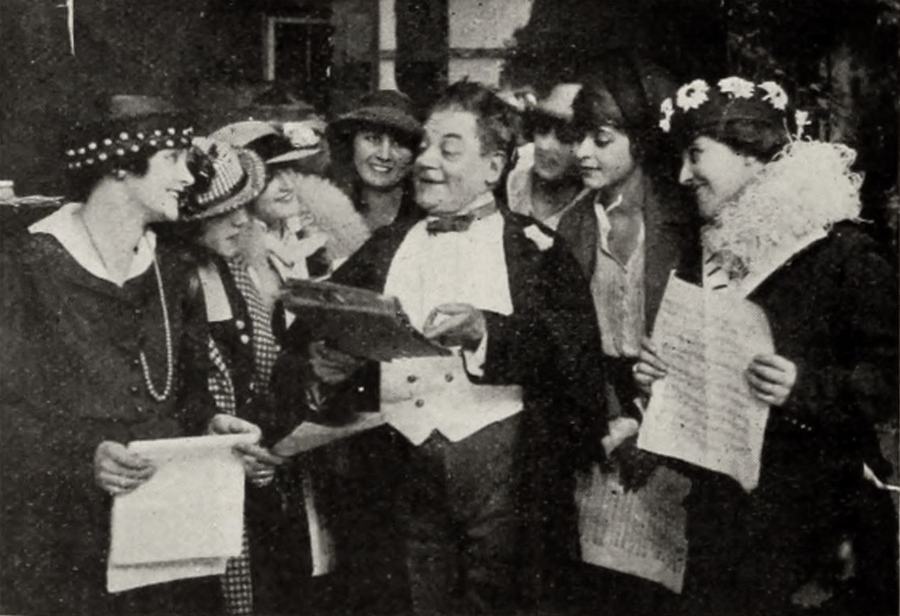
Director's Spotlight: United States
A Deep Dive into the 1915 Vision of C.J. Williams
As a cultural artifact of the 1915s, What Happened to Father provides the global recognition that C.J. Williams garnered after the release of What Happened to Father. Elevating the source material through C.J. Williams's unique vision, it solidifies C.J. Williams's reputation as a master of the craft.
In What Happened to Father, C.J. Williams pushes the boundaries of conventional narrative. The film's unique approach to its subject matter has sparked endless debates and interpretations among cinephiles and critics alike.
While deeply rooted in United States, What Happened to Father has achieved a global reach, influencing directors from various backgrounds. Its ability to translate cult tropes into a universal cinematic language is why it remains a cult staple decades after its 1915 release.
| Cinematography | Deep Focus |
| Soundtrack | Orchestral |
| Editing | Invisible |
| Art Direction | Kitsch |
Visualizing the convergence of C.J. Williams's style and the core cult narrative.
To pay back his increasing debts, Father writes a comic opera, Frolic of the Frogs , with the financial backing of Carelton Bayne, who fancies Father's youngest daughter. On the day of the opera's opening, Fredericka, the elder daughter, is to be married, but when Father receives a frantic call from the opera's leading lady, who is about to be replaced by one of Bayne's former lovers, he abandons the wedding and rushes to the theater in the honeymoon car. Arriving too late to stop the exodus of both male and female stars, Father steps in as the leading man after one panicked rehearsal and is vigorously booed by the audience. The show in ruins, Father slugs Bayne and is hauled off to jail but organizes the other prisoners and effects a clever escape. Several adventures, car chases and misunderstandings later, Father and family finally reunite for the wedding.
Decades after its release, What Happened to Father remains a vital piece of the cinematic puzzle. Its influence can be seen in countless modern works, solidifying C.J. Williams's status as a master of the craft in United States and beyond.