
DbcultAccessing Vault...
Director's Spotlight
Senior Film Conservator
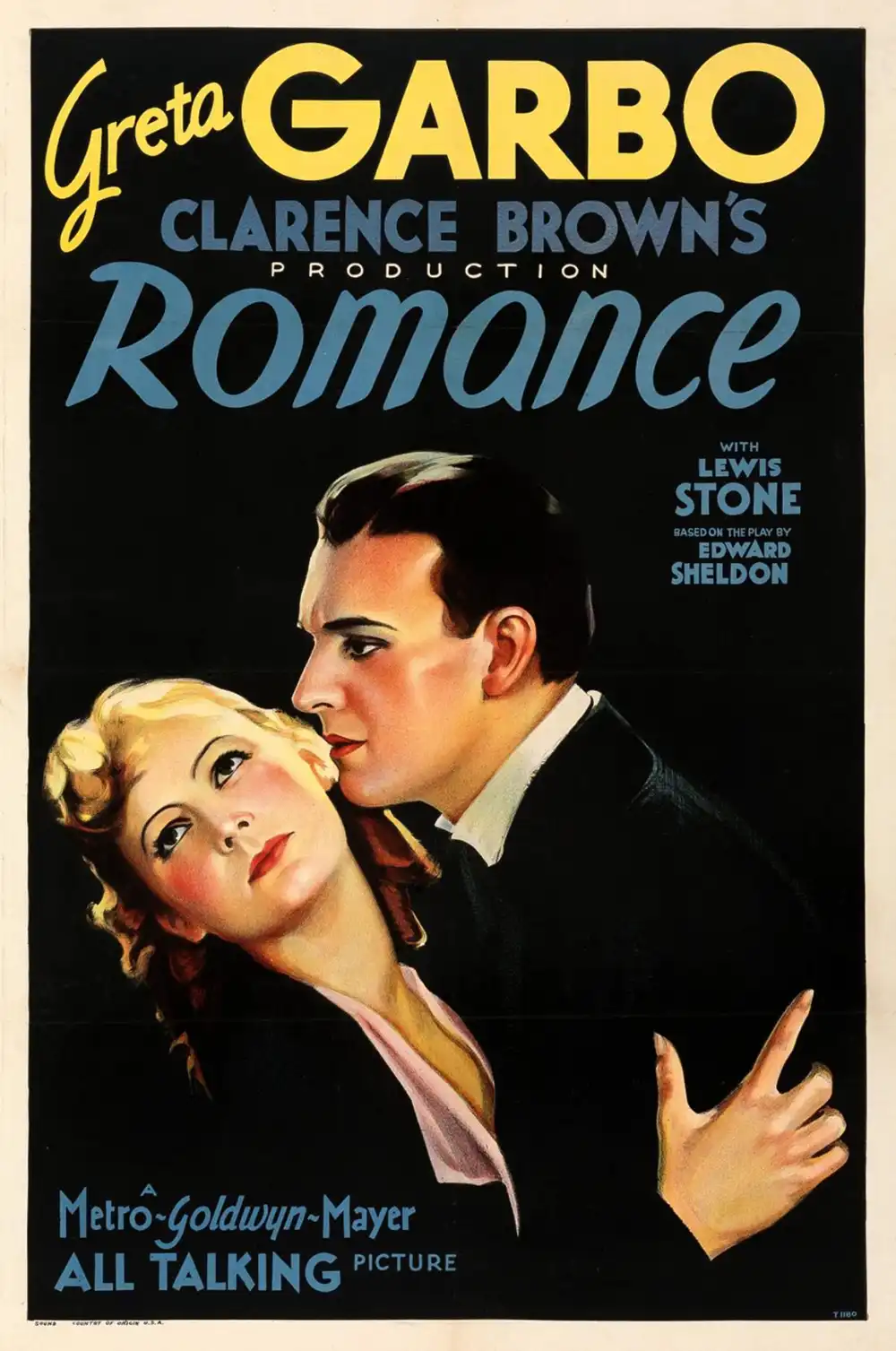
Director's Spotlight: United States
A Deep Dive into the 1930 Vision of Clarence Brown
As we revisit the 1930 masterpiece Romance, we are struck by the atmospheric immersion that Clarence Brown achieves throughout Romance. Exploring the nuances of the human condition with Drama flair, it solidifies Clarence Brown's reputation as a master of the craft.
In Romance, Clarence Brown pushes the boundaries of conventional narrative. The film's unique approach to its subject matter has sparked endless debates and interpretations among cinephiles and critics alike.
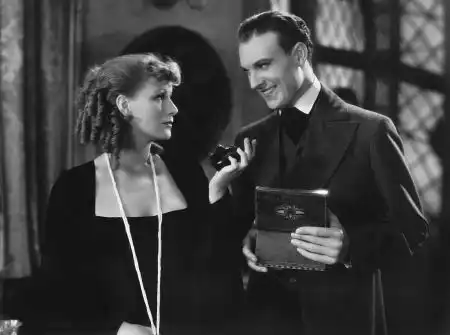
The visual language of Romance is defined by its use of shadows and framing, a hallmark of Clarence Brown's style. By utilizing a 1930-era palette, the film creates an immersive experience that perfectly complements its Drama themes.
| Cinematography | Handheld |
| Soundtrack | Experimental |
| Editing | Elliptical |
| Art Direction | Expressionist |
Visualizing the convergence of Clarence Brown's style and the core Drama narrative.
Young Harry is in love and wants to marry an actress, much to the displeasure of his family. Harry thinks that Bishop Armstrong knows nothing about love, so Armstrong tells him the story of Rita and himself. Rita was an opera star singing in New York, who was at a party given by Cornelius. Armstrong was a 28-year-old rector. He fell for Rita when he saw her and after six weeks he wanted to marry her. Naive as he was, he thought that all of Rita's "relationships" were in the distant past, but Rita lives for the moment and knows that she can never marry Armstrong.
Decades after its release, Romance remains a vital piece of the cinematic puzzle. Its influence can be seen in countless modern works, solidifying Clarence Brown's status as a master of the craft in United States and beyond.