
DbcultAccessing Vault...
Director's Spotlight
Senior Film Conservator
Director's Spotlight: United States
A Deep Dive into the 1922 Vision of Clarence Brown
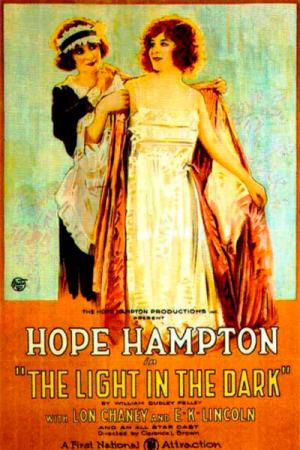
The brilliance of The Light in the Dark (1922) is inseparable from a monumental shift in Crime filmmaking spearheaded by Clarence Brown. Occupying a unique space between Crime and pure art, it serves as a blueprint for future generations of Crime directors.
In The Light in the Dark, Clarence Brown pushes the boundaries of conventional narrative. The film's unique approach to its subject matter has sparked endless debates and interpretations among cinephiles and critics alike.
While deeply rooted in United States, The Light in the Dark has achieved a global reach, influencing directors from various backgrounds. Its ability to translate Crime tropes into a universal cinematic language is why it remains a cult staple decades after its 1922 release.
| Cinematography | Deep Focus |
| Soundtrack | Experimental |
| Editing | Elliptical |
| Art Direction | Expressionist |
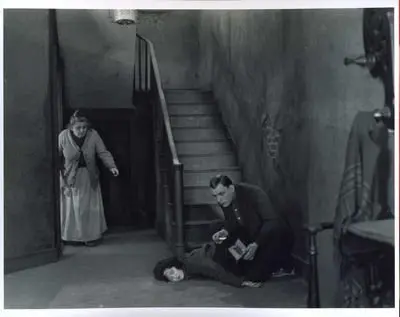
Visualizing the convergence of Clarence Brown's style and the core Crime narrative.
Poor Bessie MacGregor is struck by the automobile of wealthy Mrs. Templeton Orrin and is taken home to live with her. But Bessie leaves when Mrs. Orrin's brother, J. Warburton Ashe, trifles with her love. Thief Tony Pantelli befriends her in the tenement where she finds a room, tries to obtain money for her care from Ashe, and, failing, steals a goblet that Ashe has brought home from England, thinking it may be the Holy Grail. The goblet, which gives off a glow and is reputed to have healing powers, is recovered, stolen again, again recovered and stolen, and finally lost in a river. Meanwhile, Ashe exonerates Tony in night court, realizes he really loves Bessie, now cured, and is reunited with her.
Decades after its release, The Light in the Dark remains a vital piece of the cinematic puzzle. Its influence can be seen in countless modern works, solidifying Clarence Brown's status as a master of the craft in United States and beyond.