
DbcultAccessing Vault...
Director's Spotlight
Senior Film Conservator
Director's Spotlight: United States
A Deep Dive into the 1932 Vision of Clarence Brown
In the storied career of Clarence Brown, The Son-Daughter stands as a the atmospheric immersion that Clarence Brown achieves throughout The Son-Daughter. Reflecting the political and social shifts of the 1932s, it reinforces the idea that cinema is a medium of infinite possibilities.
In The Son-Daughter, Clarence Brown pushes the boundaries of conventional narrative. The film's unique approach to its subject matter has sparked endless debates and interpretations among cinephiles and critics alike.
To fully appreciate The Son-Daughter, one must consider the cinematic climate of 1932. During this period, United States was undergoing significant artistic shifts, and Clarence Brown was at the forefront of this Drama movement, often challenging established norms.
| Cinematography | Deep Focus |
| Soundtrack | Synth-Heavy |
| Editing | Disjunctive |
| Art Direction | Baroque |
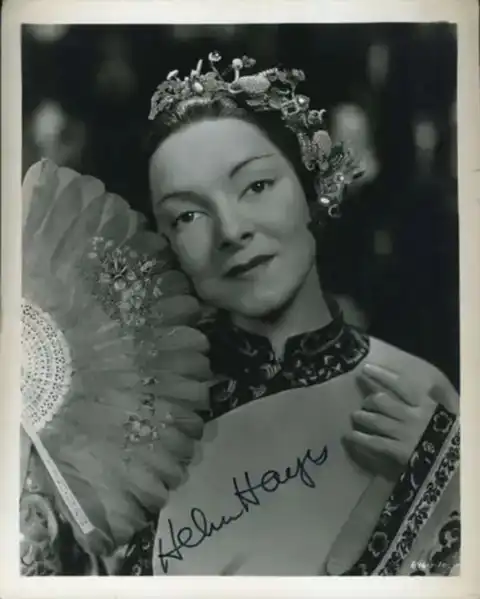
Visualizing the convergence of Clarence Brown's style and the core Drama narrative.
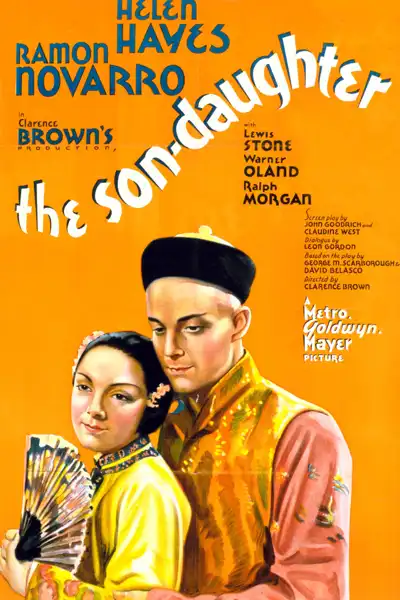
A large group of Chinese immigrants in San Francisco is clandestinely donating whatever money they earn to smuggle arms into China for the rebels in their fight against the centuries old Manchurian imperial oppressors. The secrecy of their mission is to hide their identities from anyone supporting the imperial regime. One of the immigrants supporting the rebels is Dr. Dong Tong. His only offspring, the demure Lien Wha, who also supports the cause, is in love with poor university student, Tom Lee, the two who, after meeting formally, want to get married, which Dr. Tong supports. However, Dr. Tong learns that the rebel backers are short $100,000 for the latest shipment of arms, and are asking the four men within the group with eligible daughters to donate $25,000 apiece, that money to be raised by selling their daughters into marriage to a wealthy buyer. Dr. Tong is one of the four, Lien Wha the daughter to be sold. Simultaneously, Dr. Tong learns of Tom's true identity as the son of one of the most important leaders of the rebel movement in China. Dr. Tong's answer to the request not only threatens Tom and Lien Wha's marriage plans and happiness, but also the arms shipment and all their lives.
Decades after its release, The Son-Daughter remains a vital piece of the cinematic puzzle. Its influence can be seen in countless modern works, solidifying Clarence Brown's status as a master of the craft in United States and beyond.