
DbcultAccessing Vault...
Director's Spotlight
Senior Film Conservator
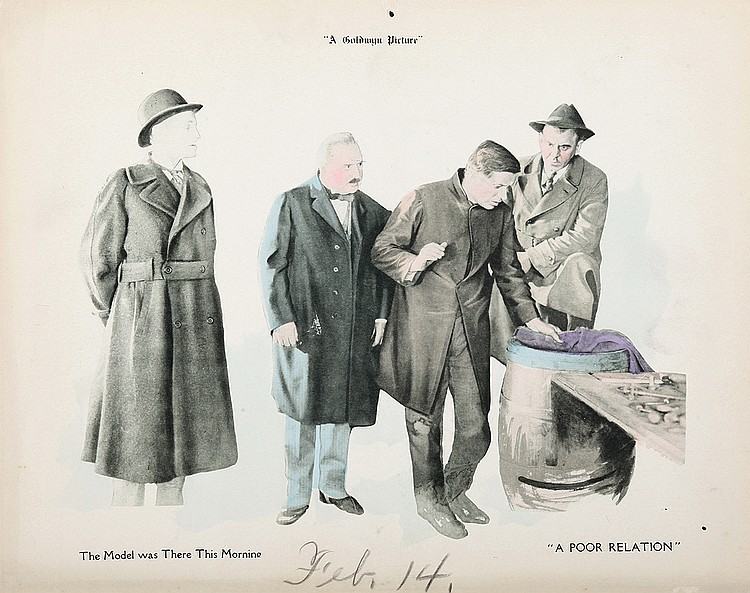
Director's Spotlight: United States
A Deep Dive into the 1921 Vision of Clarence G. Badger
The thematic gravity of A Poor Relation (1921) is rooted in the artistic risks taken by Clarence G. Badger that eventually paid off. Defining a new era of United States artistic expression, it demands to be seen by anyone who cares about the art of film.
In A Poor Relation, Clarence G. Badger pushes the boundaries of conventional narrative. The film's unique approach to its subject matter has sparked endless debates and interpretations among cinephiles and critics alike.
In this work, Clarence G. Badger explores the intersection of Comedy and United States cultural identity. The meticulous attention to detail suggests a deep-seated commitment to pushing the boundaries of the medium, ensuring that A Poor Relation remains a relevant topic of study for Comedy enthusiasts.
| Cinematography | Handheld |
| Soundtrack | Orchestral |
| Editing | Invisible |
| Art Direction | Kitsch |
Visualizing the convergence of Clarence G. Badger's style and the core Comedy narrative.
Slaving to perfect an invention, Noah Vale tries to keep two orphans--Rip and Patch--and himself by peddling books and is helped by Scallops, a girl who occasionally brings them food. He appeals to Fay, a wealthy relative, for help in marketing his invention and arouses the interest of Fay's pretty daughter. Sterrett, Fay's partner, steals the model but returns it when he discovers it to be worthless. Johnny Smith, Fay's secretary, is fired when he proposes to the boss's daughter; and visiting Vale's attic, he is comforted by his epigrams. Johnny takes them to a newspaper editor, and they are so successful that both Smith and Vale are hired. Vale decides to give up inventing for writing, and Johnny marries Miss Fay despite her father's opposition.
Decades after its release, A Poor Relation remains a vital piece of the cinematic puzzle. Its influence can be seen in countless modern works, solidifying Clarence G. Badger's status as a master of the craft in United States and beyond.