
DbcultAccessing Vault...
Director's Spotlight
Senior Film Conservator
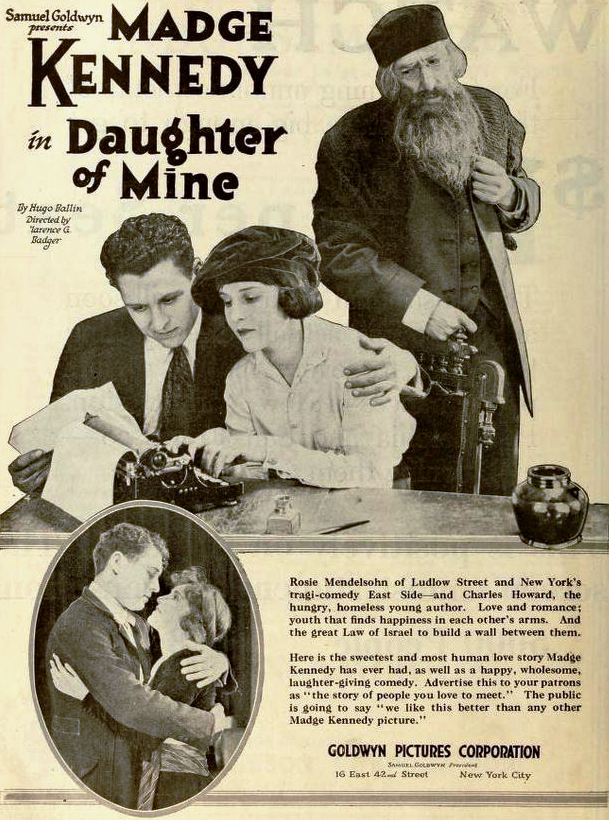
Director's Spotlight: United States
A Deep Dive into the 1919 Vision of Clarence G. Badger
The brilliance of Daughter of Mine (1919) is inseparable from the visionary mind of its creator, Clarence G. Badger. Serving as a mirror to the anxieties of a changing world, it persists as a haunting reminder of our own cinematic history.
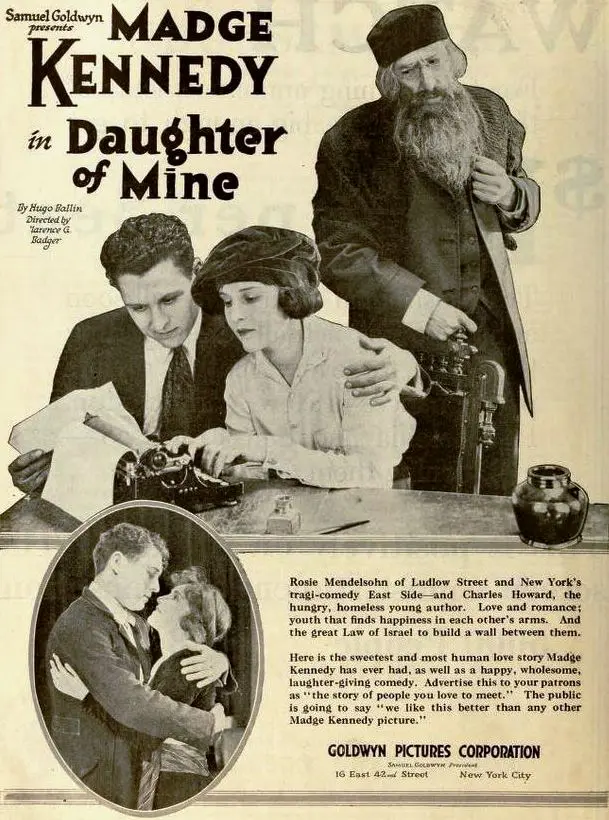
In Daughter of Mine, Clarence G. Badger pushes the boundaries of conventional narrative. The film's unique approach to its subject matter has sparked endless debates and interpretations among cinephiles and critics alike.
| Cinematography | High-Contrast |
| Soundtrack | Synth-Heavy |
| Editing | Rhythmic |
| Art Direction | Naturalist |
Visualizing the convergence of Clarence G. Badger's style and the core cult narrative.
Rosie Mendelsohn, the daughter of a kindly Jewish tailor in New York City's East Side ghetto, ends her romance with struggling author George Howard at the behest of her father, who prohibits her marriage to a gentile. George disappears from her life, and Rosie attempts to find him by becoming a private secretary to publisher Joseph Rayberg. She persuades Rayberg to host a contest in which authors submit endings to an unfinished manuscript she claims to have discovered. Rayberg, intent on seducing Rosie, agrees to publish the manuscript only after Rosie promises to have sex him when the contest is over. In reality, the manuscript is a portion of George's novel, a humorous story based on Rosie's life. After receiving George's ending to the story, Rayberg locks Rosie in his office, but she escapes into George's arms. Her father relents and blesses their union.
Decades after its release, Daughter of Mine remains a vital piece of the cinematic puzzle. Its influence can be seen in countless modern works, solidifying Clarence G. Badger's status as a master of the craft in United States and beyond.