
DbcultAccessing Vault...
Director's Spotlight
Senior Film Conservator
Director's Spotlight: United States
A Deep Dive into the 1922 Vision of Clarence G. Badger
Deciphering the layers of Fruits of Faith (1922) reveals the complex thematic architecture established by Clarence G. Badger. Utilizing a 1922-specific aesthetic that remains timeless, it stands as the definitive 1922 statement on Comedy identity.
In Fruits of Faith, Clarence G. Badger pushes the boundaries of conventional narrative. The film's unique approach to its subject matter has sparked endless debates and interpretations among cinephiles and critics alike.
While deeply rooted in United States, Fruits of Faith has achieved a global reach, influencing directors from various backgrounds. Its ability to translate Comedy tropes into a universal cinematic language is why it remains a cult staple decades after its 1922 release.
| Cinematography | Deep Focus |
| Soundtrack | Orchestral |
| Editing | Slow-Burn |
| Art Direction | Brutalist |
Visualizing the convergence of Clarence G. Badger's style and the core Comedy narrative.
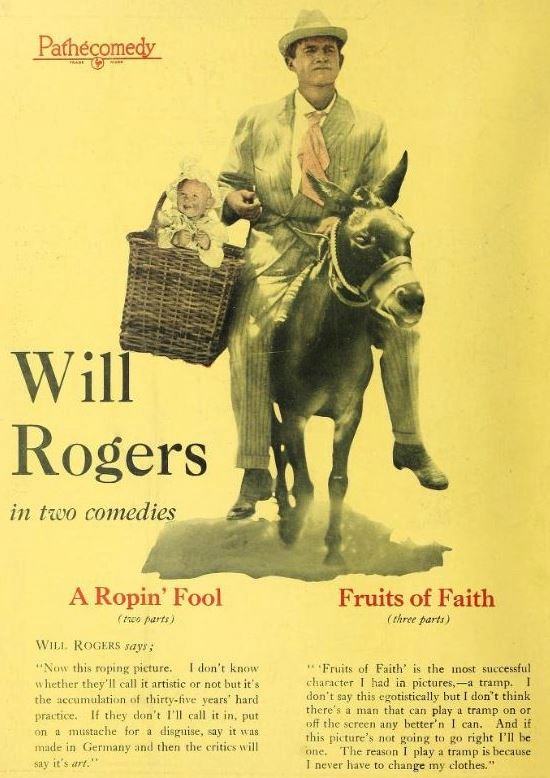
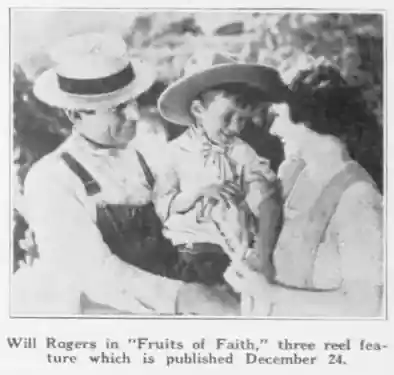
Will appears as a tramp who hears a street minister preach on the power of faith. Chance leads him to a place in the desert where he finds a baby. He adopts it and then finds work is not so distasteful after all. He marries to get a "mother" for the baby, and then the child's father returns. Finding how much the couple love the child, who is now four years old, the real father departs and happiness again reigns.
Decades after its release, Fruits of Faith remains a vital piece of the cinematic puzzle. Its influence can be seen in countless modern works, solidifying Clarence G. Badger's status as a master of the craft in United States and beyond.