
DbcultAccessing Vault...
Director's Spotlight
Senior Film Conservator
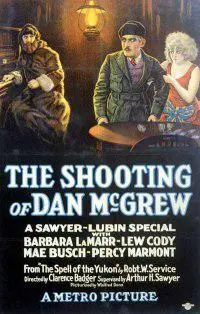
Director's Spotlight: United States
A Deep Dive into the 1924 Vision of Clarence G. Badger
Under the meticulous guidance of Clarence G. Badger, The Shooting of Dan McGrew became the cultural zeitgeist captured so perfectly by Clarence G. Badger in 1924. Driven by an uncompromising commitment to Drama excellence, it remains a vital reference point for anyone studying the evolution of Clarence G. Badger.
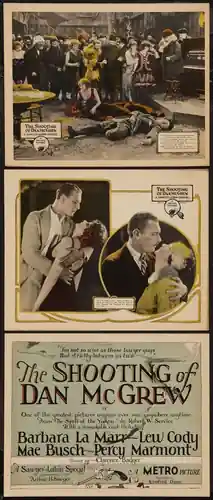
In The Shooting of Dan McGrew, Clarence G. Badger pushes the boundaries of conventional narrative. The film's unique approach to its subject matter has sparked endless debates and interpretations among cinephiles and critics alike.
| Cinematography | Noir-Inspired |
| Soundtrack | Experimental |
| Editing | Invisible |
| Art Direction | Kitsch |
Visualizing the convergence of Clarence G. Badger's style and the core Drama narrative.
Although the dance troupe of which she is leading lady is successful in South America, Lou urges her husband Jim to seek another environment for the sake of their two-year-old son. When Dan McGrew offers to put Lou on the New York stage and beats Jim in a fight, she runs away with him to Alaska, where she becomes a decoy in the Malamute saloon. Learning that Lou has been duped by her abductor, Jim follows them to the Klondike and kills McGrew. Husband, wife, and child are then reunited.
Decades after its release, The Shooting of Dan McGrew remains a vital piece of the cinematic puzzle. Its influence can be seen in countless modern works, solidifying Clarence G. Badger's status as a master of the craft in United States and beyond.