
DbcultAccessing Vault...
Director's Spotlight
Senior Film Conservator
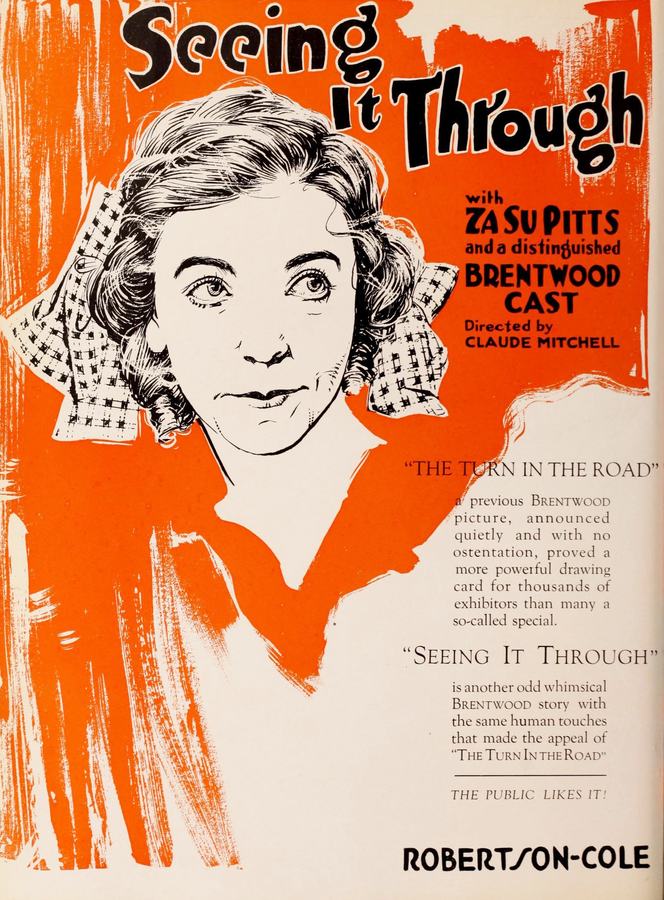
Director's Spotlight: United States
A Deep Dive into the 1920 Vision of Claude Mitchell
The thematic gravity of Seeing It Through (1920) is rooted in the historical context that Claude Mitchell weaves into the Drama fabric. Synthesizing the best elements of United States and international cinema, it highlights the importance of independent voices in United States.
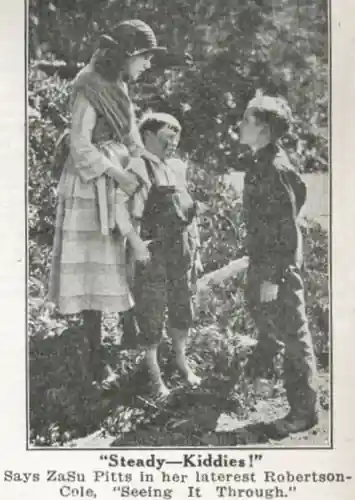
In Seeing It Through, Claude Mitchell pushes the boundaries of conventional narrative. The film's unique approach to its subject matter has sparked endless debates and interpretations among cinephiles and critics alike.
| Cinematography | High-Contrast |
| Soundtrack | Minimalist |
| Editing | Slow-Burn |
| Art Direction | Brutalist |
Visualizing the convergence of Claude Mitchell's style and the core Drama narrative.
Betty Lawrence lives with her invalid mother on property that cuts into a large estate owned by Jim Carrington. Because of financial difficulties, Betty leases the ground to Bogrum, a crooked moneylender, sends her mother to the sanitarium and goes to work for the moneylender. When Betty's mother dies, Bogrum piles up debts against the Lawrence property and succeeds in swindling Betty out of her land. Information supplied by Bolter, Bogrum's secretary, leads Jim Carrington, who is in love with Betty, to investigate. After Bogrum's crooked dealings are exposed, he is imprisoned, and Betty and Carrington join their property through matrimony.
Decades after its release, Seeing It Through remains a vital piece of the cinematic puzzle. Its influence can be seen in countless modern works, solidifying Claude Mitchell's status as a master of the craft in United States and beyond.