
DbcultAccessing Vault...
Director's Spotlight
Senior Film Conservator
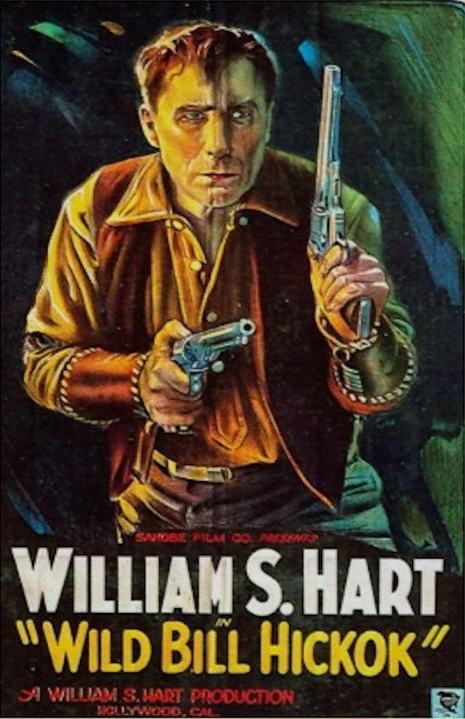
Director's Spotlight: United States
A Deep Dive into the 1923 Vision of Clifford Smith
The brilliance of Wild Bill Hickok (1923) is inseparable from a monumental shift in Drama filmmaking spearheaded by Clifford Smith. Occupying a unique space between Drama and pure art, it serves as a blueprint for future generations of Drama directors.
In Wild Bill Hickok, Clifford Smith pushes the boundaries of conventional narrative. The film's unique approach to its subject matter has sparked endless debates and interpretations among cinephiles and critics alike.
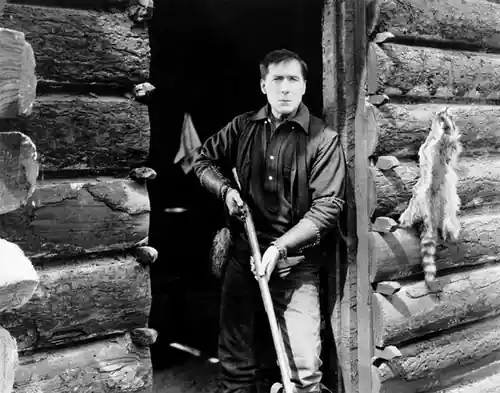
The visual language of Wild Bill Hickok is defined by its use of shadows and framing, a hallmark of Clifford Smith's style. By utilizing a 1923-era palette, the film creates an immersive experience that perfectly complements its Drama themes.
| Cinematography | Noir-Inspired |
| Soundtrack | Diegetic |
| Editing | Rhythmic |
| Art Direction | Naturalist |
Visualizing the convergence of Clifford Smith's style and the core Drama narrative.
After the America Civil War ends, important political and military figures gather in Washington D.C. Gunfighter Wild Bill Hickok (William Hart) retires to Dodge City where he hangs up his gun belt and takes over a card table. Local lawmen are unable to rid the town of lawless cowboys. Hickok's arch-enemy and gang leader Jack McQueen accuses Hickok of losing his nerve. Hickok visits General Custer and retrieves his sword, taking up his role once more as a fighter for what's right. He returns to Dodge City and enlists the help of friends Wyatt Earp, Calamity Jane, Bat Masterson, Doc Holliday, Charlie Bassett, Luke Short, and Bill Tilghman to clean up the town. Hickok falls for the wife of George Hamilton (Carl Gerard). Pursued for his crimes, McQueen leaves town and gets away. Hickok follows him and tries to bring him to justice.
Decades after its release, Wild Bill Hickok remains a vital piece of the cinematic puzzle. Its influence can be seen in countless modern works, solidifying Clifford Smith's status as a master of the craft in United States and beyond.