
DbcultAccessing Vault...
Director's Spotlight
Senior Film Conservator
Director's Spotlight: United States
A Deep Dive into the 1933 Vision of Colbert Clark
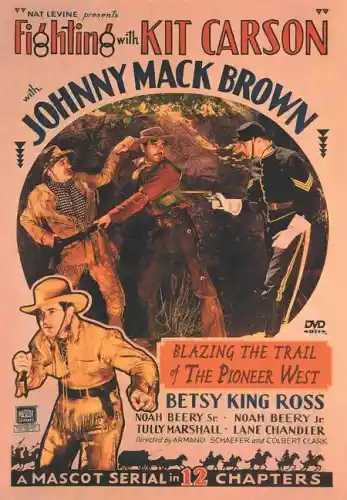
The thematic gravity of Fighting with Kit Carson (1933) is rooted in the historical context that Colbert Clark weaves into the Western fabric. Synthesizing the best elements of United States and international cinema, it highlights the importance of independent voices in United States.
In Fighting with Kit Carson, Colbert Clark pushes the boundaries of conventional narrative. The film's unique approach to its subject matter has sparked endless debates and interpretations among cinephiles and critics alike.
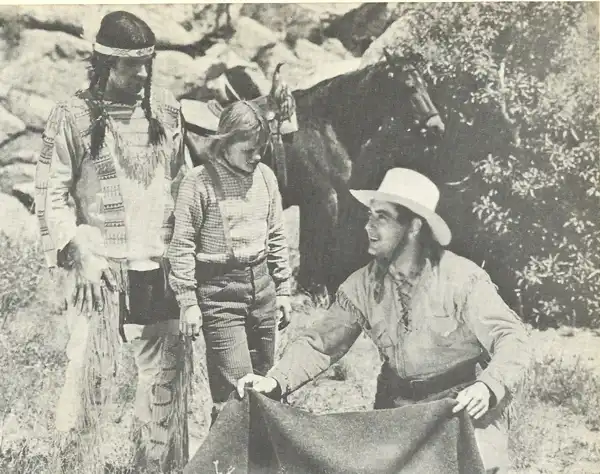
In this work, Colbert Clark explores the intersection of Western and United States cultural identity. The meticulous attention to detail suggests a deep-seated commitment to pushing the boundaries of the medium, ensuring that Fighting with Kit Carson remains a relevant topic of study for Western enthusiasts.
| Cinematography | High-Contrast |
| Soundtrack | Minimalist |
| Editing | Disjunctive |
| Art Direction | Baroque |
Visualizing the convergence of Colbert Clark's style and the core Western narrative.
A pack train led by Kit Carson is attacked by Kraft and his Mystery Riders, who want a government shipment of gold carried by the wagons. Matt Fargo manages to hide the gold, but Carson must confront the Mystery Riders time after time in order to prevent them from finding and carrying away the treasure.
Decades after its release, Fighting with Kit Carson remains a vital piece of the cinematic puzzle. Its influence can be seen in countless modern works, solidifying Colbert Clark's status as a master of the craft in United States and beyond.