
DbcultAccessing Vault...
Director's Spotlight
Senior Film Conservator

Director's Spotlight: United States
A Deep Dive into the 1918 Vision of Colin Campbell
As we revisit the 1918 masterpiece A Hoosier Romance, we are struck by the atmospheric immersion that Colin Campbell achieves throughout A Hoosier Romance. Exploring the nuances of the human condition with cult flair, it solidifies Colin Campbell's reputation as a master of the craft.
In A Hoosier Romance, Colin Campbell pushes the boundaries of conventional narrative. The film's unique approach to its subject matter has sparked endless debates and interpretations among cinephiles and critics alike.
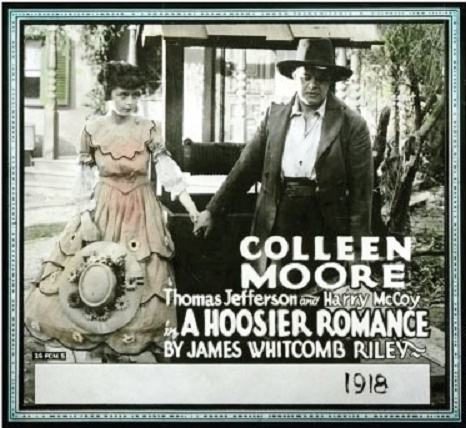
The visual language of A Hoosier Romance is defined by its use of shadows and framing, a hallmark of Colin Campbell's style. By utilizing a 1918-era palette, the film creates an immersive experience that perfectly complements its cult themes.
| Cinematography | Deep Focus |
| Soundtrack | Diegetic |
| Editing | Rhythmic |
| Art Direction | Naturalist |
Visualizing the convergence of Colin Campbell's style and the core cult narrative.
Living with her cruel and greedy father on their Indiana farm, Pretty Patience Thompson, is a "girl with a singing soul," However, her life of drudgery is brightened by John, the hired hand, but when he asks for her hand in marriage, the old man flies into a rage and discharges him. Soon an aged but wealthy widower courts Patience, and although she still loves John, her father orders her to marry the widower. Aware of her unhappiness, the kindly squire and his wife arrange for John to hide in the Thompson home on the day of the wedding. With all of the guests assembled, Patience runs from the room and pretends to escape on a horse, and while the two old men search the fields for her, she quietly marries John.
Decades after its release, A Hoosier Romance remains a vital piece of the cinematic puzzle. Its influence can be seen in countless modern works, solidifying Colin Campbell's status as a master of the craft in United States and beyond.