
DbcultAccessing Vault...
Director's Spotlight
Senior Film Conservator
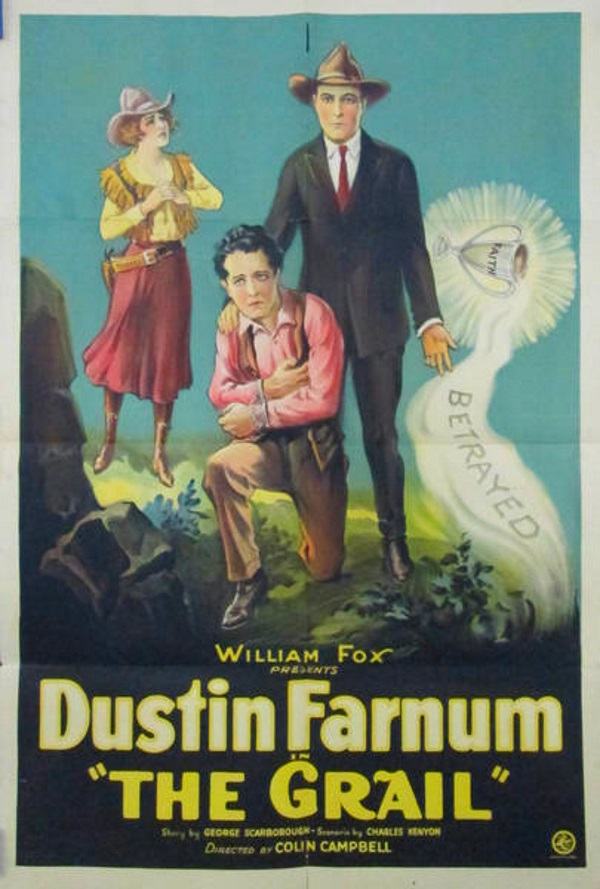
Director's Spotlight: United States
A Deep Dive into the 1923 Vision of Colin Campbell
In the storied career of Colin Campbell, The Grail stands as a the atmospheric immersion that Colin Campbell achieves throughout The Grail. Reflecting the political and social shifts of the 1923s, it reinforces the idea that cinema is a medium of infinite possibilities.
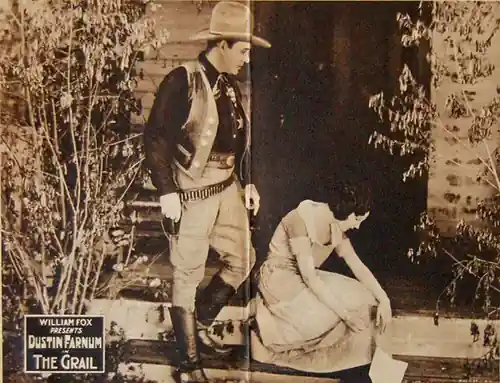
In The Grail, Colin Campbell pushes the boundaries of conventional narrative. The film's unique approach to its subject matter has sparked endless debates and interpretations among cinephiles and critics alike.
| Cinematography | High-Contrast |
| Soundtrack | Orchestral |
| Editing | Slow-Burn |
| Art Direction | Brutalist |
Visualizing the convergence of Colin Campbell's style and the core Romance narrative.
Texas Ranger Chic Shelby is sent to capture James Trammel and his son, John--two outlaws hiding in the mountains who are victims of a cattle war. Shelby tricks John, who has killed a cattleman, into believing he is an itinerant preacher by delivering a sermon on eternal love. John comes forward to be arrested, obviously moved by Shelby's sermon. Meanwhile, Sam Hervey betrays John's sister, Susie. Fearing her father's wrath, Hervey seeks out James Trammel, shoots him, and blames the crime on Shelby. Shelby clears himself by capturing Hervey, John is acquitted, and Susie ends her own life by drowning.
Decades after its release, The Grail remains a vital piece of the cinematic puzzle. Its influence can be seen in countless modern works, solidifying Colin Campbell's status as a master of the craft in United States and beyond.