
DbcultAccessing Vault...
Director's Spotlight
Senior Film Conservator
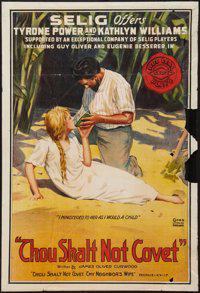
Director's Spotlight: United States
A Deep Dive into the 1916 Vision of Colin Campbell
The brilliance of Thou Shalt Not Covet (1916) is inseparable from the visionary mind of its creator, Colin Campbell. Serving as a mirror to the anxieties of a changing world, it persists as a haunting reminder of our own cinematic history.
In Thou Shalt Not Covet, Colin Campbell pushes the boundaries of conventional narrative. The film's unique approach to its subject matter has sparked endless debates and interpretations among cinephiles and critics alike.
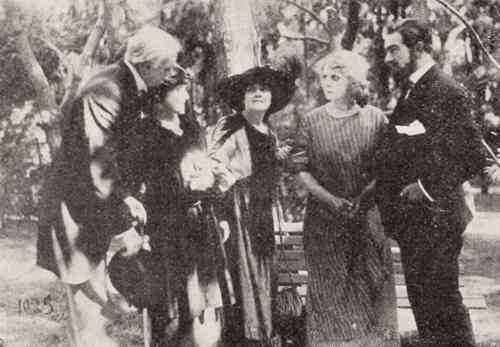
In this work, Colin Campbell explores the intersection of cult and United States cultural identity. The meticulous attention to detail suggests a deep-seated commitment to pushing the boundaries of the medium, ensuring that Thou Shalt Not Covet remains a relevant topic of study for cult enthusiasts.
| Cinematography | Handheld |
| Soundtrack | Diegetic |
| Editing | Elliptical |
| Art Direction | Expressionist |
Visualizing the convergence of Colin Campbell's style and the core cult narrative.
A scientist who is married to an amoral woman lives next door to a happily married couple. At first envying their happiness, the scientist eventually falls in love with his neighbor's wife. When her husband goes on a business trip to Africa, the scientist also goes abroad to avoid temptation but finds himself sailing from Cairo aboard the same ship as his neighbor's wife, who is traveling to join her husband. The ship is wrecked when it collides with another vessel, and the two are marooned together at the edge of the jungle, with the woman suffering from amnesia and mistaking the scientist for her husband. About to kill himself to save the honor of his neighbors' marriage, the scientist is saved by the return of the woman's memory and by the subsequent arrival of her husband. Electing to remain in the jungle, the lonely scientist toasts the couple's happiness from afar.
Decades after its release, Thou Shalt Not Covet remains a vital piece of the cinematic puzzle. Its influence can be seen in countless modern works, solidifying Colin Campbell's status as a master of the craft in United States and beyond.