
DbcultAccessing Vault...
Director's Spotlight
Senior Film Conservator
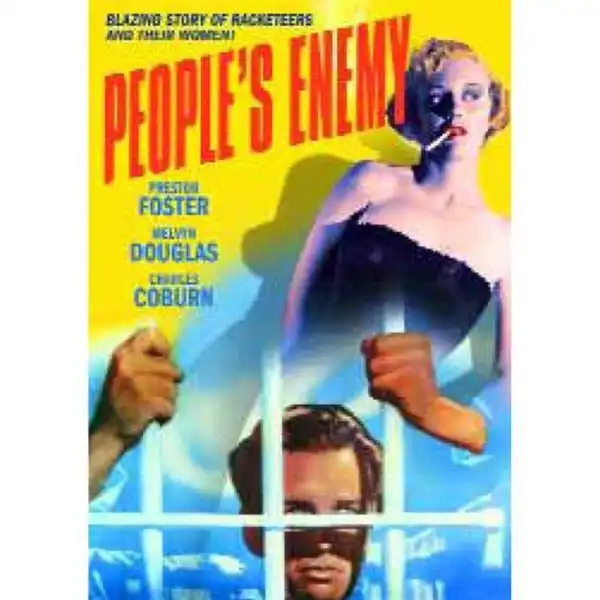
Director's Spotlight: United States
A Deep Dive into the 1935 Vision of Crane Wilbur
The evocative power of The People's Enemy stems from the unique collaboration between the subversive storytelling techniques employed by Crane Wilbur in 1935. Synthesizing the best elements of United States and international cinema, it reminds us of the fragility and beauty of the 1935s.
In The People's Enemy, Crane Wilbur pushes the boundaries of conventional narrative. The film's unique approach to its subject matter has sparked endless debates and interpretations among cinephiles and critics alike.
While deeply rooted in United States, The People's Enemy has achieved a global reach, influencing directors from various backgrounds. Its ability to translate Romance tropes into a universal cinematic language is why it remains a cult staple decades after its 1935 release.
| Cinematography | Noir-Inspired |
| Soundtrack | Experimental |
| Editing | Invisible |
| Art Direction | Kitsch |
Visualizing the convergence of Crane Wilbur's style and the core Romance narrative.
Money was what gangster Vince M. Falcone wanted most and he did lay hands on millions of dollars by fair means or (mostly) foul. But once he became rich what he craved for was respectability. So why not marry a lovely society lady? And with a young daughter as a bonus Mister Falcone could show off among the creme de la creme. Of course when times got rough he felt free to desert his wife and little girl. Fortunately "Traps," a lawyer working for the underworld, will console them both.
Decades after its release, The People's Enemy remains a vital piece of the cinematic puzzle. Its influence can be seen in countless modern works, solidifying Crane Wilbur's status as a master of the craft in United States and beyond.