
DbcultAccessing Vault...
Director's Spotlight
Senior Film Conservator
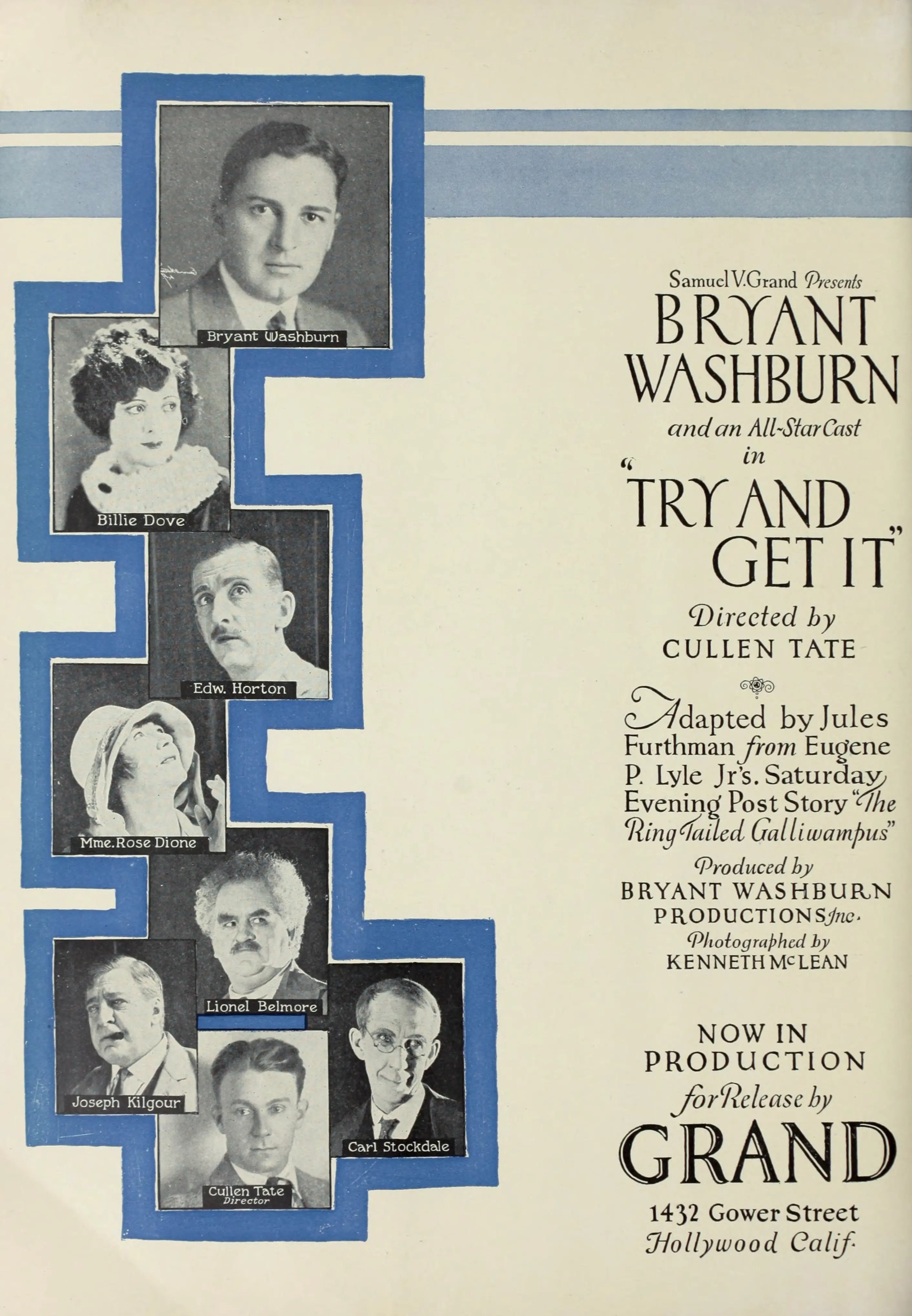
Director's Spotlight: United States
A Deep Dive into the 1924 Vision of Cullen Tate
The enduring fascination with Try and Get It is a testament to the defining moment in Drama history that Cullen Tate helped create. This film stands as a masterclass in visual storytelling, it has cemented its place in the global cult cinema archive.
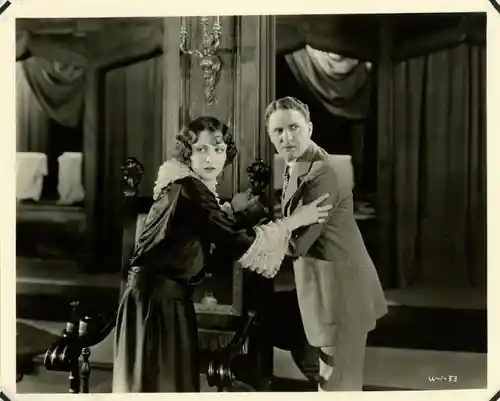
In Try and Get It, Cullen Tate pushes the boundaries of conventional narrative. The film's unique approach to its subject matter has sparked endless debates and interpretations among cinephiles and critics alike.
| Cinematography | Handheld |
| Soundtrack | Synth-Heavy |
| Editing | Disjunctive |
| Art Direction | Baroque |
Visualizing the convergence of Cullen Tate's style and the core Drama narrative.
Two young bill collectors, Joseph Merrill (Bryant Washburn) and Glenn Collins (Edward Everett Horton), must collect a debt owed by Timothy Perrin (Lionel Belmore), cement manufacturer and backer of a women's dress shop, or lose their jobs. Both are rebuffed, but Merrill's persistence wins him both Perrin's daughter Rhoda (Billie Dove) and the payment of the bill.
Decades after its release, Try and Get It remains a vital piece of the cinematic puzzle. Its influence can be seen in countless modern works, solidifying Cullen Tate's status as a master of the craft in United States and beyond.