
Cult Cinema
Cult Cinema’s Forgotten Genesis: How 50 Lost Films Sparked the First Underground Reels
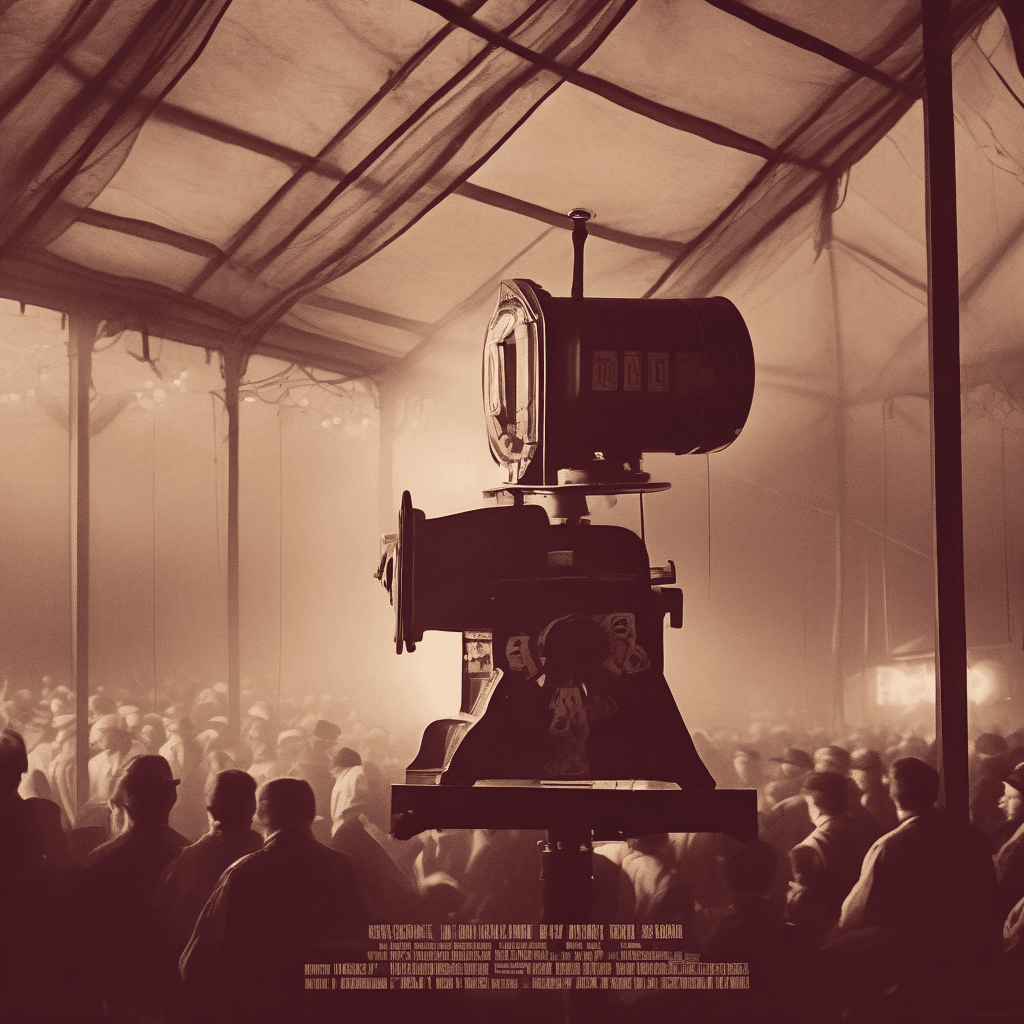
“Long before midnight movies, turn-of-the-century oddities—boxing reels, factory shorts, and patriotic spectacles—ignited the earliest cult followings and rewrote film history from the fringes.”
Introduction: The Dawn of Obsession
When modern audiences picture cult cinema they imagine costumed fans shouting callbacks at shadow-cast screenings of The Rocky Horror Picture Show or queuing for Eraserhead at midnight. Yet the true cradle of cult cinema is not the 1970s art-house circuit—it is the nickelodeon era, when brief, battered actualities and one-reel dramas toured fairgrounds, fraternal halls, and seaside piers. These flickering curios—many presumed lost—were the first films to generate whispered lore, illicit dupes, and fanatical repeat viewings. By resurrecting fifty such titles, we can trace cult cinema’s mitochondrial DNA back to the medium’s birth.
The First Reel Relics: Documenting the Unthinkable
Consider Birdseye View of Galveston, Showing Wreckage (1900). Shot weeks after a hurricane obliterated the Texas port city, the short traded in disaster voyeurism decades before CNN. Projectionists discovered that audiences would pay to see their own trauma reframed as entertainment; the reel became a regional obsession, resurfacing every anniversary like a cinematic séance. Its macabre appeal prefigures the cult of the mondo and the found-footage horror cycle by nearly a century.
Equally potent were the earliest boxing films. The Corbett-Fitzsimmons Fight (1897) ran over 100 minutes—an epic for its era—and was endlessly re-booked because fans refused to believe the result unless they witnessed the knockout themselves. Prints were trafficked across state lines, often against the wishes of civic authorities who feared the sport’s brutality. Bootleg screenings in mining camps and lumber yards became proto-midnight shows, complete with gambling side-action and live recitations of the bout’s play-by-play. The film’s notoriety birthed the first known audience cosplay: spectators wearing silk trunks to imitate their pugilist idols.
Factory Flames and Industrial Sublime
The twenty-one-film cycle Westinghouse Works (1904) was commissioned as corporate PR, yet workers clandestinely screened the reels to critique speed-ups and compare wages between plants. Prints circulated like samizdat, sometimes spliced with gag shots of foremen slipping on grease. Thus an industrial documentary morphed into an underground labor leaflet—the first known case of a film acquiring counter-cultural meaning its producers never intended, a defining trait of cult cinema.
Likewise, At Break-Neck Speed (1900) captures Massachusetts fire engines racing to a blaze. Firehouse fraternities projected the one-reeler at bachelor parties, adding live foley of clanging bells and reciting bawdy limericks over the images. The sanctioned civic document became a ribald ritual, embedding itself inside an insular subculture—another hallmark of cult fandom.
Imperial Pomp and Colonial Gaze
Colonial actualities such as Von Waldersee Reviewing Cossacks (1904) and Images de Chine (compiled 1896-1904) fascinated European audiences with visions of exotic dominion. Yet in occupied territories clandestine screenings fostered resistance: Chinese students mocked the foreign cameramen’s staging; Polish nationalists rewrote intertitles to celebrate insurgents rather than Russian generals. These re-contextualizations mirror later cult audiences subverting Reefer Madness into camp satire.
Sacred Parades and Profane Pleasures
Religious processions—De heilige bloedprocessie, A Procissão da Semana Santa—were shot to reinforce faith, but enterprising showmen paired them with risqué comedies on the same bill. Churchgoers’ outrage only increased attendance, teaching early exhibitors that controversy equals free publicity. Cult cinema still weaponizes outrage, from The Devils to A Serbian Film.
The First Long-Form Fever Dream
Europe’s earliest feature, The Prodigal Son (1904), clocked in at forty-plus minutes—an endurance test for 1900s audiences accustomed to ten-minute skits. The religious melodrama became a sensation in rural Sweden where parish halls ran it dusk-to-dawn, intercut with lantern-slide sermons. Farmers traveled by sleigh for all-night pilgrimages, sleeping in haylofts so they could re-experience the parable at sunrise. The communal sleepover screening anticipates Rocky Horror shadow-casts and Star Trek marathon fandoms.
Comedy of Errors and the Birth of Quote-Alongs
Swedish charity spoof Lika mot lika (1900) featured King Oscar II as a comedic extra. Stockholm college students memorized every intertitle and recited them in unison at charity revivals, turning the droll soirée into a proto-quote-along half a century before The Room spoon-fed us “You’re tearing me apart!”
Racing, Riots, and the Speed Addiction
Motor-sport actualities—1906 French Grand Prix, 1907 French Grand Prix—were the era’s Mad Max. Enthusiasts formed regional automobile clubs whose sole cultural activity was to re-screen the dusty cars barreling toward the horizon while adding live engine revs via washboards and kazoos. These feverish gatherings preview the midnight Death Race 2000 screenings where fans build cardboard cars and heckle the screen.
The Lost Wizardry of The Fairylogue and Radio-Plays
L. Frank Baum’s multimedia hybrid The Fairylogue and Radio-Plays (1908) blended film, slide projections, and live narration. Only Baum’s script survives; no footage has ever surfaced. Fans have spent lifetimes hunting scraps, mirroring The Day the Clown Cried or London After Midnight obsessives. The absence itself fuels cult desire—proof that what we cannot see sometimes burns brighter in the imagination.
From Street Fair to Film Canon: The Transmutation of Obscurity
By the 1910s many of these reels were already obsolete, replaced by longer narratives and star systems. Yet they survived through three cultic vectors:
- Private Clubs: Railroad and Masonic lodges kept 16mm dupes to spice up initiation rites.
- Itinerant Showmen: Carnival barkers projected boxing reels atop beer halls between burlesque acts.
- Collectors’ Mythology: Urban legends claimed certain films were cursed—La neuropatologia allegedly drove projectionists insane after repeated viewing of asylum patients’ convulsions.
Why These 50 Films Still Matter
They established the four pillars of cult cinema:
- Transgression: Boxing films defied censorship; disaster reels reveled in schadenfreude.
- Reappropriation: Workers flipped Westinghouse propaganda into union agit-prop.
- Communal Ritual: Fans chanted, cosplayed, and rewrote intertitles.
- Disappearing Object: The lost Fairylogue proves absence can be more seductive than presence.
Modern Echoes: How Early DNA Survives
Contemporary cultists still chase these sensations. Found-footage horror like Antrum mimics the frisson of La neuropatologia; disaster memes on TikTok replicate the lurid appeal of Birdseye View of Galveston; live podcasts dissect vanished media à la Fairylogue. The only difference is that today’s prints are pixels, not nitrate.
Conclusion: The Perennial Flicker
Cult cinema was never about production budgets or star power; it was always about the alchemical moment when a film escapes its creators and colonizes the hearts of a fervent few. These fifty forgotten reels prove that the first projector’s beam was already a transgressive lighthouse, summoning misfits to gather in the dark and declare: this flickering shard belongs to us. As long as there are screens and solitary souls willing to fetishize the obscure, the cult will be reborn—one vanished film at a time.
Community
Comments
Log in to comment.
Loading comments…