
DbcultAccessing Vault...
Director's Spotlight
Senior Film Conservator
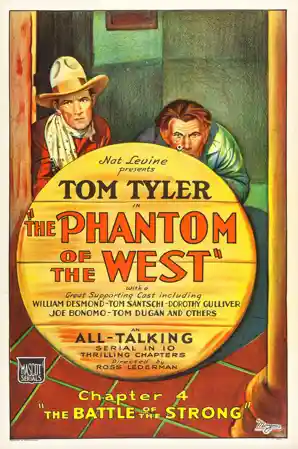
Director's Spotlight: United States
A Deep Dive into the 1930 Vision of D. Ross Lederman
The Drama DNA of The Phantom of the West is a reflection of United States's the historical context that D. Ross Lederman weaves into the Drama fabric. Challenging the viewer to find meaning in the Drama shadows, it transcends regional boundaries to tell a universal story.
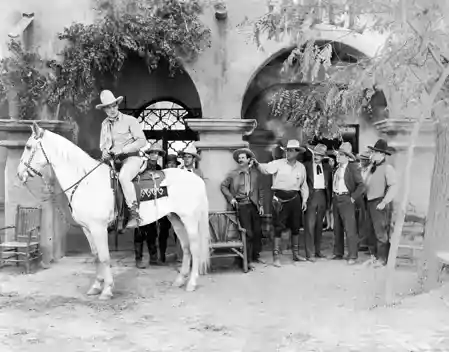
In The Phantom of the West, D. Ross Lederman pushes the boundaries of conventional narrative. The film's unique approach to its subject matter has sparked endless debates and interpretations among cinephiles and critics alike.
| Cinematography | Static |
| Soundtrack | Synth-Heavy |
| Editing | Disjunctive |
| Art Direction | Baroque |
Visualizing the convergence of D. Ross Lederman's style and the core Drama narrative.
A young man's father is murdered and the man convicted of the crime escapes prison, leaving a note intimating that seven local men know the real killer's true identity. The murdered man's son sets out to locate the seven men and find his father's slayer.
Decades after its release, The Phantom of the West remains a vital piece of the cinematic puzzle. Its influence can be seen in countless modern works, solidifying D. Ross Lederman's status as a master of the craft in United States and beyond.