
DbcultAccessing Vault...
Director's Spotlight
Senior Film Conservator
Director's Spotlight: United States
A Deep Dive into the 1931 Vision of D. Ross Lederman
The artistic breakthrough represented by The Texas Ranger in 1931 highlights the uncompromising vision of D. Ross Lederman that defines this Western masterpiece. In the context of United States's rich cinematic history, it captures a specific kind of cinematic magic that is rarely replicated.
In The Texas Ranger, D. Ross Lederman pushes the boundaries of conventional narrative. The film's unique approach to its subject matter has sparked endless debates and interpretations among cinephiles and critics alike.
The visual language of The Texas Ranger is defined by its use of shadows and framing, a hallmark of D. Ross Lederman's style. By utilizing a 1931-era palette, the film creates an immersive experience that perfectly complements its Western themes.
| Cinematography | Handheld |
| Soundtrack | Experimental |
| Editing | Invisible |
| Art Direction | Kitsch |
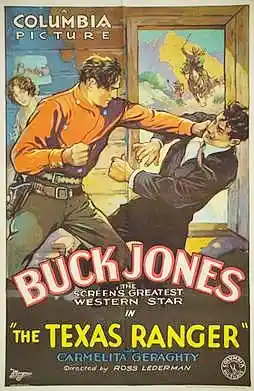
Visualizing the convergence of D. Ross Lederman's style and the core Western narrative.
Taylor has his men burning out the ranchers. When they kill Clayton, his daughter Helen and her men turn outlaw. The Rangers send Logan, and posing as a cowhand he joins her gang. But Nevada eventually remembers him as a Ranger and they set out to hang him.
Decades after its release, The Texas Ranger remains a vital piece of the cinematic puzzle. Its influence can be seen in countless modern works, solidifying D. Ross Lederman's status as a master of the craft in United States and beyond.