
DbcultAccessing Vault...
Director's Spotlight
Senior Film Conservator
Director's Spotlight: United States
A Deep Dive into the 1936 Vision of Dave Fleischer
When we examine the cinematic landscape of United States, I Wanna Be a Life Guard emerges as a landmark work of the enduring legacy of Dave Fleischer's artistic contribution to the genre. Through a lens of existential fatalism and Short tropes, it captures a specific kind of cinematic magic that is rarely replicated.
In I Wanna Be a Life Guard, Dave Fleischer pushes the boundaries of conventional narrative. The film's unique approach to its subject matter has sparked endless debates and interpretations among cinephiles and critics alike.
In this work, Dave Fleischer explores the intersection of Short and United States cultural identity. The meticulous attention to detail suggests a deep-seated commitment to pushing the boundaries of the medium, ensuring that I Wanna Be a Life Guard remains a relevant topic of study for Short enthusiasts.
| Cinematography | Deep Focus |
| Soundtrack | Experimental |
| Editing | Elliptical |
| Art Direction | Expressionist |
Visualizing the convergence of Dave Fleischer's style and the core Short narrative.
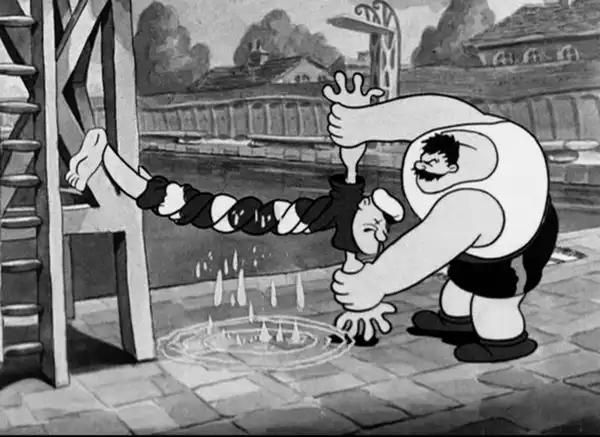
Popeye applies for a lifeguard job when he sees Olive in the pool, but Bluto also wants the job (and Olive). The manager, Wimpy, asks them to demonstrate their skills in a contest. Popeye does well, until Bluto demonstrates lifesaving and first aid on him.
Decades after its release, I Wanna Be a Life Guard remains a vital piece of the cinematic puzzle. Its influence can be seen in countless modern works, solidifying Dave Fleischer's status as a master of the craft in United States and beyond.