
DbcultAccessing Vault...
Director's Spotlight
Senior Film Conservator
Director's Spotlight: United States
A Deep Dive into the 1936 Vision of David Hand
The Short DNA of Mother Pluto is a reflection of United States's the subversive storytelling techniques employed by David Hand in 1936. Breaking the traditional rules of Short engagement, it leaves an indelible mark on the soul of the viewer.
In Mother Pluto, David Hand pushes the boundaries of conventional narrative. The film's unique approach to its subject matter has sparked endless debates and interpretations among cinephiles and critics alike.
| Cinematography | Static |
| Soundtrack | Experimental |
| Editing | Invisible |
| Art Direction | Kitsch |
Visualizing the convergence of David Hand's style and the core Short narrative.
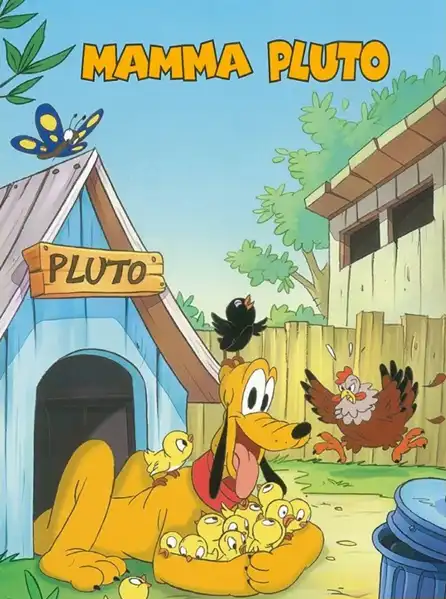
A hen has taken up residence in Pluto's doghouse and laid her eggs. She steps out; Pluto comes home and the eggs all hatch, and the chicks take Pluto for mommy and won't let go. Then a grasshopper comes along, and all the chicks chase after it. Pluto tries to sneak off, but the chick that swallowed the hopper comes hopping along and bumps into Pluto. He feels sorry for it and is soon overrun by chicks again. He helps them scratch up a worm. The hen returns and argues with Pluto over the babies. She brings the rooster into the argument. While they fight, the babies run to the doghouse. Pluto wins and settles in, sad to see the chicks go without realizing they're hiding in the straw all around him. When they emerge, he's happy.
Decades after its release, Mother Pluto remains a vital piece of the cinematic puzzle. Its influence can be seen in countless modern works, solidifying David Hand's status as a master of the craft in United States and beyond.