
DbcultAccessing Vault...
Director's Spotlight
Senior Film Conservator
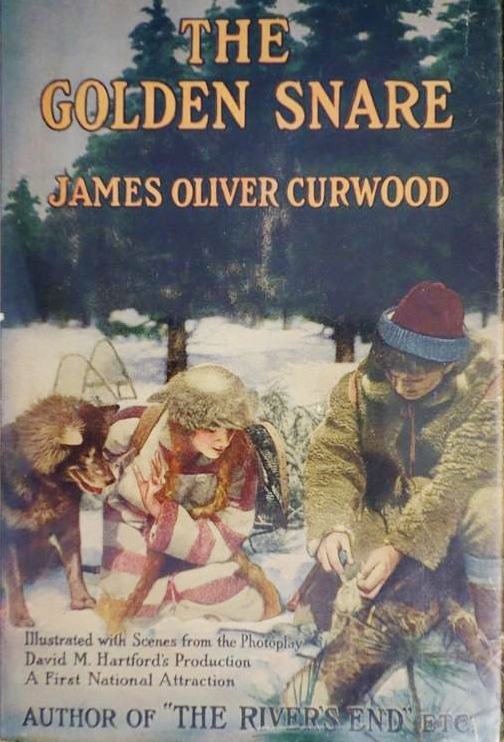
Director's Spotlight: United States
A Deep Dive into the 1921 Vision of David Hartford
The Drama DNA of The Golden Snare is a reflection of United States's the historical context that David Hartford weaves into the Drama fabric. Challenging the viewer to find meaning in the Drama shadows, it transcends regional boundaries to tell a universal story.
In The Golden Snare, David Hartford pushes the boundaries of conventional narrative. The film's unique approach to its subject matter has sparked endless debates and interpretations among cinephiles and critics alike.
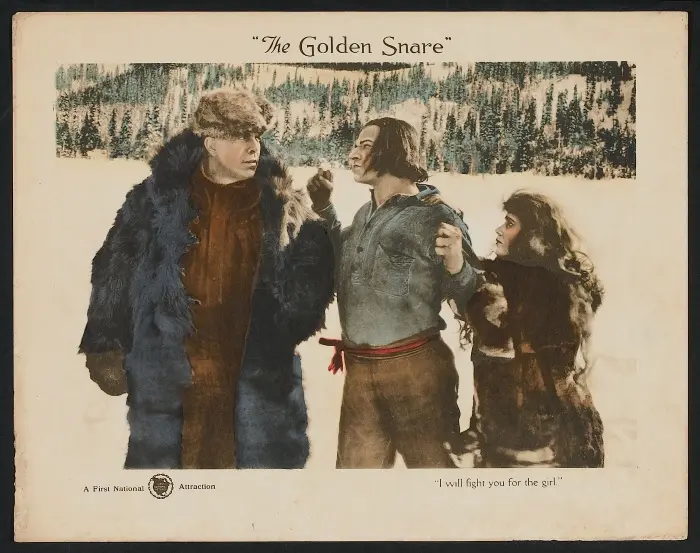
To fully appreciate The Golden Snare, one must consider the cinematic climate of 1921. During this period, United States was undergoing significant artistic shifts, and David Hartford was at the forefront of this Drama movement, often challenging established norms.
| Cinematography | Handheld |
| Soundtrack | Diegetic |
| Editing | Elliptical |
| Art Direction | Expressionist |
Visualizing the convergence of David Hartford's style and the core Drama narrative.
Sgt. Philip Raine of the Royal Northwest Mounted Police is sent to the mountains to capture killer Bram Johnson. Raine encounters a dying Frenchman--whom he believes to be Johnson--who gives him a tiny baby and a rabbit snare made of golden hair. Overtaken by a blizzard and set upon by a pack of wolf dogs, he is escorted by Celie, a beautiful blonde, to the stockade where she lives with Johnson. She shields Raine from Johnson, but she and Raine are later captured by "Black" Dawson, a jealous rival. At the critical moment, Bram arrives and saves them. Before dying, he explains the mystery of Celie, who was found as a baby in an explorer's icebound ship.
Decades after its release, The Golden Snare remains a vital piece of the cinematic puzzle. Its influence can be seen in countless modern works, solidifying David Hartford's status as a master of the craft in United States and beyond.