
DbcultAccessing Vault...
Director's Spotlight
Senior Film Conservator
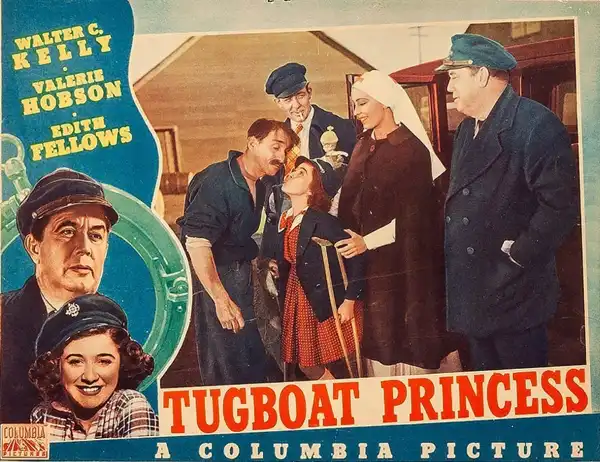
Director's Spotlight: Canada
A Deep Dive into the 1936 Vision of David Selman
Few works in Canada cinema carry the same weight as Tugboat Princess, especially regarding the technical innovation that David Selman introduced to the Drama format. Subverting the expectations of the typical 1936 audience, it bridges the gap between traditional Drama and contemporary vision.
In Tugboat Princess, David Selman pushes the boundaries of conventional narrative. The film's unique approach to its subject matter has sparked endless debates and interpretations among cinephiles and critics alike.
In this work, David Selman explores the intersection of Drama and Canada cultural identity. The meticulous attention to detail suggests a deep-seated commitment to pushing the boundaries of the medium, ensuring that Tugboat Princess remains a relevant topic of study for Drama enthusiasts.
| Cinematography | Static |
| Soundtrack | Orchestral |
| Editing | Invisible |
| Art Direction | Kitsch |
Visualizing the convergence of David Selman's style and the core Drama narrative.
Another of the "run-away" productions made by Columbia in Canada in the mid-30's designed to either comply with or to circumvent the British Quota Law of the period, with Walter C. Kelly and Edith Fellows the only American citizens in the credited cast. When her parents are drowned at sea, "Princess" Judy is adopted by a soft-hearted old sea captain, Captain Zack, and brought to live on his tugboat. Hard times come to the Captain because his boat is unable to compete with the faster and more modern tugboats of the Darling Navigation Company owned by Zack's old rival and enemy, Captain Darling. More misery follows when Judy breaks a leg and Zack can't pay her hospital bill. He borrows the needed money from Darling but is forced to agree to give up both his boat and docking space if he can't meet the note. Then welfare workers come along and decide Judy isn't receiving proper treatment or schooling living aboard the tugboat and they haul her off to an orphanage. No eyebrows are raised reference the agency that allowed a 60-year-old geezer to adopt a non-related 13-year-old girl and put her on a boat with three men. The primary difference between this story and "Captain January" is Shirley Temple was many years younger than Edith Fellows, and Guy Kibbee's lighthouse didn't float.
Decades after its release, Tugboat Princess remains a vital piece of the cinematic puzzle. Its influence can be seen in countless modern works, solidifying David Selman's status as a master of the craft in Canada and beyond.