
DbcultAccessing Vault...
Director's Spotlight
Senior Film Conservator
Director's Spotlight: United States
A Deep Dive into the 1919 Vision of David Smith
Few works in United States cinema carry the same weight as A Yankee Princess, especially regarding the technical innovation that David Smith introduced to the cult format. Subverting the expectations of the typical 1919 audience, it bridges the gap between traditional cult and contemporary vision.
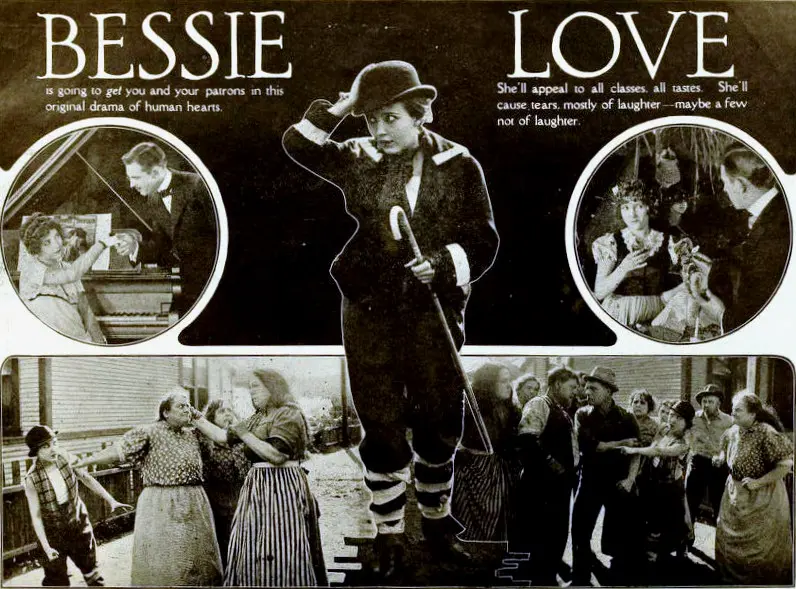
In A Yankee Princess, David Smith pushes the boundaries of conventional narrative. The film's unique approach to its subject matter has sparked endless debates and interpretations among cinephiles and critics alike.
| Cinematography | Static |
| Soundtrack | Orchestral |
| Editing | Slow-Burn |
| Art Direction | Brutalist |
Visualizing the convergence of David Smith's style and the core cult narrative.
Ragged Patsy O'Reilly imagines herself as the descendant of Irish nobility. When her father, an impoverished contractor, invents an ore crusher, the family suddenly becomes wealthy and moves to New York City. Patsy is enrolled in a finishing school, and her parents tour Ireland, where they purchase, at their daughter's request, a coat-of-arms from the bankrupt Lord Windbourne family. After the O'Reillys return to the U.S., they are visited by Lady Windbourne and her son, the Lord, who do not mention that the adopted coat-of-arms is their own. Lord Windbourne becomes engaged to Patsy, but is later revealed as an impostor by the true heir to the Windbourne line, Larry Burke, an English officer. Larry marries Patsy and gives her an authentic ancestral name and coat-of-arms.
Decades after its release, A Yankee Princess remains a vital piece of the cinematic puzzle. Its influence can be seen in countless modern works, solidifying David Smith's status as a master of the craft in United States and beyond.