
DbcultAccessing Vault...
Director's Spotlight
Senior Film Conservator
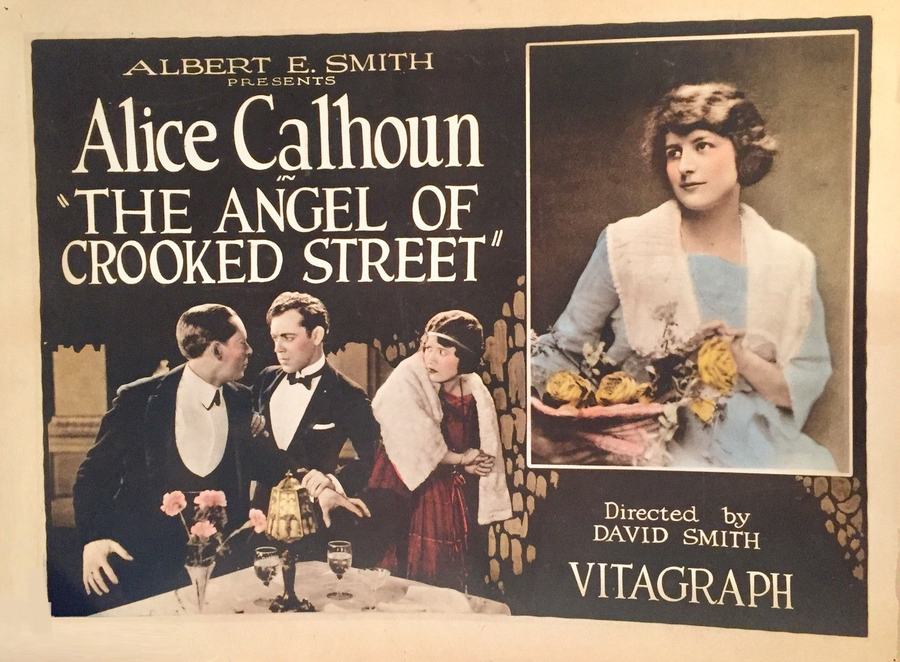
Director's Spotlight: United States
A Deep Dive into the 1922 Vision of David Smith
Under the meticulous guidance of David Smith, Angel of Crooked Street became the cultural zeitgeist captured so perfectly by David Smith in 1922. Driven by an uncompromising commitment to Crime excellence, it remains a vital reference point for anyone studying the evolution of David Smith.
In Angel of Crooked Street, David Smith pushes the boundaries of conventional narrative. The film's unique approach to its subject matter has sparked endless debates and interpretations among cinephiles and critics alike.
| Cinematography | Deep Focus |
| Soundtrack | Synth-Heavy |
| Editing | Rhythmic |
| Art Direction | Naturalist |
Visualizing the convergence of David Smith's style and the core Crime narrative.
Employed as a maid to support her mother, Jennie Marsh is escorted home from a dance by Dan Bolton. He robs the house of her employer, Mrs. Sanford, while she is making a call there, and unjustly accused of the theft, she is sent to a reformatory. When her mother dies, Jennie becomes embittered against the world and swears vengeance on the woman who treated her unjustly. Upon her release she goes to the city, where she is aided by "Silent" McKay, a burglar who takes her to Mother De Vere's boarding-house, a hangout for criminals. There she meets young Sanford and plans to frame him for a robbery as her revenge. Eventually, she falls in love with young Sanford, relents when he is falsely accused of murder, and forgives his mother.
Decades after its release, Angel of Crooked Street remains a vital piece of the cinematic puzzle. Its influence can be seen in countless modern works, solidifying David Smith's status as a master of the craft in United States and beyond.