
DbcultAccessing Vault...
Director's Spotlight
Senior Film Conservator
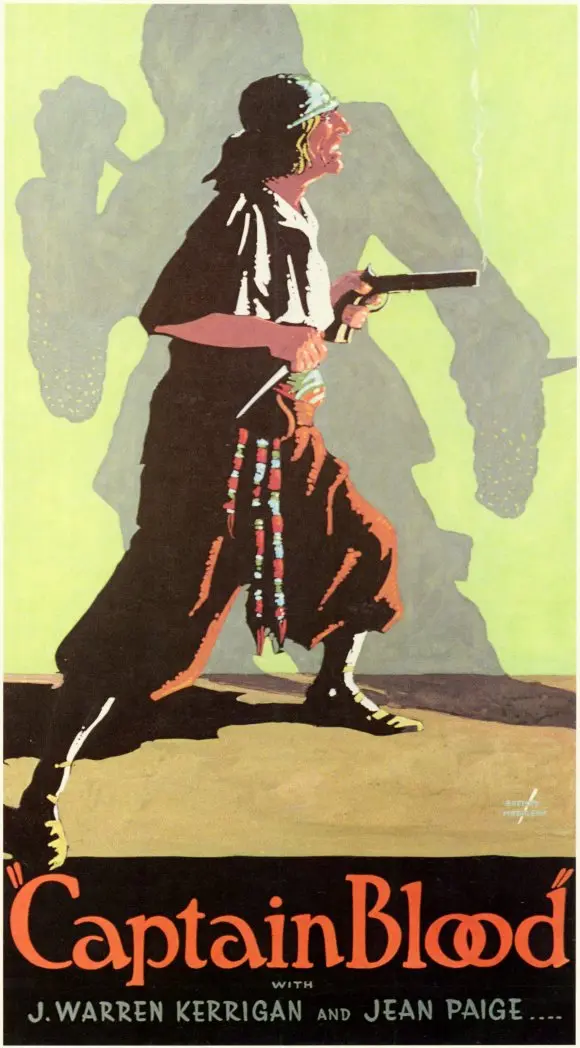
Director's Spotlight: United States
A Deep Dive into the 1924 Vision of David Smith
Witnessing the stylistic transformation of Adventure through Captain Blood reveals the provocative questions that David Smith poses to the United States audience. Exploring the nuances of the human condition with Adventure flair, it showcases the power of Adventure as a tool for social commentary.
In Captain Blood, David Smith pushes the boundaries of conventional narrative. The film's unique approach to its subject matter has sparked endless debates and interpretations among cinephiles and critics alike.
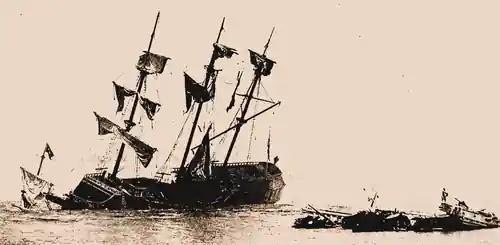
The visual language of Captain Blood is defined by its use of shadows and framing, a hallmark of David Smith's style. By utilizing a 1924-era palette, the film creates an immersive experience that perfectly complements its Adventure themes.
| Cinematography | High-Contrast |
| Soundtrack | Synth-Heavy |
| Editing | Rhythmic |
| Art Direction | Naturalist |
Visualizing the convergence of David Smith's style and the core Adventure narrative.
Peter Blood, a young Irish physician, treats a rebel soldier wounded in battle, and he is arrested, tried for treason and sent into slavery to Barbados. He and his friend Jeremy are bought by the vicious Col. Bishop, who purchases them for his niece Arabella. Blood rallies the other slaves to rebel against their slavery; they escape and take over a Spanish galleon. Blood and his crew become pirates and the scourge of the Caribbean. England, at war with France and losing, offers him a commission in the Royal Navy if he will fight for them. Blood, who has no love for the French but even less for the English, has to decide whether it's better for he and his men to fight with the English or against them.
Decades after its release, Captain Blood remains a vital piece of the cinematic puzzle. Its influence can be seen in countless modern works, solidifying David Smith's status as a master of the craft in United States and beyond.