
DbcultAccessing Vault...
Director's Spotlight
Senior Film Conservator
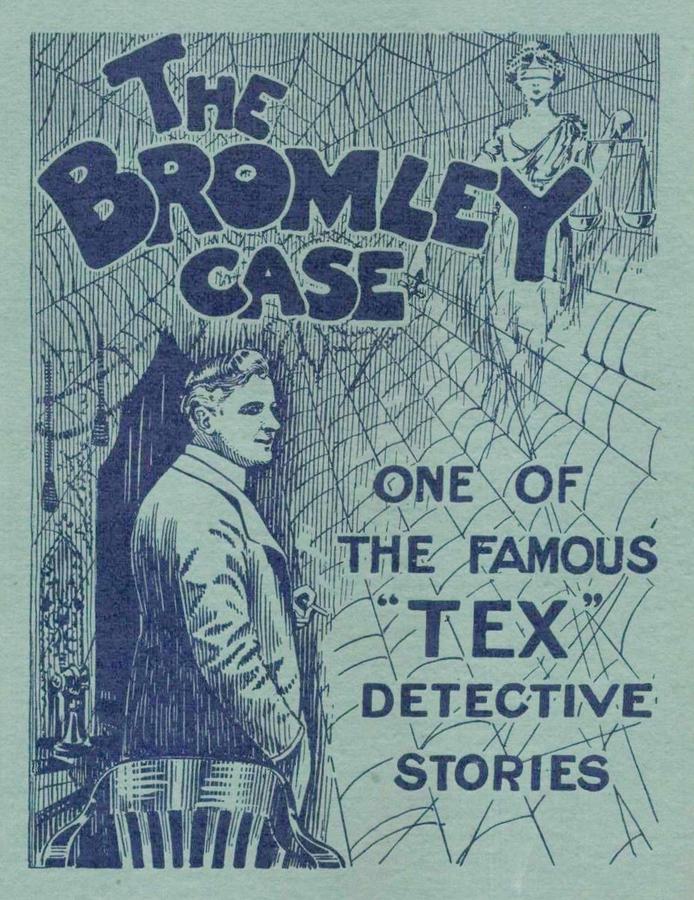
Director's Spotlight: United States
A Deep Dive into the 1920 Vision of David Wall
The thematic gravity of The Bromley Case (1920) is rooted in the historical context that David Wall weaves into the Mystery fabric. Synthesizing the best elements of United States and international cinema, it highlights the importance of independent voices in United States.
In The Bromley Case, David Wall pushes the boundaries of conventional narrative. The film's unique approach to its subject matter has sparked endless debates and interpretations among cinephiles and critics alike.
While deeply rooted in United States, The Bromley Case has achieved a global reach, influencing directors from various backgrounds. Its ability to translate Mystery tropes into a universal cinematic language is why it remains a cult staple decades after its 1920 release.
| Cinematography | Handheld |
| Soundtrack | Experimental |
| Editing | Invisible |
| Art Direction | Kitsch |
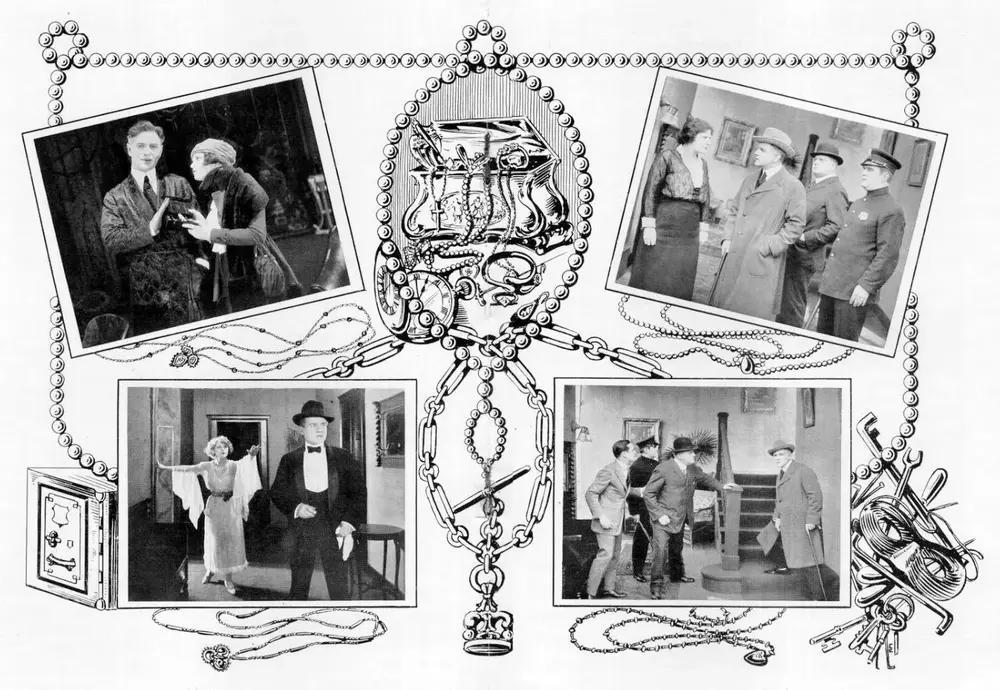
Visualizing the convergence of David Wall's style and the core Mystery narrative.
John Bromley Jr., an inveterate gambler, becomes so overwhelmed with debt that he is forced to steal from his wealthy father's safe. The night of the robbery he breaks into his father's house with Harvey Knowles, the gambler to whom he is indebted. The next morning, Bromley Sr. is found murdered and Tex, a noted criminologist, is brought in to solve the crime. At first, John Jr. is accused, then the guilt shifts to Bromley's other son Bruce, who had just been fired by his father. Also under suspicion is Frances Belmore, a woman of ill repute who had attempted to ensnare Bromley. Finally, all three are cleared when Tex discovers that the butler did it while attempting to abscond with the contents of the safe.
Decades after its release, The Bromley Case remains a vital piece of the cinematic puzzle. Its influence can be seen in countless modern works, solidifying David Wall's status as a master of the craft in United States and beyond.