
DbcultAccessing Vault...
Director's Spotlight
Senior Film Conservator
Director's Spotlight: United States
A Deep Dive into the 1935 Vision of Deane H. Dickason
Analyzing Poetic Gem: Boyhood (1935) requires a deep dive into the unique directorial voice that Deane H. Dickason brought to the screen. By challenging the status quo of 1935 cinema, it continues to spark endless debates among critics and cinephiles alike.
In Poetic Gem: Boyhood, Deane H. Dickason pushes the boundaries of conventional narrative. The film's unique approach to its subject matter has sparked endless debates and interpretations among cinephiles and critics alike.
| Cinematography | High-Contrast |
| Soundtrack | Minimalist |
| Editing | Slow-Burn |
| Art Direction | Brutalist |
Visualizing the convergence of Deane H. Dickason's style and the core Short narrative.
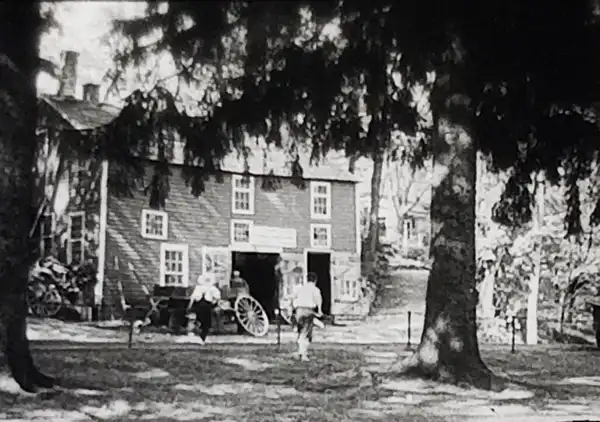
Based on the Edgar A. Guest poem "Boywood," the scenes are in New England with three boys enacting the (then) activities of childhood. They wander through the woods, over the fields, and down to the old swimming hole. Norman Brokenshire narrates the poems and the activities, while Al Shayne sings a special song written around the poem called "Down the Lane to Yesterday."
Decades after its release, Poetic Gem: Boyhood remains a vital piece of the cinematic puzzle. Its influence can be seen in countless modern works, solidifying Deane H. Dickason's status as a master of the craft in United States and beyond.