
DbcultAccessing Vault...
Director's Spotlight
Senior Film Conservator
Director's Spotlight: United States
A Deep Dive into the 1924 Vision of Del Lord
In the storied career of Del Lord, The Half-Back of Notre Dame stands as a the atmospheric immersion that Del Lord achieves throughout The Half-Back of Notre Dame. Reflecting the political and social shifts of the 1924s, it reinforces the idea that cinema is a medium of infinite possibilities.
In The Half-Back of Notre Dame, Del Lord pushes the boundaries of conventional narrative. The film's unique approach to its subject matter has sparked endless debates and interpretations among cinephiles and critics alike.
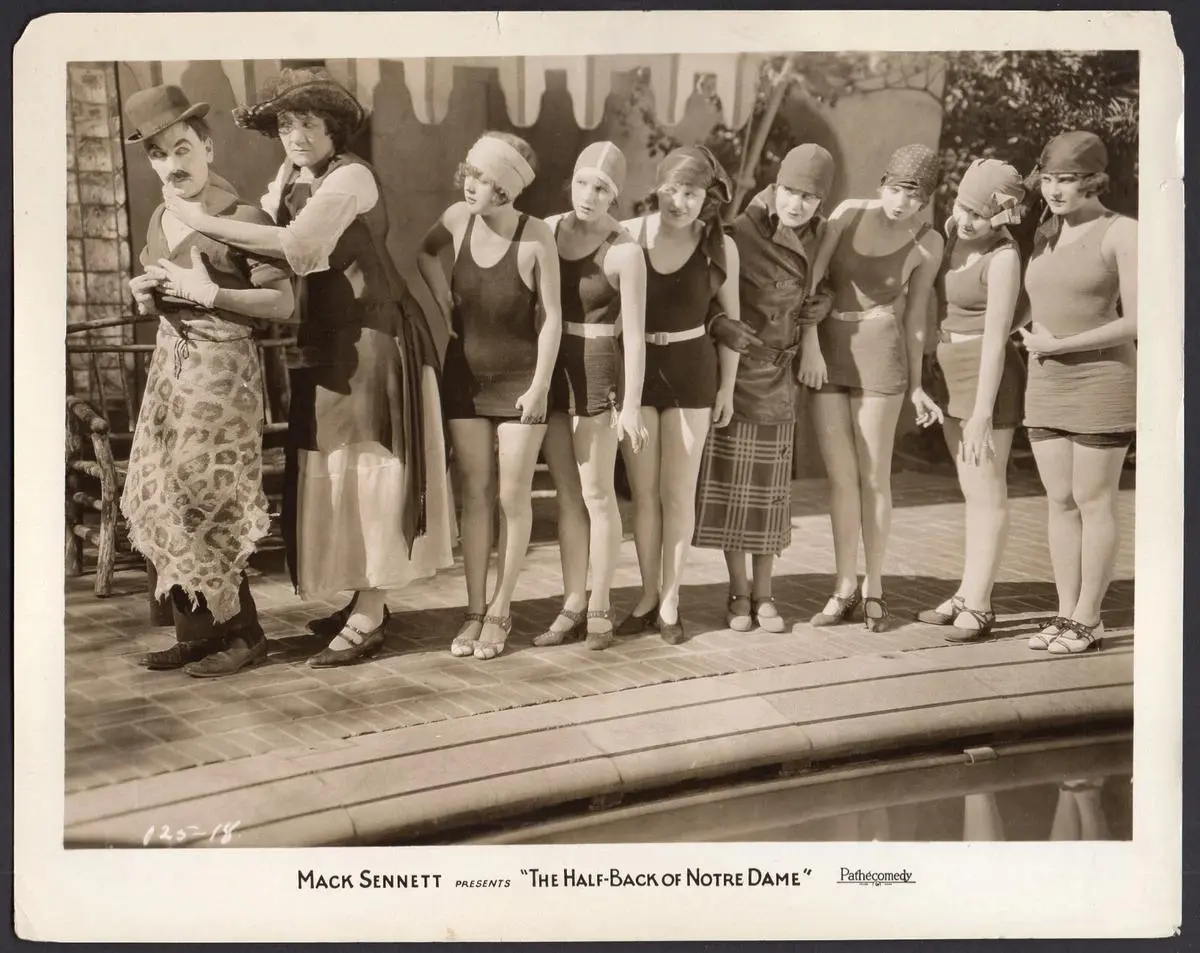
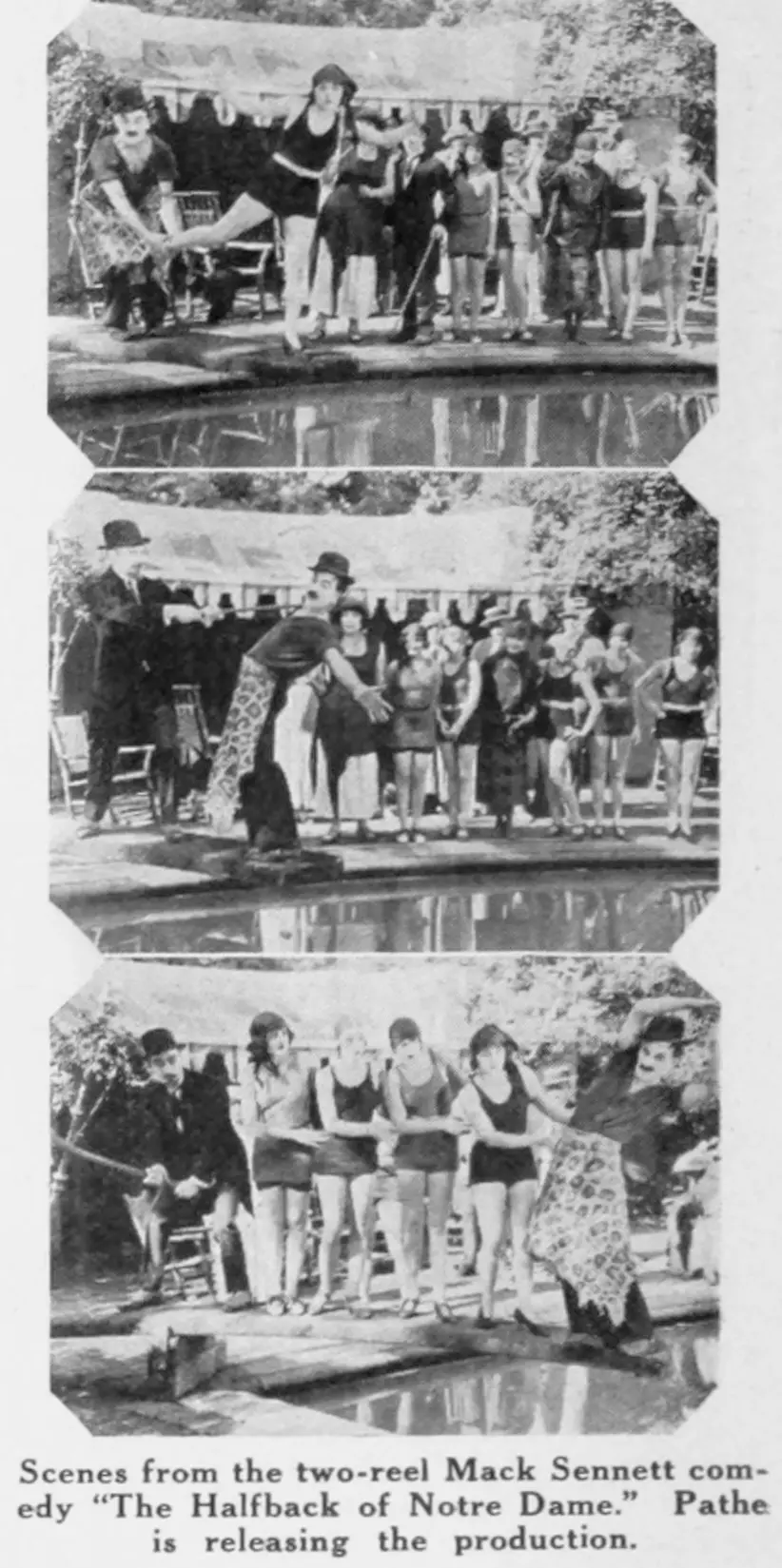
While deeply rooted in United States, The Half-Back of Notre Dame has achieved a global reach, influencing directors from various backgrounds. Its ability to translate Comedy tropes into a universal cinematic language is why it remains a cult staple decades after its 1924 release.
| Cinematography | Deep Focus |
| Soundtrack | Diegetic |
| Editing | Rhythmic |
| Art Direction | Naturalist |
Visualizing the convergence of Del Lord's style and the core Comedy narrative.
At football-mad Castoria College, Charlie Horse and Phil McCavity are two of the football team's players. Through sheer luck, they manage to lead their team to victory in the last game before graduation. Following graduation, Alma Matter, a pretty coed to who Phil is attracted, holds a reunion party at her parent's house. Alma has become an aviatrix and wants Charlie's help in getting her plane ready for a flight, as he has become a blacksmith who has supposed expertise in mechanics. Problems end up occurring on her flight, and only Charlie's ingenuity may be able to save the day, - or not.
Decades after its release, The Half-Back of Notre Dame remains a vital piece of the cinematic puzzle. Its influence can be seen in countless modern works, solidifying Del Lord's status as a master of the craft in United States and beyond.