
DbcultAccessing Vault...
Director's Spotlight
Senior Film Conservator
Director's Spotlight: United States
A Deep Dive into the 1920 Vision of Dell Henderson
Analyzing The Dead Line (1920) requires a deep dive into the defining moment in Action history that Dell Henderson helped create. Defining a new era of United States artistic expression, it transcends regional boundaries to tell a universal story.
In The Dead Line, Dell Henderson pushes the boundaries of conventional narrative. The film's unique approach to its subject matter has sparked endless debates and interpretations among cinephiles and critics alike.
To fully appreciate The Dead Line, one must consider the cinematic climate of 1920. During this period, United States was undergoing significant artistic shifts, and Dell Henderson was at the forefront of this Action movement, often challenging established norms.
| Cinematography | Deep Focus |
| Soundtrack | Experimental |
| Editing | Elliptical |
| Art Direction | Expressionist |
Visualizing the convergence of Dell Henderson's style and the core Action narrative.
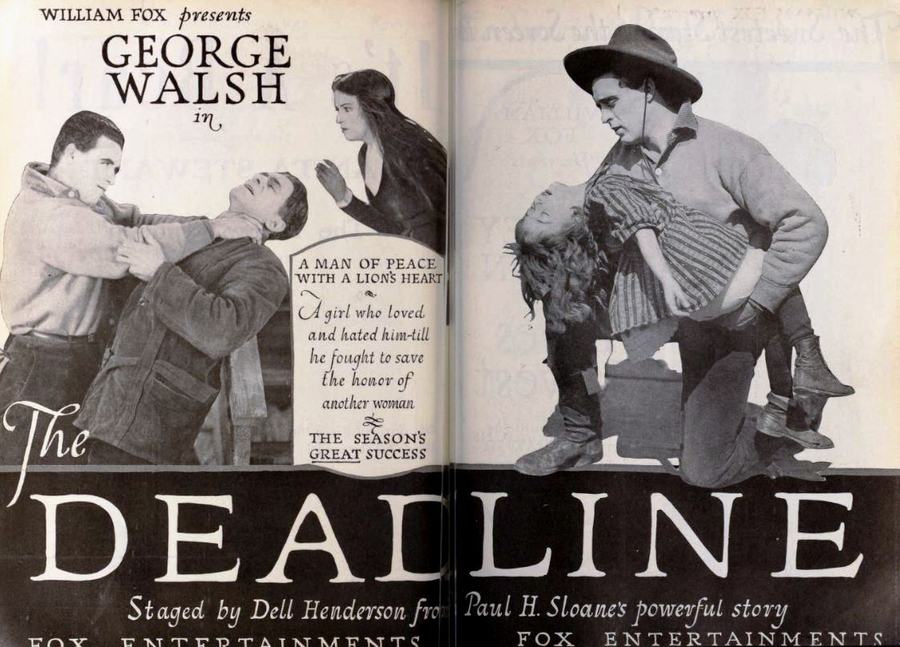
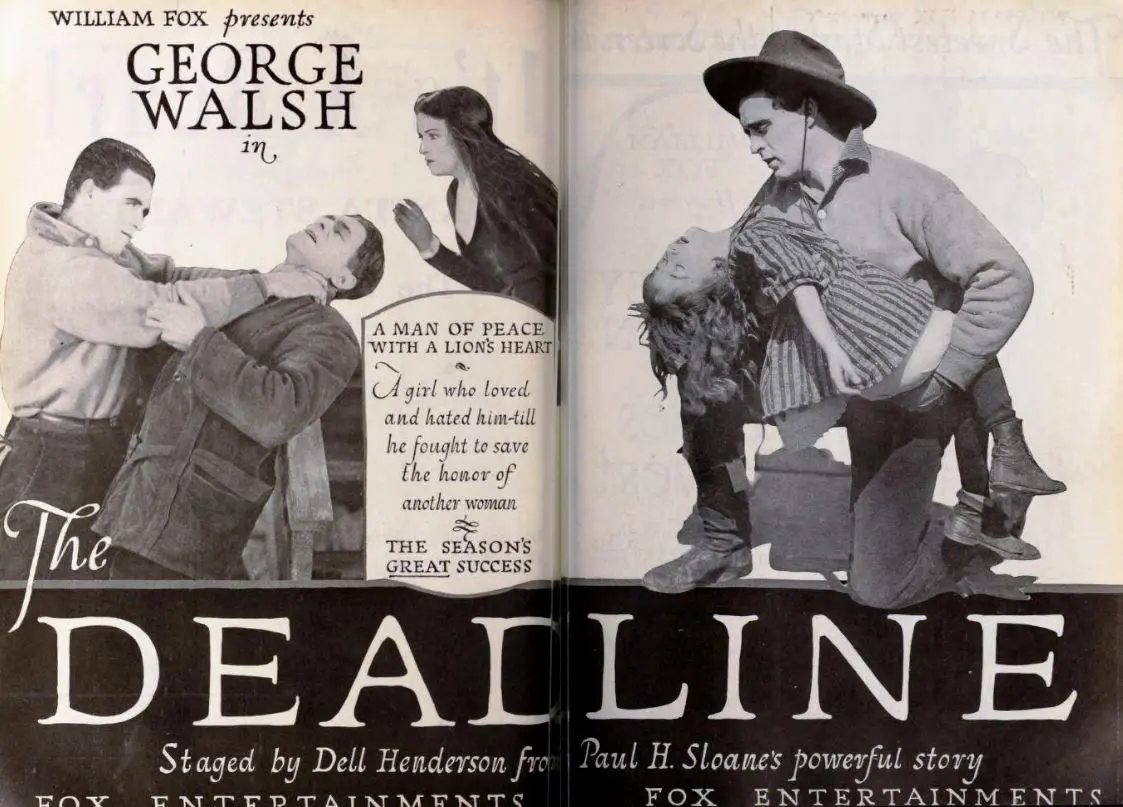
Although a feud between the Harlan and Boone families has been raging for years, Mollie Powell, the Harlan's stepdaughter, is secretly in love with Clay Boone. When a young member of the Boone clan is killed during one of the battles, Clay vows that he will never touch a gun again. Branded a coward by the other mountaineers, Clay keeps his oath until Buck Gomery, one of the moonshiners, attacks Julia Weston, the daughter of another moonshiner. Clay comes to Julia's defense, and during the fight the Harlans are arrested and jailed, thus freeing Clay and Mollie to live their lives together in peace.
Decades after its release, The Dead Line remains a vital piece of the cinematic puzzle. Its influence can be seen in countless modern works, solidifying Dell Henderson's status as a master of the craft in United States and beyond.