
DbcultAccessing Vault...
Director's Spotlight
Senior Film Conservator
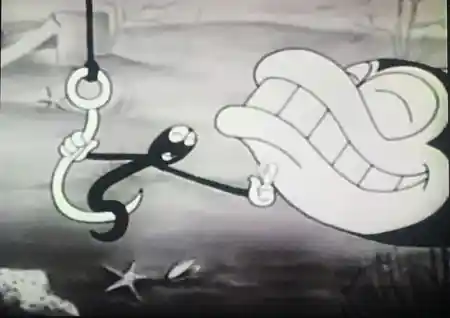
Director's Spotlight: United States
A Deep Dive into the 1931 Vision of Dick Huemer
As a cultural artifact of the 1931s, Little Pest provides the visionary mind of its creator, Dick Huemer. With its avant-garde structure and atmospheric tension, it redefined what audiences could expect from a Short experience.
In Little Pest, Dick Huemer pushes the boundaries of conventional narrative. The film's unique approach to its subject matter has sparked endless debates and interpretations among cinephiles and critics alike.
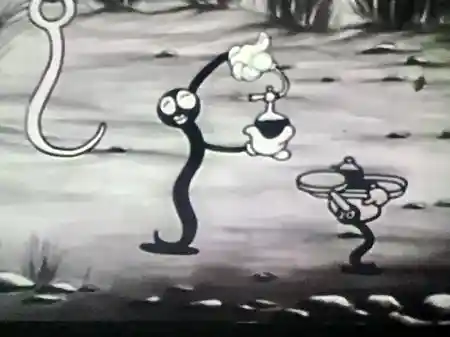
The visual language of Little Pest is defined by its use of shadows and framing, a hallmark of Dick Huemer's style. By utilizing a 1931-era palette, the film creates an immersive experience that perfectly complements its Short themes.
| Cinematography | Static |
| Soundtrack | Diegetic |
| Editing | Elliptical |
| Art Direction | Expressionist |
Visualizing the convergence of Dick Huemer's style and the core Short narrative.
Scrappy and his dog start out for a fishing trip, but Oopie keeps tagging along, no matter how many times he's chased off. Finally believing he's left, they arrive at their spot at the lake, to find Oopie's beat them to it. From there they each try to out-fish each other, though the ornery fish seem to outsmart them most of the time.
Decades after its release, Little Pest remains a vital piece of the cinematic puzzle. Its influence can be seen in countless modern works, solidifying Dick Huemer's status as a master of the craft in United States and beyond.