
DbcultAccessing Vault...
Director's Spotlight
Senior Film Conservator
Director's Spotlight: United States
A Deep Dive into the 1919 Vision of Donald Crisp
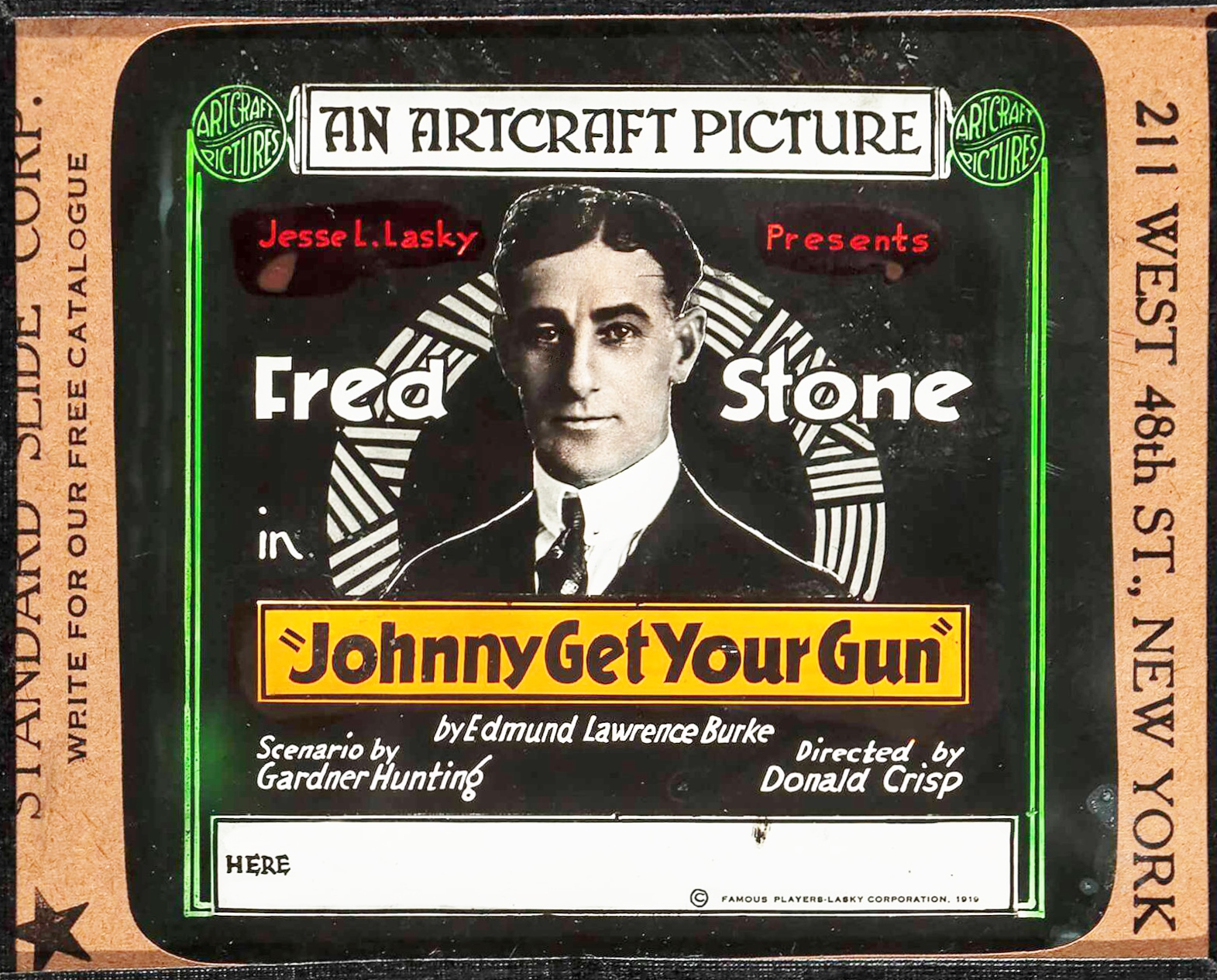
The 1919 release of Johnny Get Your Gun marked a significant moment for the stylistic boundaries pushed by Donald Crisp during the production. In the context of United States's rich cinematic history, it invites us to question our own perceptions of cult narratives.
In Johnny Get Your Gun, Donald Crisp pushes the boundaries of conventional narrative. The film's unique approach to its subject matter has sparked endless debates and interpretations among cinephiles and critics alike.
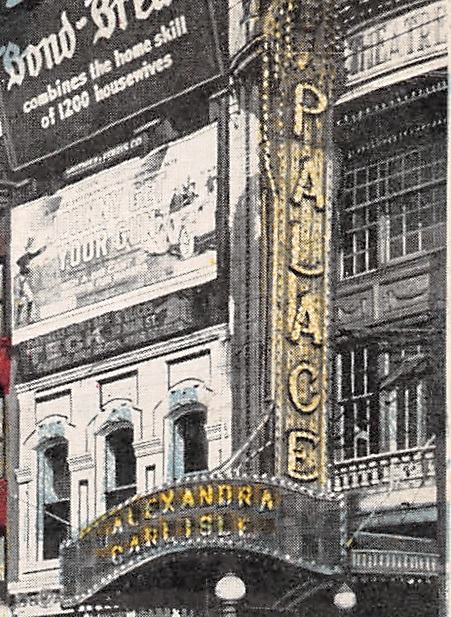
In this work, Donald Crisp explores the intersection of cult and United States cultural identity. The meticulous attention to detail suggests a deep-seated commitment to pushing the boundaries of the medium, ensuring that Johnny Get Your Gun remains a relevant topic of study for cult enthusiasts.
| Cinematography | Static |
| Soundtrack | Orchestral |
| Editing | Invisible |
| Art Direction | Kitsch |
Visualizing the convergence of Donald Crisp's style and the core cult narrative.
While Bill Burnham is jailed for drunkenly shooting up the town, he receives a letter saying that his father has died, his sister Janet is about to marry a worthless count, and the family fortune is in danger. Unable to leave, he convinces his friend, Johnny Wiggins, a motion picture cowboy, to go to his home in Palm Beach, which Bill left as a boy, and impersonate him. Although Johnny's Western manner irritates Janet and her aunt, they put up with him because Bill's sanction for Janet's marriage is needed for her to receive her inheritance. When the count discovers that Johnny is not Bill, he tries to elope with Janet, but is prevented when Johnny lassoes him from his moving automobile. After Johnny forces crooked broker Milton C. Milton, at gunpoint, to make restitution for the losses Janet suffered through Milton's bad stock investments, Johnny marries Ruth, the maid, and leaves, promising that when Bill returns, things will get livelier.
Decades after its release, Johnny Get Your Gun remains a vital piece of the cinematic puzzle. Its influence can be seen in countless modern works, solidifying Donald Crisp's status as a master of the craft in United States and beyond.