
DbcultAccessing Vault...
Director's Spotlight
Senior Film Conservator
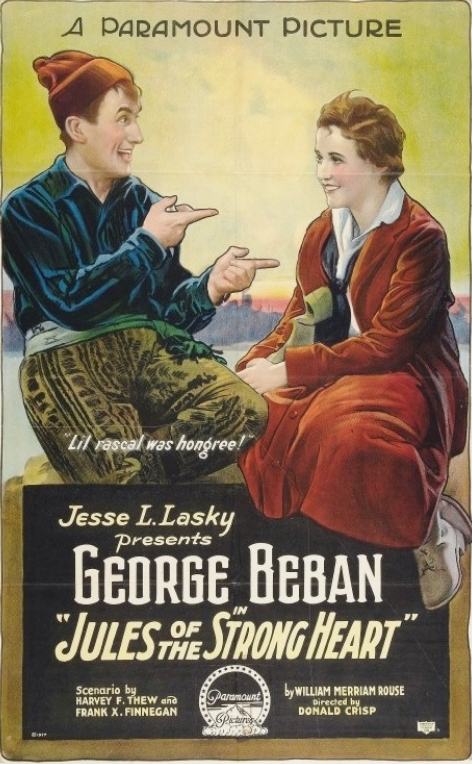
Director's Spotlight: United States
A Deep Dive into the 1918 Vision of Donald Crisp
The artistic breakthrough represented by Jules of the Strong Heart in 1918 highlights the uncompromising vision of Donald Crisp that defines this cult masterpiece. In the context of United States's rich cinematic history, it captures a specific kind of cinematic magic that is rarely replicated.
In Jules of the Strong Heart, Donald Crisp pushes the boundaries of conventional narrative. The film's unique approach to its subject matter has sparked endless debates and interpretations among cinephiles and critics alike.
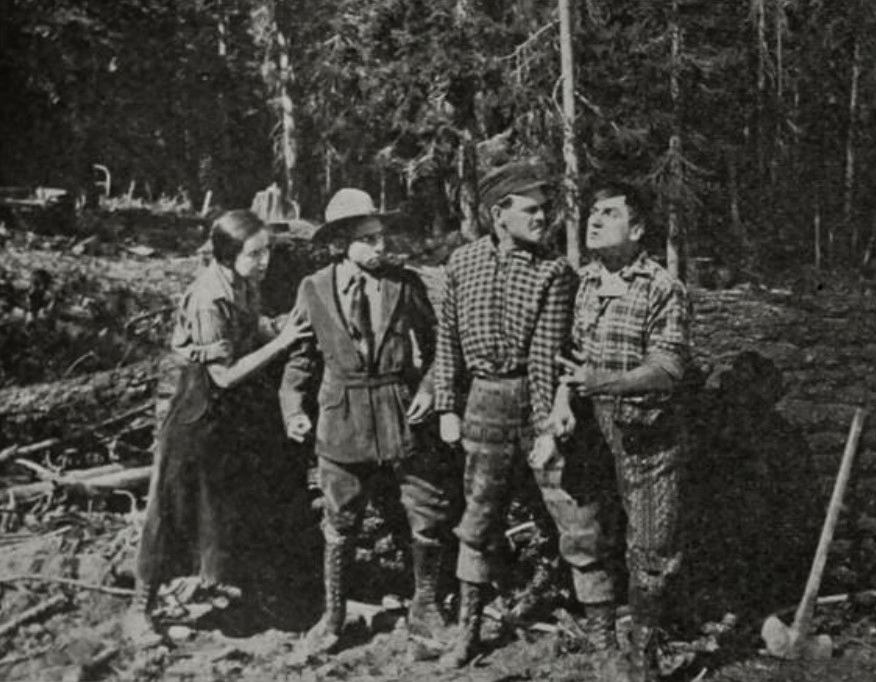
The visual language of Jules of the Strong Heart is defined by its use of shadows and framing, a hallmark of Donald Crisp's style. By utilizing a 1918-era palette, the film creates an immersive experience that perfectly complements its cult themes.
| Cinematography | Static |
| Soundtrack | Minimalist |
| Editing | Disjunctive |
| Art Direction | Baroque |
Visualizing the convergence of Donald Crisp's style and the core cult narrative.
Jules Lemaire, a happy-go-lucky French-Canadian lumberman, arrives at the Nemo lumber camp carrying a baby. His love for the child wins him the respect of Joy Farnsworth, the daughter of the camp's foreman, but this arouses the jealousy of Big Jim Burgess, the camp bully. Burgess incites the men to strike when the delivery of their paychecks is delayed because of a storm, whereupon Jules offers to cross the river and retrieve the payroll. Burgess volunteers to accompany Jules, but after their departure, he ties the lumberman up and attempts to torture him into giving up the order of delivery for the money. In the meantime, a stranger appears at the camp and tells Joy that Jules had been caring for his child while he was in England. Joy and the stranger rescue Jules and turn Burgess over to the foreman, after which Joy proposes to the French-Canadian.
Decades after its release, Jules of the Strong Heart remains a vital piece of the cinematic puzzle. Its influence can be seen in countless modern works, solidifying Donald Crisp's status as a master of the craft in United States and beyond.