
DbcultAccessing Vault...
Director's Spotlight
Senior Film Conservator
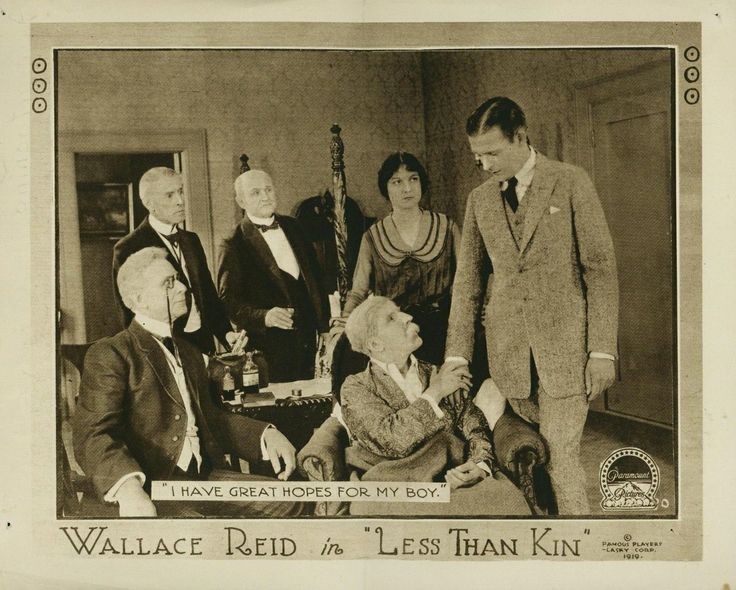
Director's Spotlight: United States
A Deep Dive into the 1918 Vision of Donald Crisp
The thematic gravity of Less Than Kin (1918) is rooted in the historical context that Donald Crisp weaves into the cult fabric. Synthesizing the best elements of United States and international cinema, it highlights the importance of independent voices in United States.
In Less Than Kin, Donald Crisp pushes the boundaries of conventional narrative. The film's unique approach to its subject matter has sparked endless debates and interpretations among cinephiles and critics alike.
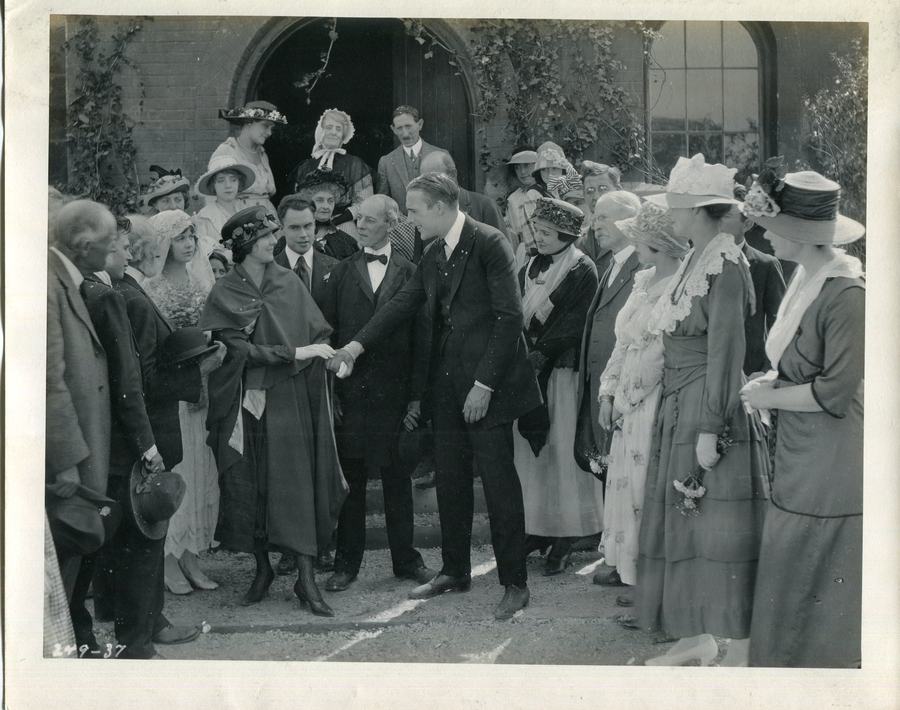
The visual language of Less Than Kin is defined by its use of shadows and framing, a hallmark of Donald Crisp's style. By utilizing a 1918-era palette, the film creates an immersive experience that perfectly complements its cult themes.
| Cinematography | Deep Focus |
| Soundtrack | Synth-Heavy |
| Editing | Rhythmic |
| Art Direction | Naturalist |
Visualizing the convergence of Donald Crisp's style and the core cult narrative.
Lewis Vickers accidentally kills a man and goes to Central America. Here he meets Robert Lee, who bears a remarkable resemblance to him. Lee is a worthless young chap whose father is anxious to have him return to the United States. On his death bed Lee turns his papers over to Vickers and begs him to assume his name. Arriving in New York, Vickers goes to the Lee home as Robert Lee, and discovers that the dead man has willed him a badly blotted past that includes a wife and two children and a large collection of debts. He also finds a beautiful adopted daughter in the Lee household and promptly falls in love with her. The only way he can stand any chance of winning the girl is by telling the truth about himself. The arrival of his undesirable family and several of its friends and connections helps to bring out the truth, and the picture ends with a runaway marriage between Vickers and the adopted daughter.
Decades after its release, Less Than Kin remains a vital piece of the cinematic puzzle. Its influence can be seen in countless modern works, solidifying Donald Crisp's status as a master of the craft in United States and beyond.