
DbcultAccessing Vault...
Director's Spotlight
Senior Film Conservator
Director's Spotlight: United States
A Deep Dive into the 1919 Vision of Donald Crisp
The cult DNA of Something to Do is a reflection of United States's the subversive storytelling techniques employed by Donald Crisp in 1919. Breaking the traditional rules of cult engagement, it leaves an indelible mark on the soul of the viewer.
In Something to Do, Donald Crisp pushes the boundaries of conventional narrative. The film's unique approach to its subject matter has sparked endless debates and interpretations among cinephiles and critics alike.
| Cinematography | Deep Focus |
| Soundtrack | Synth-Heavy |
| Editing | Disjunctive |
| Art Direction | Baroque |
Visualizing the convergence of Donald Crisp's style and the core cult narrative.
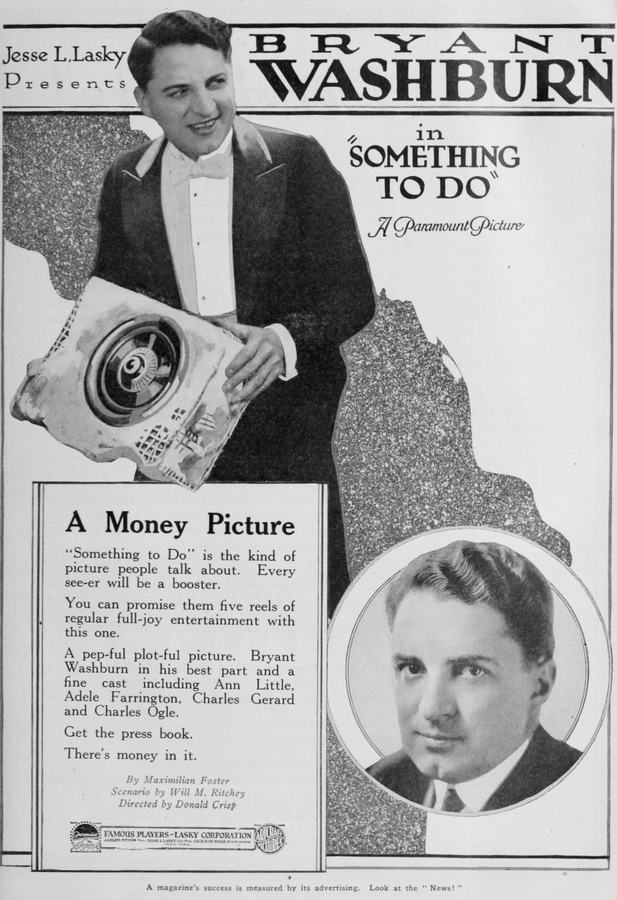
Soon after wealthy idler Jack Merrill is convinced by his doctor to get involved in some activity to fight off his ennui, he discovers that his valet Thompson has been masquerading as Lord Sidney at the home of Mrs. Parkin. Jack goes to a reception there in the guise of a British earl and discovers that most of the guests are also fakes. Mrs. Parkin has put her brother, Mr. Remwick, in an insane asylum in order to gain control of his estate, but Remwick escapes and meets up with his daughter Jane who is Mrs. Parkin's secretary. Jack offers to help them open the safe that contains a receipt implicating asylum professor Frank Blight in the plot. Remwick and Jane drive off to his apartment pursued by Mrs. Parkin and the asylum guards. Jack follows in another car and notifies the police who rescue Remwick. The receipt proves Remwick's sanity and his sister's guilt. Jack wins Jane's affections.
Decades after its release, Something to Do remains a vital piece of the cinematic puzzle. Its influence can be seen in countless modern works, solidifying Donald Crisp's status as a master of the craft in United States and beyond.