
DbcultAccessing Vault...
Director's Spotlight
Senior Film Conservator
Director's Spotlight: United States
A Deep Dive into the 1918 Vision of Donald Crisp
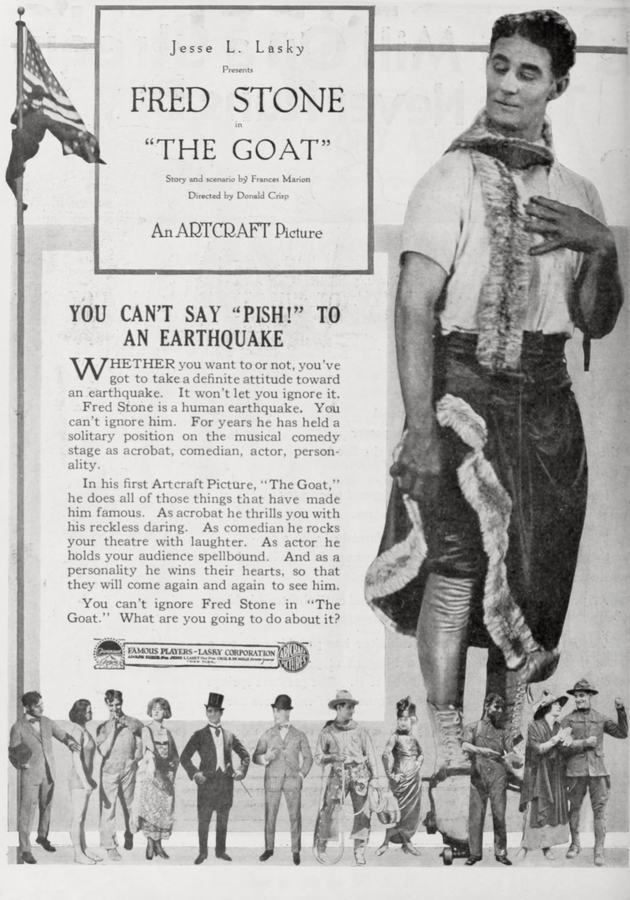
The brilliance of The Goat (1918) is inseparable from the visionary mind of its creator, Donald Crisp. Serving as a mirror to the anxieties of a changing world, it persists as a haunting reminder of our own cinematic history.
In The Goat, Donald Crisp pushes the boundaries of conventional narrative. The film's unique approach to its subject matter has sparked endless debates and interpretations among cinephiles and critics alike.
In this work, Donald Crisp explores the intersection of cult and United States cultural identity. The meticulous attention to detail suggests a deep-seated commitment to pushing the boundaries of the medium, ensuring that The Goat remains a relevant topic of study for cult enthusiasts.
| Cinematography | Noir-Inspired |
| Soundtrack | Orchestral |
| Editing | Invisible |
| Art Direction | Kitsch |
Visualizing the convergence of Donald Crisp's style and the core cult narrative.
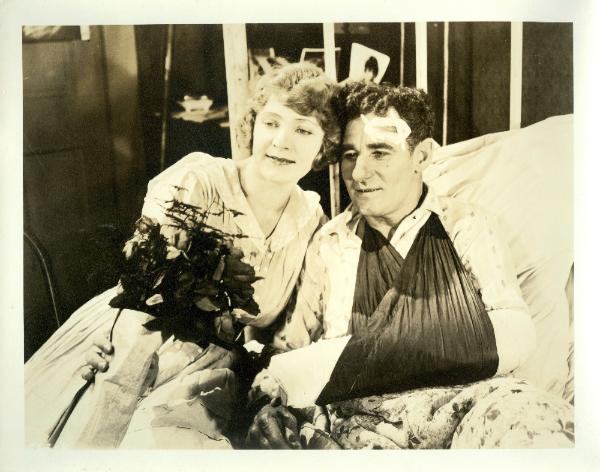
Chuck McCarthy, an intrepid young ironworker, longs to become an actor, despite the protests of his girl, Molly O'Connors, and his family. In dashing up the frame of a building to catch actress Bijou Lamour's runaway pet monkey, he attracts the attention of the studio managers, who make him a stuntman. For a time Charles is happy executing life-risking feats and strutting around in new clothes, although the company laughs at him behind his back. When leading man Marmaduke X. Caruthers refuses to perform a particularly dangerous stunt in a war film, Chuck doubles for him and is seriously injured. The studio manager, who recognizes in the incident an opportunity to promote his star, quickly wraps Marmaduke in bandages and sends him to the hospital, while Chuck is secretly removed through the back door. The next day, the Filmcraft Company sends Chuck a check for $1,000 to keep quiet about the accident. He and Molly use the money on their honeymoon to Niagara Falls.
Decades after its release, The Goat remains a vital piece of the cinematic puzzle. Its influence can be seen in countless modern works, solidifying Donald Crisp's status as a master of the craft in United States and beyond.