
DbcultAccessing Vault...
Director's Spotlight
Senior Film Conservator
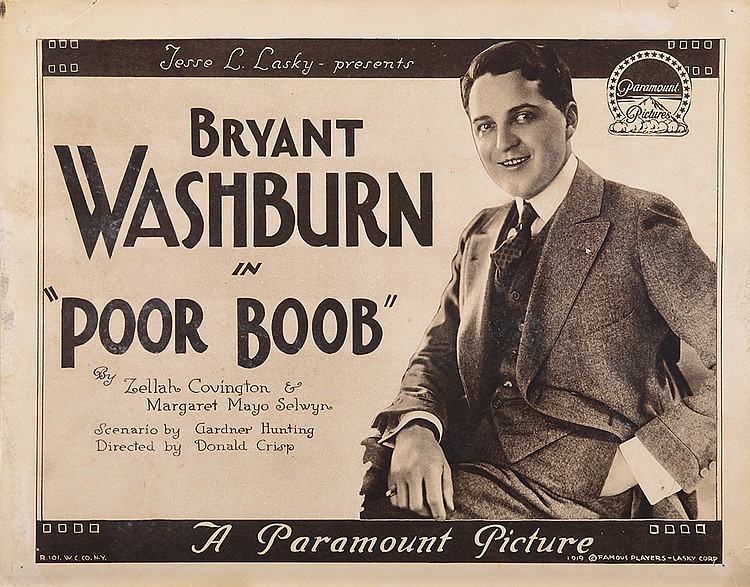
Director's Spotlight: United States
A Deep Dive into the 1919 Vision of Donald Crisp
The brilliance of The Poor Boob (1919) is inseparable from the visionary mind of its creator, Donald Crisp. Serving as a mirror to the anxieties of a changing world, it persists as a haunting reminder of our own cinematic history.
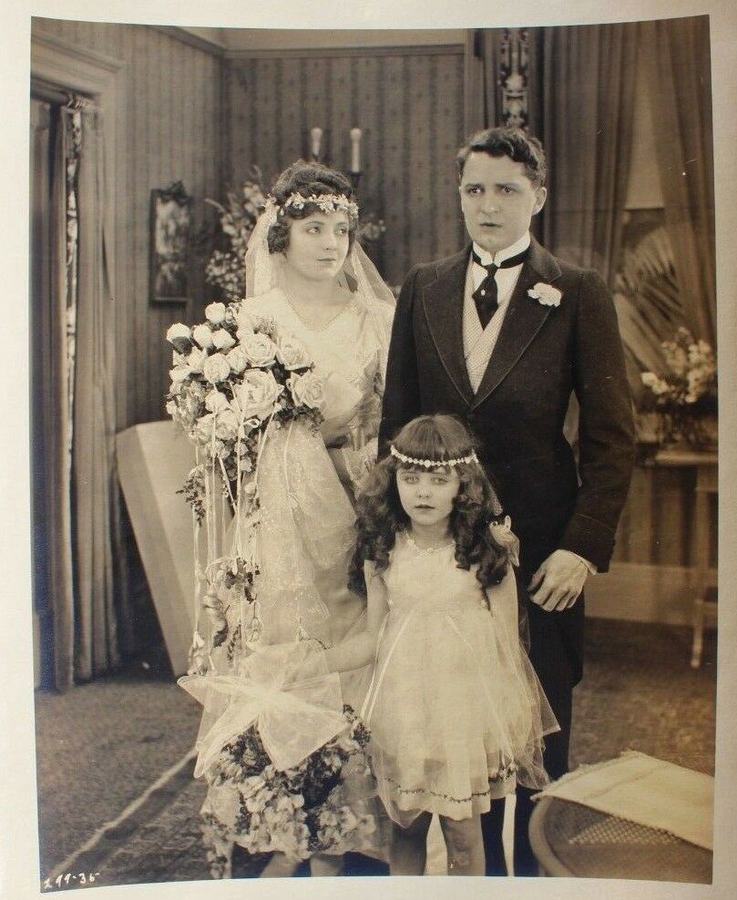
In The Poor Boob, Donald Crisp pushes the boundaries of conventional narrative. The film's unique approach to its subject matter has sparked endless debates and interpretations among cinephiles and critics alike.
| Cinematography | Handheld |
| Soundtrack | Minimalist |
| Editing | Slow-Burn |
| Art Direction | Brutalist |
Visualizing the convergence of Donald Crisp's style and the core cult narrative.
Self-effacing Simpson Hightower leaves his small village after he loses his father's canning factory to Stephen Douglas, who also wins Simpson's plump girlfriend Tiny. Simpson then goes to work in a New York provisions office along with stenographer Hope and office boy Jimmy. Hope and Jimmy scheme to introduce Simpson as a silent partner when the Danish consul proposes a large contract. After a series of errors, Simpson is discharged and persuaded by his friends to return to his home town posing as a successful businessman accompanied by his secretary "Pep" and valet Jimmy. With their help, Simpson manages to get the Danish contract and buy his factory back. He also outgrows his love for Tiny, who has gained even more weight, and recognizes his love for "Pep."
Decades after its release, The Poor Boob remains a vital piece of the cinematic puzzle. Its influence can be seen in countless modern works, solidifying Donald Crisp's status as a master of the craft in United States and beyond.