
DbcultAccessing Vault...
Director's Spotlight
Senior Film Conservator
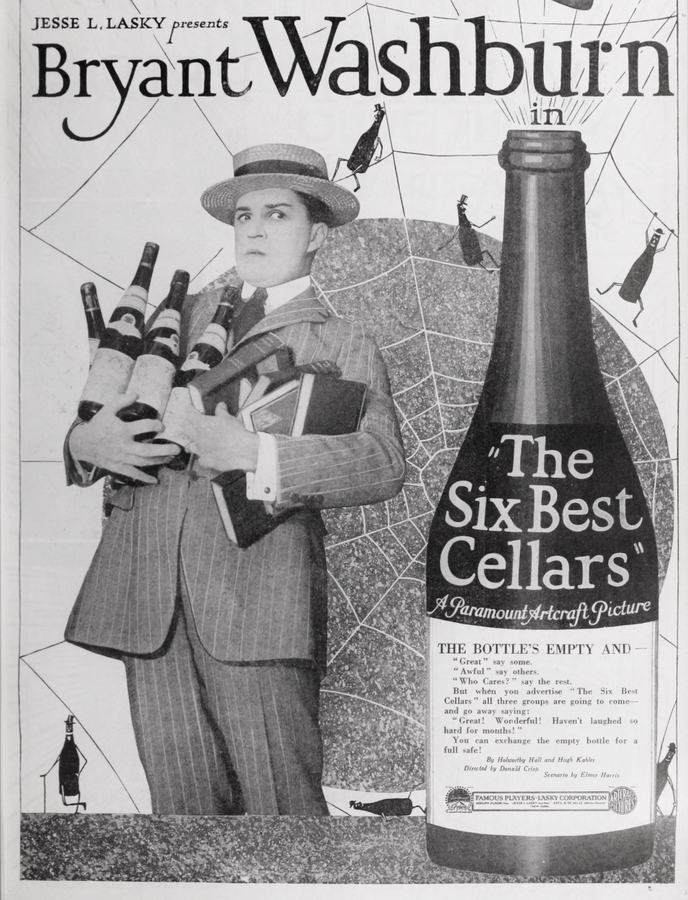
Director's Spotlight: United States
A Deep Dive into the 1920 Vision of Donald Crisp
The enduring fascination with The Six Best Cellars is a testament to the artistic risks taken by Donald Crisp that eventually paid off. Challenging the viewer to find meaning in the Comedy shadows, it reminds us of the fragility and beauty of the 1920s.
In The Six Best Cellars, Donald Crisp pushes the boundaries of conventional narrative. The film's unique approach to its subject matter has sparked endless debates and interpretations among cinephiles and critics alike.
While deeply rooted in United States, The Six Best Cellars has achieved a global reach, influencing directors from various backgrounds. Its ability to translate Comedy tropes into a universal cinematic language is why it remains a cult staple decades after its 1920 release.
| Cinematography | Handheld |
| Soundtrack | Experimental |
| Editing | Elliptical |
| Art Direction | Expressionist |
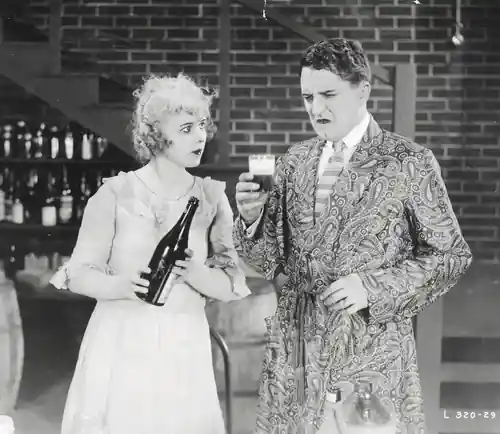
Visualizing the convergence of Donald Crisp's style and the core Comedy narrative.
Henry Carpenter and his wife Millicent are the envy of their exclusive suburban set because of their abundant wine cellar, a blessing in the face of the recent prohibition against alcohol initiated by the Volstead Act. In reality, Henry is down to his last few bottles, and, faced with an impending dinner party, he decides to save face by denouncing the evils of drink. His impassioned speech earns him the support of the Prohibition party for a Congressional seat. Henry is relishing his popularity when his aunt discovers twenty-one cases of rare wine in the cellar, forcing the candidate to choose between political and social success. In despair, he asks the audience viewing the film, "What would you do?"
Decades after its release, The Six Best Cellars remains a vital piece of the cinematic puzzle. Its influence can be seen in countless modern works, solidifying Donald Crisp's status as a master of the craft in United States and beyond.