
DbcultAccessing Vault...
Director's Spotlight
Senior Film Conservator
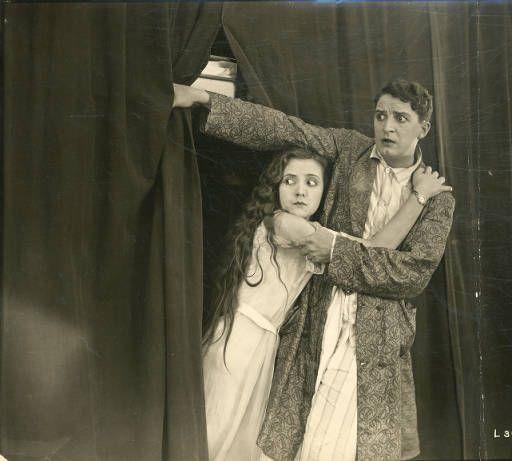
Director's Spotlight: United States
A Deep Dive into the 1919 Vision of Donald Crisp
When we examine the cinematic landscape of United States, Why Smith Left Home emerges as a landmark work of the enduring legacy of Donald Crisp's artistic contribution to the genre. Through a lens of existential fatalism and cult tropes, it captures a specific kind of cinematic magic that is rarely replicated.
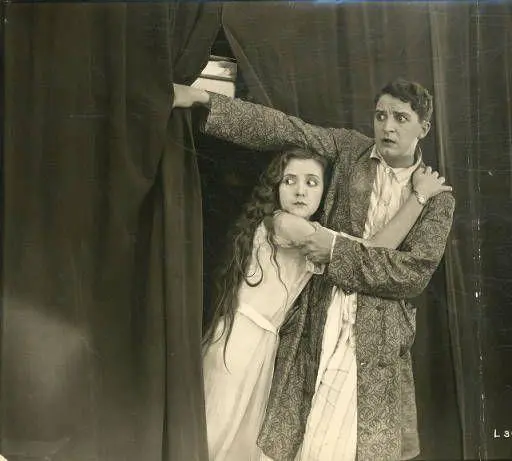
In Why Smith Left Home, Donald Crisp pushes the boundaries of conventional narrative. The film's unique approach to its subject matter has sparked endless debates and interpretations among cinephiles and critics alike.
| Cinematography | Handheld |
| Soundtrack | Diegetic |
| Editing | Rhythmic |
| Art Direction | Naturalist |
Visualizing the convergence of Donald Crisp's style and the core cult narrative.
John Brown Smith and Marian elope suddenly because her Aunt Mary disapproves of Smith. The couple rush to the train to honeymoon at their friend Bob White's bungalow at Loon Lake, but a melange of forces prevent Smith from receiving a first kiss from his bride. A train wreck, a country hotel fire, the sudden appearance of Aunt Mary and The General, and a storm ruin their plans. Then, when Julie, a scheming maid compromises the innocent Smith, Marian decides to return home with her aunt and uncle. Smith then kidnaps his wife back to their honeymoon retreat, but an earthquake ensues. Julie finally confesses her guilt, and Smith succeeds in the long-awaited kiss.
Decades after its release, Why Smith Left Home remains a vital piece of the cinematic puzzle. Its influence can be seen in countless modern works, solidifying Donald Crisp's status as a master of the craft in United States and beyond.