
DbcultAccessing Vault...
Director's Spotlight
Senior Film Conservator
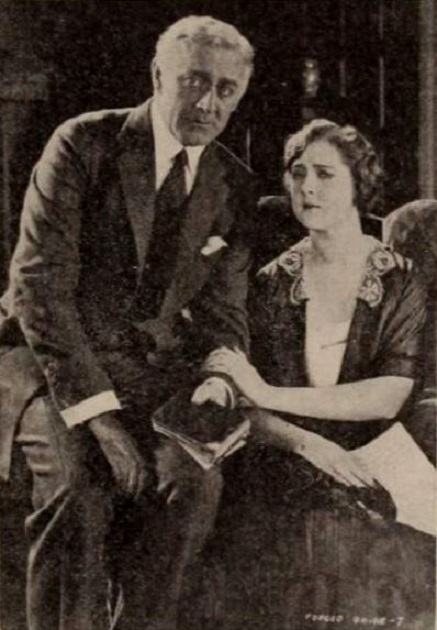
Director's Spotlight: United States
A Deep Dive into the 1920 Vision of Douglas Gerrard
As we revisit the 1920 masterpiece The Forged Bride, we are struck by the atmospheric immersion that Douglas Gerrard achieves throughout The Forged Bride. Exploring the nuances of the human condition with Crime flair, it solidifies Douglas Gerrard's reputation as a master of the craft.
In The Forged Bride, Douglas Gerrard pushes the boundaries of conventional narrative. The film's unique approach to its subject matter has sparked endless debates and interpretations among cinephiles and critics alike.
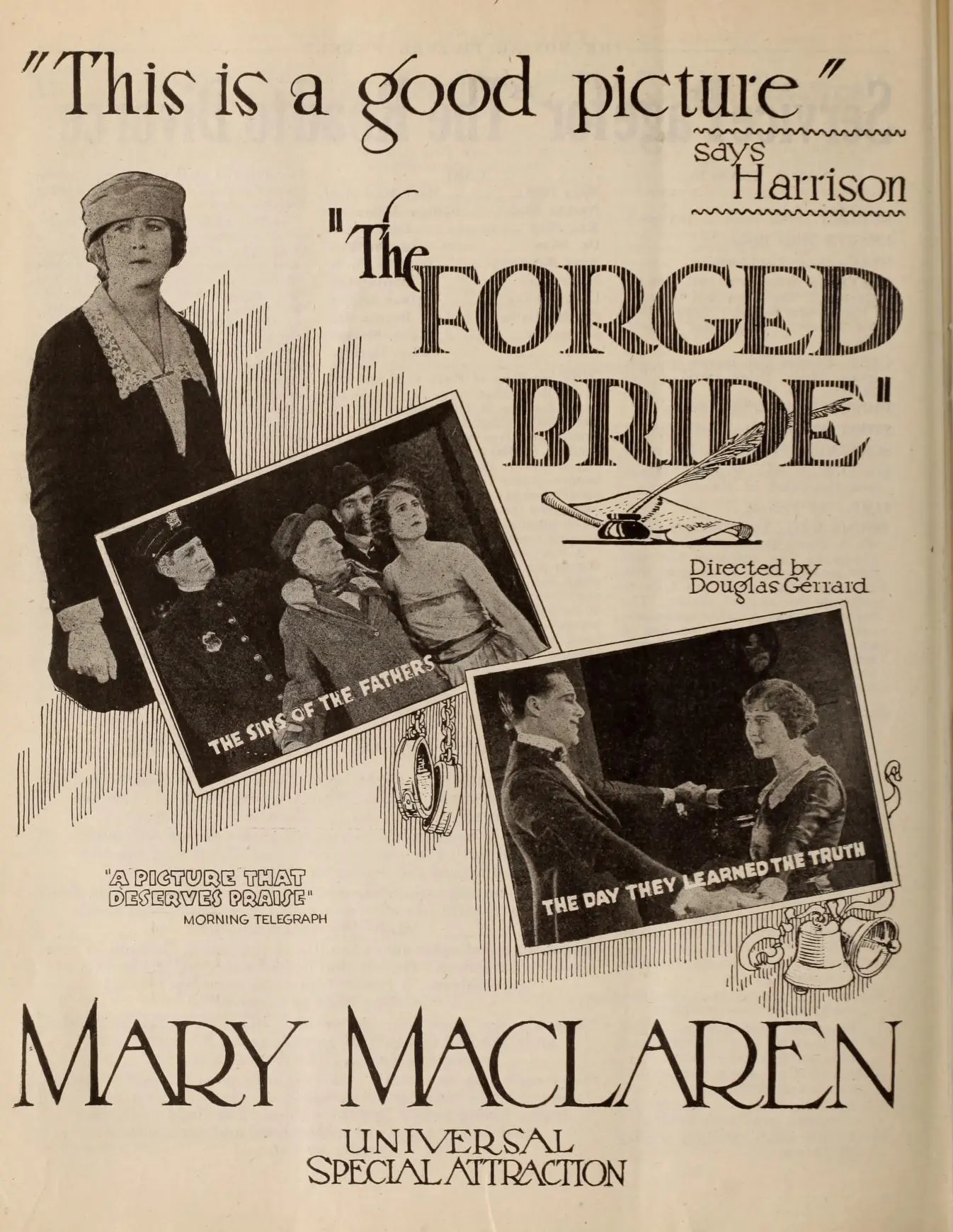
The visual language of The Forged Bride is defined by its use of shadows and framing, a hallmark of Douglas Gerrard's style. By utilizing a 1920-era palette, the film creates an immersive experience that perfectly complements its Crime themes.
| Cinematography | Noir-Inspired |
| Soundtrack | Synth-Heavy |
| Editing | Rhythmic |
| Art Direction | Naturalist |
Visualizing the convergence of Douglas Gerrard's style and the core Crime narrative.
Professional forger Bill Butters realizes one day that the police care closing in on him, and convinces his daughter Peggy to flee. He is soon arrested, tried and convicted, and sentenced by prison by Judge Farrell. Meanwhile, Peggy gets a job at a beach resort and meets wealthy Dick Van Courtland, who is actually the ward of Judge Farrell. She marries Van Courtland, but a jealous rival determines to break up the marriage, and Bill gets wind of it in prison. Complications ensue.
Decades after its release, The Forged Bride remains a vital piece of the cinematic puzzle. Its influence can be seen in countless modern works, solidifying Douglas Gerrard's status as a master of the craft in United States and beyond.