
DbcultAccessing Vault...
Director's Spotlight
Senior Film Conservator
Director's Spotlight: United States
A Deep Dive into the 1914 Vision of D.W. Griffith
The thematic gravity of The Battle of the Sexes (1914) is rooted in the artistic risks taken by D.W. Griffith that eventually paid off. Defining a new era of United States artistic expression, it demands to be seen by anyone who cares about the art of film.
In The Battle of the Sexes, D.W. Griffith pushes the boundaries of conventional narrative. The film's unique approach to its subject matter has sparked endless debates and interpretations among cinephiles and critics alike.
To fully appreciate The Battle of the Sexes, one must consider the cinematic climate of 1914. During this period, United States was undergoing significant artistic shifts, and D.W. Griffith was at the forefront of this cult movement, often challenging established norms.
| Cinematography | Deep Focus |
| Soundtrack | Experimental |
| Editing | Invisible |
| Art Direction | Kitsch |
Visualizing the convergence of D.W. Griffith's style and the core cult narrative.
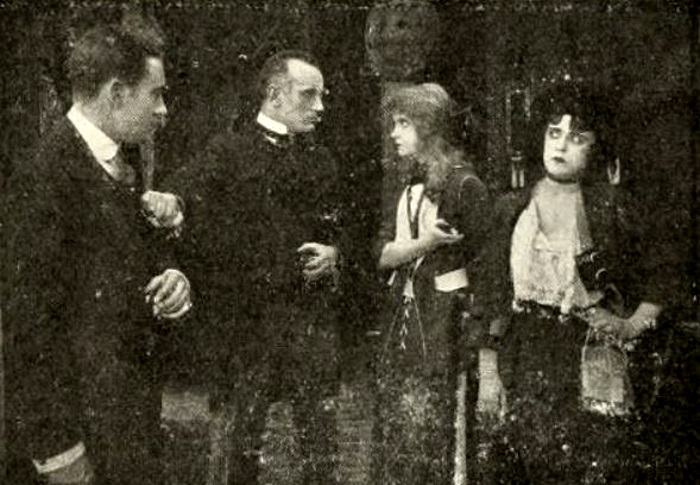
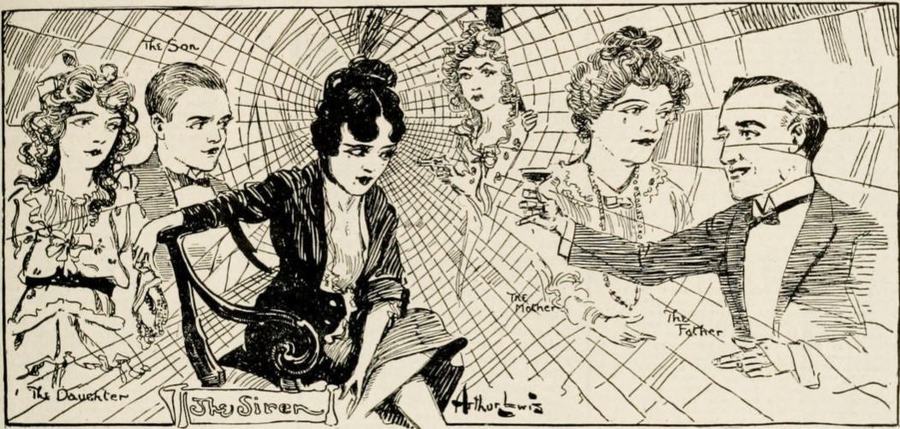
Frank Andrews is a successful businessman. He has always found pride and joy in the company of his wife, son and daughter. He suddenly finds himself enthralled by the advances of a gay young woman siren, who lives in the same apartment house as he does. So marked an influence does she have over him as time progresses that at last he quite forgets his home ties, neglects his family, and goes the way of many other men who have forgotten the meaning of paternity and blood ties. The story is advanced through many scenes enacted with the accompanying notes of New York's night life, and the denouement comes when the faithful wife discovers her husband's infidelity. At this time the mother's mind nearly loses balance, while Jane, the beautiful daughter, crazed by the grief of her mother, determines to take part in the tragedy. With revolver in hand she steals up to the apartment of the woman, but her frail nature is overcome by the temperamental anger of the woman and her mission fails. However, the errand is not fraught with failure for the father, coming in at this moment, finds his daughter being made love to by the sweetheart of the young woman, and realizes the road upon which he has traveled. When he confronts his daughter and says, "You, my daughter, what are you doing here?" The daughter answers, "My father, what are you doing here?" The realization is brought home to the father's mind that the law of moral ethics that governs a woman's life necessarily governs that of wan as well. Reformation comes in his character. He takes his daughter away with him and together they go back to their home of happiness and content.
Decades after its release, The Battle of the Sexes remains a vital piece of the cinematic puzzle. Its influence can be seen in countless modern works, solidifying D.W. Griffith's status as a master of the craft in United States and beyond.