
DbcultAccessing Vault...
Director's Spotlight
Senior Film Conservator
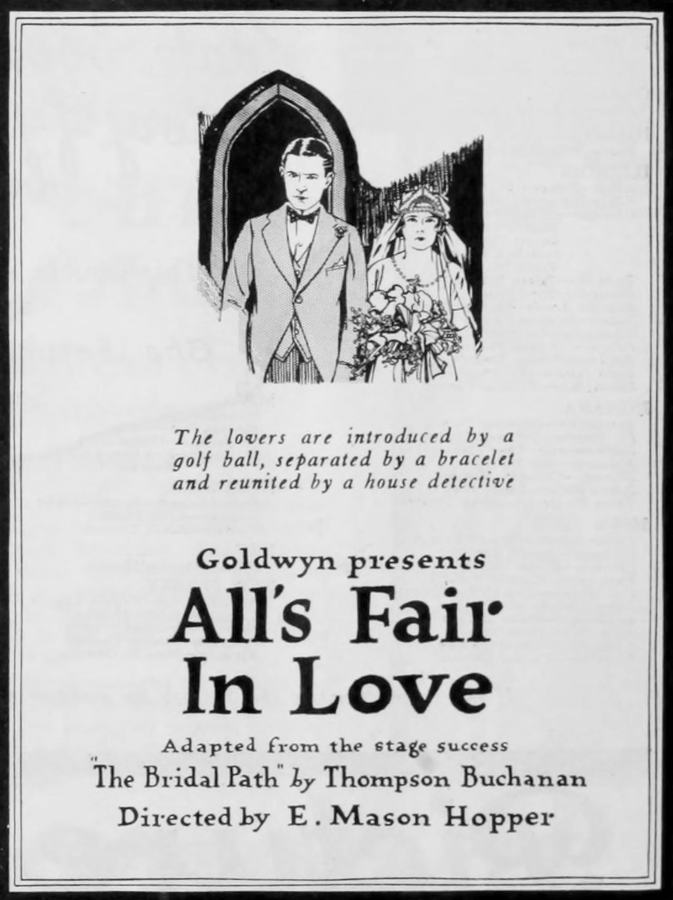
Director's Spotlight: United States
A Deep Dive into the 1921 Vision of E. Mason Hopper
Peeling back the layers of E. Mason Hopper's All's Fair in Love exposes the technical innovation that E. Mason Hopper introduced to the Romance format. Driven by an uncompromising commitment to Romance excellence, it stands as the definitive 1921 statement on Romance identity.
In All's Fair in Love, E. Mason Hopper pushes the boundaries of conventional narrative. The film's unique approach to its subject matter has sparked endless debates and interpretations among cinephiles and critics alike.
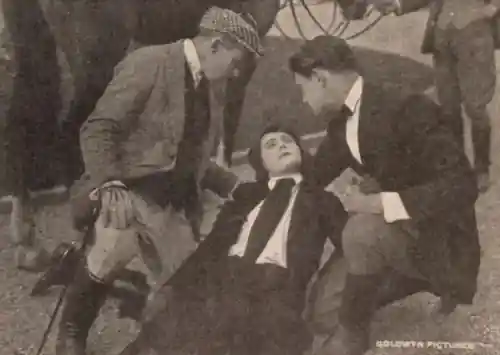
The visual language of All's Fair in Love is defined by its use of shadows and framing, a hallmark of E. Mason Hopper's style. By utilizing a 1921-era palette, the film creates an immersive experience that perfectly complements its Romance themes.
| Cinematography | Handheld |
| Soundtrack | Orchestral |
| Editing | Slow-Burn |
| Art Direction | Brutalist |
Visualizing the convergence of E. Mason Hopper's style and the core Romance narrative.
While golfing, Natalie Marshall meets and falls in love with Bobby Cameron, and after a brief courtship they are married. Just as they are about to embark on their honeymoon, Vera, a young vamp with designs on Bobby, presents Natalie with a bracelet and an accompanying note and inscription that arouse the wife's jealousy and cause an immediate break between the couple. Following a hysterical exhibition and her refusal to see her husband, she determines to win him back by employing Vera's siren methods. She succeeds, but Bobby insists that he wants a real wife, not a vamp.
Decades after its release, All's Fair in Love remains a vital piece of the cinematic puzzle. Its influence can be seen in countless modern works, solidifying E. Mason Hopper's status as a master of the craft in United States and beyond.