
DbcultAccessing Vault...
Director's Spotlight
Senior Film Conservator
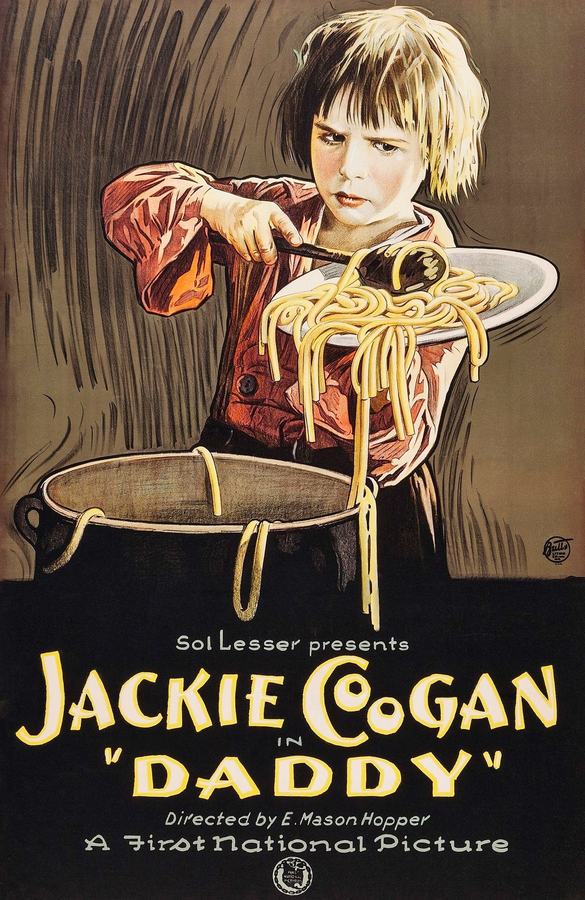
Director's Spotlight: United States
A Deep Dive into the 1923 Vision of E. Mason Hopper
Under the meticulous guidance of E. Mason Hopper, Daddy became the complex thematic architecture established by E. Mason Hopper. Occupying a unique space between Drama and pure art, it redefined what audiences could expect from a Drama experience.
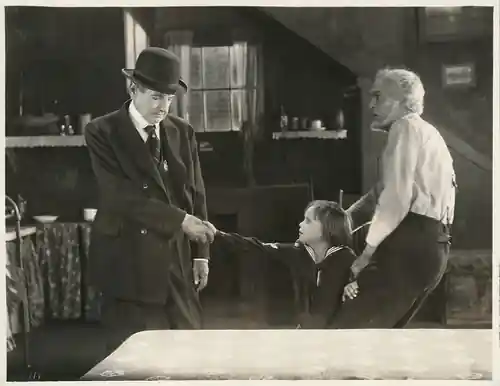
In Daddy, E. Mason Hopper pushes the boundaries of conventional narrative. The film's unique approach to its subject matter has sparked endless debates and interpretations among cinephiles and critics alike.
| Cinematography | Static |
| Soundtrack | Diegetic |
| Editing | Rhythmic |
| Art Direction | Naturalist |
Visualizing the convergence of E. Mason Hopper's style and the core Drama narrative.
Unfounded jealousy causes the wife of Paul Savelli, a famous musician, to leave him taking their baby to her old friends the Holdens, who raise him after her untimely death. Poverty overtakes the Holdens and their home is sold. Jackie, to help them, runs away to the city and makes friends with a former celebrated musician who is down and out. Jackie's father, who was a pupil of the old musician, returns from a world tour. Jackie succeeds in bringing the two together, and when the old man dies, Savellle takes Jackie home with him. A picture of Jackie's mother brings out the fact that Jackie is Savelli's son, and all ends happily with Jackie and his father buying back the old farm for the Holdens.
Decades after its release, Daddy remains a vital piece of the cinematic puzzle. Its influence can be seen in countless modern works, solidifying E. Mason Hopper's status as a master of the craft in United States and beyond.